Today in News History
On July 8, several notable moments in the history of News stand out. In 1776, Church bells (possibly including the Liberty Bell) are rung after John Nixon delivers the first public reading of the Declaration of Independence of the United States. In 1889, The first issue of The Wall Street Journal is published. In 1893, R. Carlyle Buley, American historian and author (died 1968) was born. In 1917, J. F. Powers, American novelist and short story writer (died 1999) was born. In 1942, Phil Gramm, American economist and politician was born. In 1956, Giovanni Papini, Italian journalist, author, and critic (born 1881) passed away. In 1957, Aleksandr Gurnov, Russian journalist and author was born. In 1961, Ces Drilon, Filipino journalist was born. In 1982, A failed assassination attempt against Iraqi president Saddam Hussein results in the Dujail Massacre over the next several months. In 2014, Plínio de Arruda Sampaio, Brazilian lawyer and politician (born 1930) passed away. Together, these milestones provide historical context for today's news news and ongoing narratives.
How Politico got the Platner story that the New York Times missed
Narrative Analysis: Name Calling
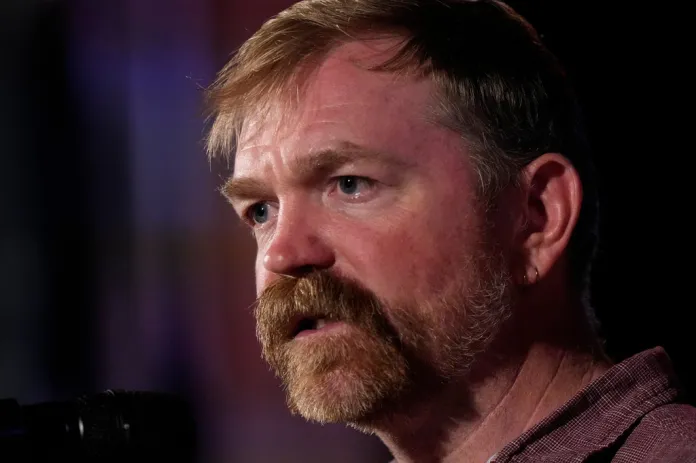
Graham Platner is a serial philanderer with a drinking problem and a long record of obscene and misogynistic public comments. That made it unsurprising when the New York Times gave his ex-girlfriends space to describe his abuse. But Platner is also the Democratic nominee for a competitive U.S. Senate seat, and his top competition has []
Narrative Intelligence Brief
This article was published by Washington Examiner, a source frequently categorized with a lean right bias based in United States of America. Our narrative intelligence engine continuously monitors coverage from this outlet to track framing, bias, and rhetorical patterns. In this specific piece, our systems detected the potential use of the "Name Calling" technique. This narrative approach is often used to shape reader perception by highlighting specific emotional or rhetorical angles. By understanding the editorial perspective of Washington Examiner, readers can better contextualize the information presented and compare it across our broader media matrix to find the real narrative.
More from Washington Examiner
July 8, 2026
Who could run to replace Graham Platner?
July 8, 2026
Spencer Pratt launches WAR Foundation after Los Angeles mayoral defeat
July 8, 2026
Donald Trump sparks intrigue by ditching new Qatari jet for old Air Force One
July 8, 2026
Waymo to offer driverless rides in four more US cities
July 8, 2026
What are Trump’s options now that he’s said the ceasefire is over?
Reliability Insights
P
Technique: Name Calling
System analysis detected use of specific narrative techniques in this piece.Analysis Methodology
This narrative analysis was generated using the CoDataLab Global Intelligence Engine. Our proprietary AI scans thousands of cross-border sources to identify sentiment patterns, framing techniques, and potential media bias. While AI provides the data-driven foundation, our objective is to empower readers with additional context beyond the standard headline.The content displayed above is a structured summary designed for rapid information processing. For the full original report, please visit the source outlet.More Coverage
Discussion
"cup"
French Soccer Star Kylian Mbappé Perfectly Rips Paraguayan Senator After Her Vile Racist Post Attacking Him

Dana White Stars In History’s Worst Truck Ad

Egypt press FIFA complaint against referee after World Cup loss