
Today in News History
On July 12, several notable moments in the history of News stand out. In 70, The armies of Titus attack the walls of Jerusalem after a six-month siege. Three days later they breach the walls, which enables the army to destroy the Second Temple. In 1920, The Soviet-Lithuanian Peace Treaty is signed, by which Soviet Russia recognizes the independence of Lithuania. In 1943, World War II: Battle of Kursk: German and Soviet forces engage in the Battle of Prokhorovka, one of the largest armored engagements of all time. In 1948, Elias Khoury, Lebanese intellectual, playwright and novelist (died 2024) was born. In 1961, Indian city Pune floods due to failure of the Khadakwasla and Panshet dams, killing at least two thousand people. In 1995, Chinese seismologists successfully predict the 1995 Myanmar-China earthquake, reducing the number of casualties to 11. In 2006, The 2006 Lebanon War begins. In 2012, Syrian Civil War: Government forces target the homes of rebels and activists in Tremseh and kill anywhere between 68 and 150 people. In 2012, A tank truck explosion kills more than 100 people in Okobie, Nigeria. In 2014, Jamil Ahmad, Pakistani author (born 1931) passed away. Together, these milestones provide historical context for today's news news and ongoing narratives.
How decades of conflict cost South Caucasus its future
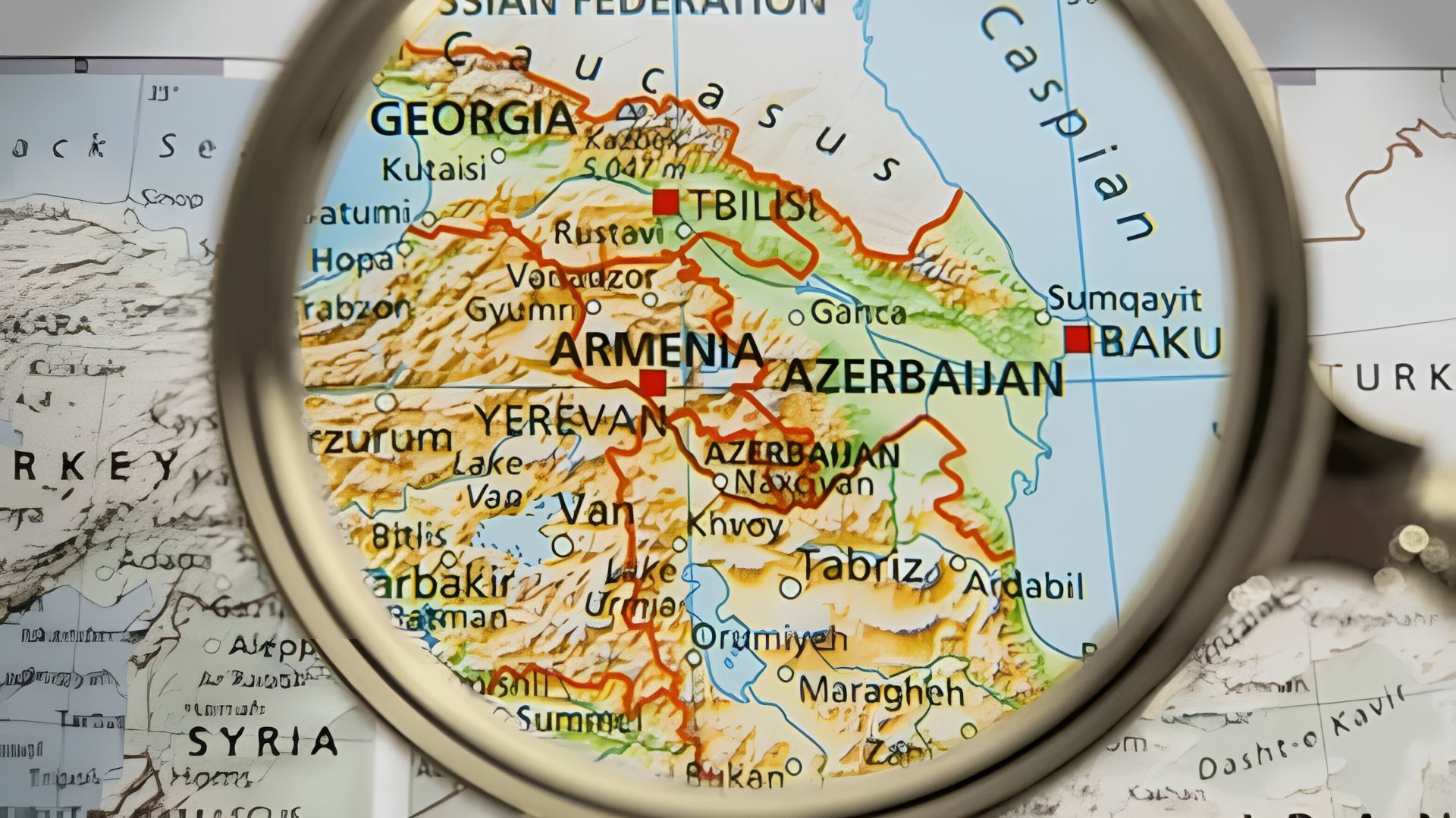
The South Caucasus is a region that inherently possesses all the necessary ingredients to emulate the prosperity, stability, and high living standards of the Baltic states, the Persian Gulf, or even Scandinavia. Geographically blessed as a vital crossroads between East and West, and endowed with rich natural resources, this pivotal land should logically support a population thriving in wealth and security.
Narrative Intelligence Brief
This article was published by AzerNews, a source frequently categorized with a Unknown bias based in Azerbaijan. Our narrative intelligence engine continuously monitors coverage from this outlet to track framing, bias, and rhetorical patterns. Our initial algorithmic scan of this specific piece did not flag high-confidence rhetorical techniques, suggesting a generally straightforward reporting style or neutral framing. By understanding the editorial perspective of AzerNews, readers can better contextualize the information presented and compare it across our broader media matrix to find the real narrative.
More from AzerNews
July 12, 2026
Azerbaijan claims European Cup gold as Ruslan Lunyov tops qualification
July 12, 2026
Azerbaijan wins 12 medals at SCALABISCUP International Gymnastics Tournament
July 12, 2026
Ukraine says drone strikes disrupt Russian shipping in Sea of Azov
July 12, 2026
Azerbaijan's Haji Karimov clinches U20 European wrestling gold with dominant 10-0 final win
July 12, 2026
Georgia opens Its first Human Milk Bank in Batumi to support high-risk newborns
Analysis Methodology
This narrative analysis was generated using the CoDataLab Global Intelligence Engine. Our proprietary AI scans thousands of cross-border sources to identify sentiment patterns, framing techniques, and potential media bias. While AI provides the data-driven foundation, our objective is to empower readers with additional context beyond the standard headline.The content displayed above is a structured summary designed for rapid information processing. For the full original report, please visit the source outlet.More Coverage
Discussion
"cup semifinal"
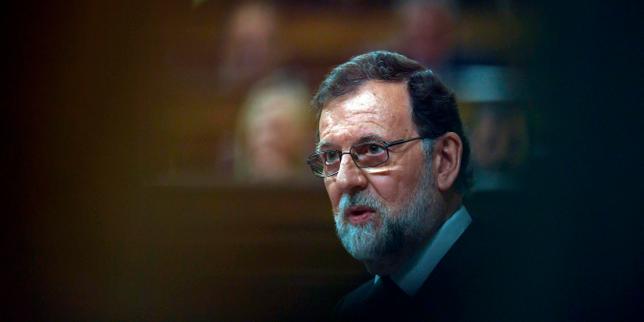
Former Spanish PM Rajoy makes racist remarks about France's football team
[Photo] JUST IN: 🇦🇷 Argentina officially advances to the FIFA World Cup semifinal after defeat [...]
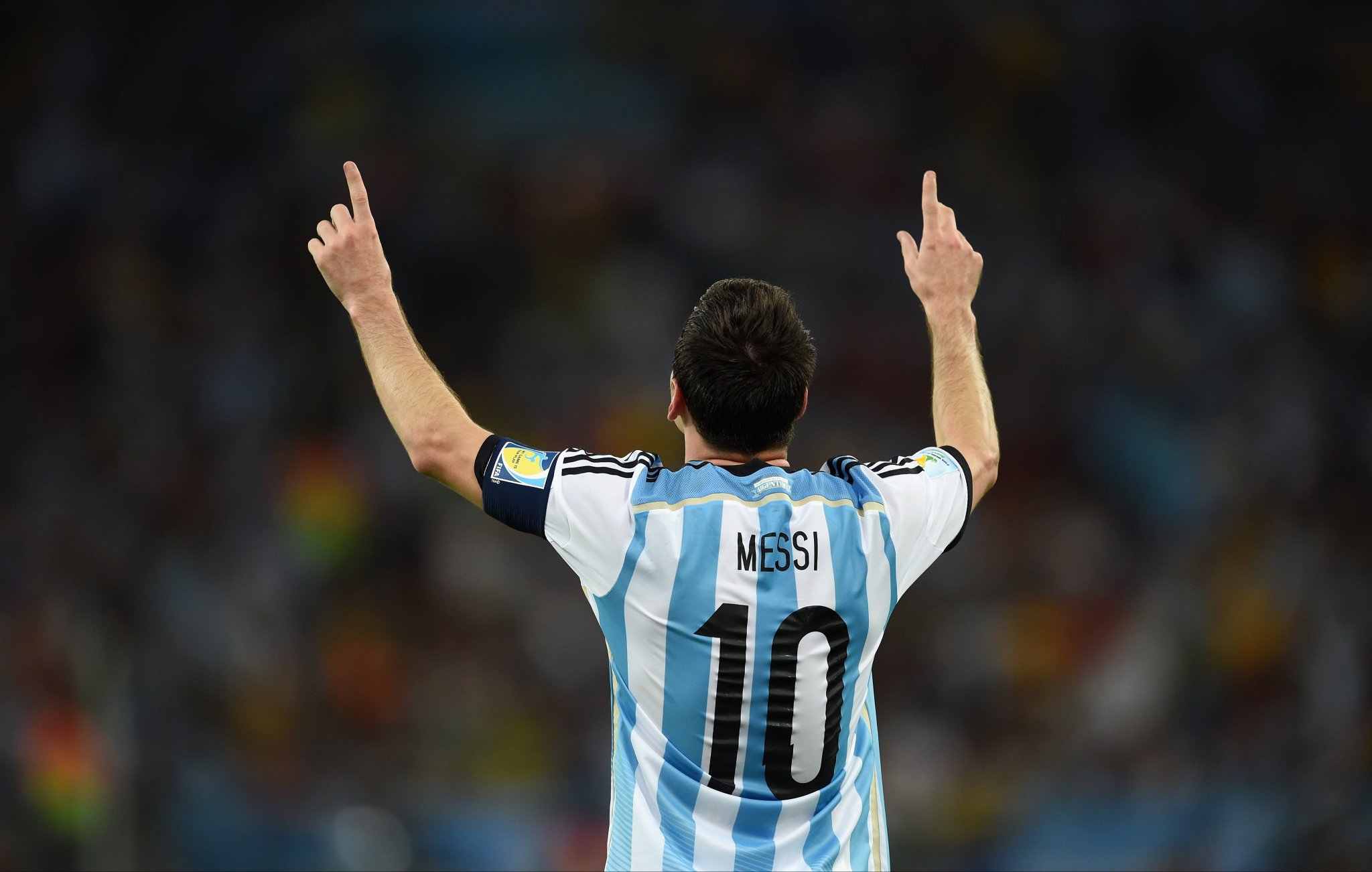
Argentina's hero: "We are just two steps away from the goal"

How other outlets are covering this story
Compare narratives across 6 related reports from 6 sources. Real Narrative News aggregates the coverage spectrum so you can see who emphasises what — bias tags reflect the outlet, not the story.
Coverage bias distribution
6 sources
Left 17%
Center 17%
Right 67%
Modern Diplomacy
· Jul 5, 2026
How Ukraine Became Europe’s Most Important — and Ignored Defense Lesson
Europe’s defense transformation is not a spending problem that more money will solve, rather it’s a doctrinal crisis, and the gap between the warfare Europe has been preparing for and the warfare Ukraine has demonstrated reveals that the continent’s most urgent investment is not in platforms but in fundamentally rethinking how its armies plan, target, [] The post How Ukraine Became Europe’s Most Important — and Ignored Defense Lesson appeared first on Modern Diplomacy.
TRT World
· Jul 7, 2026
US president demands higher Nato defence budget
Russia's war on Ukraine has cost hundreds of thousands of lives, but as the conflict unfolds, both the Russian and US presidents have been placing pressure on Nato. Putin's war of choice has highlighted vulnerabilities within the alliance, while Trump keeps telling Europe to step up to the plate. Jon Brain reports.
TASS
· Jul 11, 2026
NATO sees no evidence of Russia preparing to attack Baltic states — The Times
According to the newspaper, the increase in the West’s defense spending rests on the notion that Russia could attack NATO’s eastern flank by 2030
South China Morning Post
· Jun 26, 2026
Asia defence spending
–
Proto Thema - English
· Jul 6, 2026
NATO: Defence spending, burden-sharing and support for Ukraine at the centre of the Ankara Summit
Member state defence spending, the gradual redistribution of U.S. military forces in Europe, continued military support for Ukraine, and strengthening the Alliance’s defence industrial base are expected to dominate the NATO Summit, which will take place in Ankara on July 7 and 8, according to diplomatic sources The post NATO: Defence spending, burden-sharing and support for Ukraine at the centre of the Ankara Summit appeared first on ProtoThema English.
Trend News Agency
· Jun 23, 2026
Middle Corridor through Caucasus key to Europe’s trade and energy future - Marta Kos
Middle Corridor through Caucasus key to Europe’s trade and energy future - Marta Kos
Topics:
Related coverage for "How decades of conflict cost South Caucasus its future": Modern Diplomacy — How Ukraine Became Europe’s Most Important — and Ignored Defense Lesson. TRT World — US president demands higher Nato defence budget. TASS — NATO sees no evidence of Russia preparing to attack Baltic states — The Times. South China Morning Post — Asia defence spending. Proto Thema - English — NATO: Defence spending, burden-sharing and support for Ukraine at the centre of the Ankara Summit. Trend News Agency — Middle Corridor through Caucasus key to Europe’s trade and energy future - Marta Kos