
Today in News History
On July 13, several notable moments in the history of News stand out. In 1858, Stewart Culin, American ethnographer and author (died 1929) was born. In 1896, August Kekulé, German chemist and academic (born 1829) passed away. In 1913, Dave Garroway, American journalist and television personality (died 1982) was born. In 1930, Sam Greenlee, American author and poet (died 2014) was born. In 1956, The Dartmouth workshop is the first conference on artificial intelligence. In 1974, Patrick Blackett, Baron Blackett, English physicist and academic, Nobel Prize laureate (born 1897) passed away. In 2005, Robert E. Ogren, American zoologist (born 1922) passed away. In 2014, Alfred de Grazia, American political scientist, author, and academic (born 1919) passed away. In 2015, Martin Litchfield West, English scholar, author, and academic (born 1927) passed away. In 2020, Grant Imahara, American electrical engineer, roboticist, and television host (born 1970) passed away. Together, these milestones provide historical context for today's news news and ongoing narratives.
How abolishing the NIH would weaken American science
Narrative Analysis: Name Calling
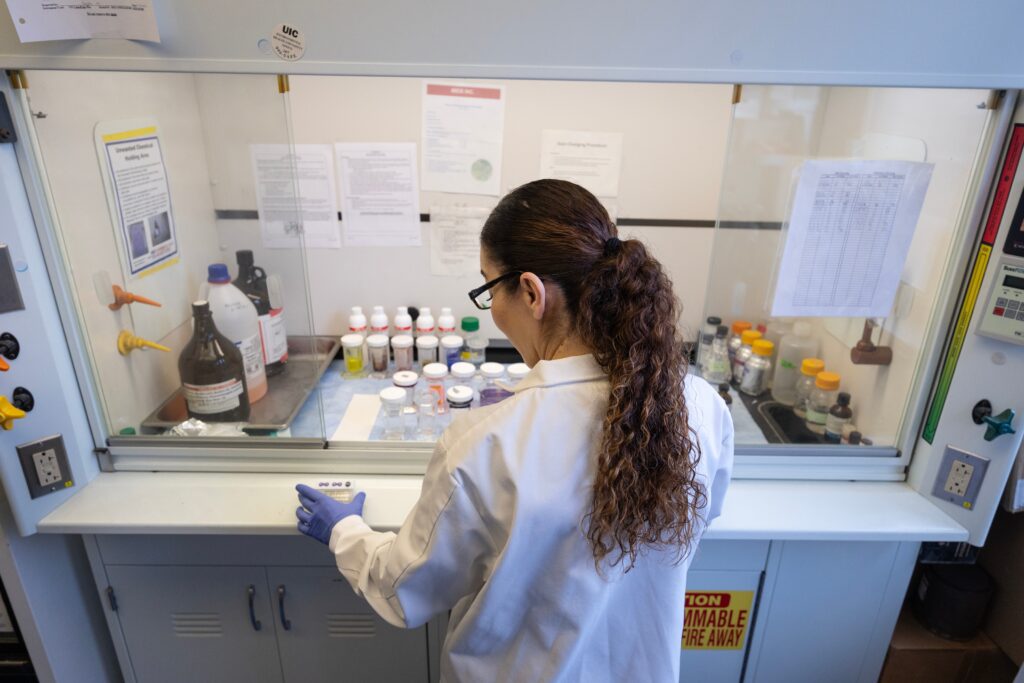
Scott Atlas’s July 2 online op-ed “Abolish the NIH” made valid points about bureaucracy, indirect costs and the need for greater transparency at the National Institutes of Health. The answer to those challenges, however, is not to scrap the United States’ premier medical research institution. The answer is to make it better. As someone living []
Narrative Intelligence Brief
This article was published by DNyuz, a source frequently categorized with a lean right bias based in Armenia. Our narrative intelligence engine continuously monitors coverage from this outlet to track framing, bias, and rhetorical patterns. In this specific piece, our systems detected the potential use of the "Name Calling" technique. This narrative approach is often used to shape reader perception by highlighting specific emotional or rhetorical angles. By understanding the editorial perspective of DNyuz, readers can better contextualize the information presented and compare it across our broader media matrix to find the real narrative.
More from DNyuz
July 13, 2026
‘Dumb and dangerous’ Trump battered on MS NOW after setting off travel firestorm
July 13, 2026
Heat Waves in Europe Linked to Thousands of Excess Deaths
July 13, 2026
Scientists Are Testing a New Underwater Habitat Where Humans Can Live on the Ocean Floor
July 13, 2026
The War Trump Can’t Control
July 13, 2026
China’s free AI model is giving DeepSeek déjà vu. It works, but takes patience.
Reliability Insights
P
Technique: Name Calling
System analysis detected use of specific narrative techniques in this piece.Analysis Methodology
This narrative analysis was generated using the CoDataLab Global Intelligence Engine. Our proprietary AI scans thousands of cross-border sources to identify sentiment patterns, framing techniques, and potential media bias. While AI provides the data-driven foundation, our objective is to empower readers with additional context beyond the standard headline.The content displayed above is a structured summary designed for rapid information processing. For the full original report, please visit the source outlet.More Coverage
Discussion
"cup"



How other outlets are covering this story
Compare narratives across 40 related reports from 40 sources. Real Narrative News aggregates the coverage spectrum so you can see who emphasises what — bias tags reflect the outlet, not the story.
Coverage bias distribution
40 sources
Left 18%
Center 30%
Right 43%
mindbodygreen
· Jul 4, 2026
Americans Are Rethinking Supplements — This 25-Year Study Explains Why
Enter: The rise of personalized supplementation
Real Clear Politics
· Jul 6, 2026
Can We Keep This Great American Experiment?
Can We Keep This Great American Experiment?
Inc.com
· Jun 29, 2026
Even If You Eat Enough Veggies, You’re Probably Missing This Brain-Protecting Nutrient
A massive new study warns that 80 percent of us are deficient in an essential element linked to slower brain aging—even if we hit our daily serving goals.
NaturalHealth365
· Jun 24, 2026
Harvard’s 30-year study just proved the low-carb vs. low-fat debate was the wrong argument
(NaturalHealth365) For three decades, Americans have argued about whether low-carb or low-fat ... Harvard’s 30-year study just proved the low-carb vs. low-fat debate was the wrong argument The post Harvard’s 30-year study just proved the low-carb vs. low-fat debate was the wrong argument appeared first on NaturalHealth365.
NaturalNews.com
· Jun 22, 2026
Beyond the beet: The true heart-health arsenal hiding in plain sight
(NaturalNews) The article strongly criticizes relying on any single superfood (like beets) for health, arguing that effectively managing hypertension requires...
The News Letter
· Jul 8, 2026
Editorial: Stormont's conversion therapy ban proposal needs careful scrutiny
News Letter editorial for Thursday, July 9, 2026:
The College Fix
· Jun 23, 2026
Journal retracts paper skeptical of ‘white power’ in psychology, says it conflicts with ‘values’
A New Zealand psychology journal retracted a paper questioning claims that science is a tool of white power. Critics, including former editor Dr. Kumari Valentine, say the move threatens academic discourse.
Inside Higher Ed
· Jul 7, 2026
Beyond Grade Inflation—What We’ve Got Is Shrinkflation
Beyond Grade Inflation—What We’ve Got Is Shrinkflation Elizabeth Redden Tue, 07/07/2026 - 03:00 AM AI is devaluing the academic product itself. Byline(s) Zorina Khan
Gary Taubes
· May 23, 2024
Substack 10: Magic Pill and the Satiety Problem Problem
My latest post on Unsettled Science: Johann Hari’s new book, Magic Pill, does a good job on the benefits and risks of taking a drug like Ozempic. It goes off the rails when he gets around to discussing the science of obesity. Consider this the Satiety Problem Problem. Another learning experience (we didn’t need) on...Read More »
Armstrong Economics
· Jul 11, 2026
Prejudice in Science Prevented New Discoveries
Prejudice in Science Prevented New Discoveries
Institute for Energy Research
· Jul 4, 2026
Energy Affordability is a Choice, and Some States are Choosing Poorly
WASHINGTON DC (07/04/2026) – As Americans celebrate the 250th anniversary of the nation’s founding on this Independence Day, a new analysis from Always on The post Energy Affordability is a Choice, and Some States are Choosing Poorly appeared first on IER.
MIT Technology Review
· Jun 23, 2026
Engineered “mini livers” could be injected as an alternative to transplantation
A technology developed by Professor Sangeeta Bhatia, SM ’93, PhD ’97, and colleagues could offer new hope to the thousands of Americans with chronic liver disease who are waiting for an organ transplant or not strong enough to tolerate one. The liver is involved in regulating blood clotting, removing bacteria from the bloodstream, metabolizing drugs,
Washington Examiner
· Jun 24, 2026
AI is about to fire millions. But there is a way to stop it
As artificial intelligence reaches human replacement-level capability, it is about to cut a swath of destruction through the American workforce, leaving millions of employees to deal with the mental, economic, and social consequences. Along with a mentor at the University of Florida, Dr. Joseph Thornton, we published a paper last year outlining a clinical construct []
The Library of Economics and Liberty
· Jul 10, 2026
A Brief History of Strategic Tariffs in the U.S.
A May 29 article in the IMF’s FD Magazine argues in favor of using U.S. tariffs as a policy tool. It begins by questioning the argument for free trade, claiming that economists have based U.S. and global trade policy on theoretical models rather than empirical evidence: “Tariffs were not tried and found wanting but rejected [] The post A Brief History of Strategic Tariffs in the U.S. appeared first on Econlib.
Quartz
· Jun 23, 2026
Can we just be normal about AI?
New research challenges the idea that AI will either save or destroy humanity, arguing that artificial intelligence will reshape society gradually
DNyuz
· Jun 28, 2026
Neanderthals May Not Have Inbred Themselves Into Extinction After All, New Study Finds
As we bask in the golden age of Neanderthal discoveries, where it seems like every week or month, scientists uncover another fact that radically changes what we thought we knew about our ancient cousins, who we once thought were complete morons who were such idiots that they basically died from their stupidity, we have to []
Jacobin
· Jul 8, 2026
What Everyone Should Know About How Capital Works
Mainstream economics cannot accept the concept of contradiction that is foundational for Karl Marx’s analysis of capitalism. David Harvey explains why we need the Marxist perspective if we want to make sense of capital’s latest mutations in the age of AI.
The Hindu BusinessLine
· Jun 29, 2026
Editorial. Pointless exercise
Strange move to revive Calcutta Stock Exchange
Research Professional News
· Jun 25, 2026
US Health Department sets out plan to accelerate clinical studies
Roadmap to reboot America’s scientific standing would strengthen biomedical research and speed drug development The post US Health Department sets out plan to accelerate clinical studies appeared first on Research Professional News.
USA TODAY
· Jun 23, 2026
Will mankind be able to harness AI for good?
In his new book, “The God Test,” Robert Wright argues that humanity must evolve in order to make AI truly useful. Sign up for our newsletter for the day's top stories, from sports to movies to politics to world events: https://profile.usatoday.com/newsletters/daily-briefing/
The Daily Wire
· Jun 30, 2026
Want To Eat Like MAHA? Start By Ditching These Pantry Staples
This article is part of Upstream, The Daily Wire’s new home for culture and lifestyle. Real human insight and human stories — from our featured writers to you. *** The Make America Healthy Again movement has Americans taking second looks at everything from ingredient lists to pharmaceuticals, but the fastest way to get healthy is much ...
Riyadh Xpress
· Jul 11, 2026
Testosterona y Péptidos en el Culturismo
La testosterona y los péptidos son dos elementos que están en el centro de muchas discusiones en el mundo del culturismo. Ambos juegan un papel crucial en la mejora del rendimiento físico, el desarrollo muscular y la recuperación. Comprender su funcionamiento y uso puede ser fundamental para los atletas y entusiastas del fitness que buscan [] The post Testosterona y Péptidos en el Culturismo appeared first on Riyadh Xpress.
Gizmodo
· Jun 26, 2026
Xprize Founder Insists All the New Tech That’s Surveilling Humans Makes Us ‘Behave Better’
Who's actually being monitored in a trillion sensor world?
Sada Elbalad
· Jul 1, 2026
U.N. AI Panel Warns Governance Lags Behind Rapid Advances in AI
A United Nations-backed independent panel of scientists warned on Wednesday that advances in artificial intelligence are outpacing both scientific understanding and governments' ability to regulate the technology, urging policymakers to act quickly to manage mounting risks while harnessing AI's potential
The korea Herald News
· Jul 10, 2026
HLB liver cancer drug hits FDA setback again over manufacturing issues
HLB's hopes of bringing its liver cancer treatment to the US market have suffered another blow after the US Food and Drug Administration issued a Complete Response Letter delaying approval, citing manufacturing compliance issues rather than concerns over the drug's clinical data. HLB said Friday that its US subsidiary, Elevar Therapeutics, received the CRL from the FDA regarding its new drug application for Rivoceranib, an anti-cancer therapy intended for use in the treatment of liver cancer. Ac
ComputerWeekly
· Jun 23, 2026
A surgical approach – inside an AI-enabled operating theatre
In this week’s Computer Weekly, we find out how AI and cloud are being used to support hospital surgery and the challenges of a life-or-death environment. As the UK government announces a social media ban for under-16s, we look into the technology that will underpin the policy. And we hear how AI is transforming the experience for fans at golf’s biggest tournaments. Read the issue now.
Off The Press
· Jun 24, 2026
Report warns of harmful rise in social ideology in medicine
Medical journals’ tripled engagement with non-health related factors such as environmental, economic, and social well-being over the past decade as well as the phrase’s broadening scope may allow harmful ideologies to influence healthcare overall, a new report from medical watchdog Do No Harm warns. Senior director of Do No Harm’s Center for Accountability in Medicine []...Click to read more
The Register
· Jun 24, 2026
Boffin claims Microsoft's supposed quantum leap does not compute due to 'basic Python errors'
Nature paper argues researchers cherry-picked data. Redmond insists its work is sound
Dr. Group's Healthy Living blog
· Jun 19, 2024
Toxic Chemicals and Their Impact on Health
You may have noticed that many companies now make household goods with “non-toxic” somewhere on the label – cleaning solutions, personal care items, food and beverage containers, children’s toys, clothing, and even things we eat are marketed as healthy alternatives to what people have used for decades. Why the switch? Modern research has found that many chemicals used in manufacturing (often for well-intended purposes, like durability or effectiveness) are harmful to humans, animals, and the environment. Understanding how these toxic chemicals can impact your health and knowing where you might [] The post Toxic Chemicals and Their Impact on Health appeared first on Dr. Group's Healthy Living Articles.
ArcaMax
· Jul 8, 2026
Ivermectin isn’t a cancer miracle drug, but influencers claim otherwise – here’s how to avoid sprinting past scientific evidence
Though researchers have been studying the animal deworming drug ivermectin for decades, there is no evidence that it’s a safe or effective way to treat cancer in people. However, a June 2026 study put the topic back in the spotlight. After ...
Digital Trends
· Jul 11, 2026
You can stop using AI, but this new report says you probably can’t escape it
A new UK survey finds that people are deliberately limiting AI use, even as most believe avoiding AI exposure has become difficult or impossible.
Imprimis
· May 22, 2026
Launching a Second Scientific Revolution
If we continue as we have been, the prospect of our children living shorter, less healthy lives than we do is a real possibility. The post Launching a Second Scientific Revolution appeared first on Imprimis.
Korea Times News
· Jul 7, 2026
Korea says proposed US forced labor tariff is 'unwarranted,' should be reconsidered
Korea says proposed US forced labor tariff is 'unwarranted,' should be reconsidered
New Scientist
· Jun 24, 2026
Neuroscience can't tell us the way to govern people's brains
From the age of legal adulthood to the concept of profound autism, policy-makers are turning to neuroscience to help shape laws and policies, but the science simply isn't ready
Seeking Alpha
· Jul 2, 2026
Franklin Biotechnology Discovery Fund Q1 2026 Commentary
Franklin Biotechnology Discovery Fund Q1 2026 Commentary
Portside
· Jun 27, 2026
A Complicated Time To Be a Young Scientist
A Complicated Time To Be a Young Scientist barry Fri, 06/26/2026 - 20:39
Futurism
· Jul 11, 2026
Tech Bros Puzzled by Why AI Hasn’t “Massively Disrupted” Books Yet
People are still reading human made books. Why is that? The post Tech Bros Puzzled by Why AI Hasn’t “Massively Disrupted” Books Yet appeared first on Futurism.
The Japan Times
· Jul 11, 2026
Japanese government to work with industry and academia on dual-use tech
A new strategy adopted Friday calls for organic links between scientific technology and national security.
The Marketing Journal
· May 12, 2025
“Technology and the Common Good” – Christian Sarkar and Philip Kotler
In an age of accelerating innovation, the question of whether technology serves the Common Good is more urgent than ever. From the disintermediation of music to the democratization of 3D printing and the rise of artificial intelligence (AI), the fundamental struggle is the same: Who controls the value generated by technology — and who benefits []
UPI
· Jun 22, 2026
Anyone can fake a scientific image with AI, tricking even academic journals -- and undermining trust in science
Anyone can fake a scientific image with AI, tricking even academic journals -- and undermining trust in science
Topics:
Related coverage for "How abolishing the NIH would weaken American science": mindbodygreen — Americans Are Rethinking Supplements — This 25-Year Study Explains Why. Real Clear Politics — Can We Keep This Great American Experiment?. Inc.com — Even If You Eat Enough Veggies, You’re Probably Missing This Brain-Protecting Nutrient. NaturalHealth365 — Harvard’s 30-year study just proved the low-carb vs. low-fat debate was the wrong argument. NaturalNews.com — Beyond the beet: The true heart-health arsenal hiding in plain sight. The News Letter — Editorial: Stormont's conversion therapy ban proposal needs careful scrutiny. The College Fix — Journal retracts paper skeptical of ‘white power’ in psychology, says it conflicts with ‘values’. Inside Higher Ed — Beyond Grade Inflation—What We’ve Got Is Shrinkflation. Gary Taubes — Substack 10: Magic Pill and the Satiety Problem Problem. Armstrong Economics — Prejudice in Science Prevented New Discoveries. Institute for Energy Research — Energy Affordability is a Choice, and Some States are Choosing Poorly. MIT Technology Review — Engineered “mini livers” could be injected as an alternative to transplantation. Washington Examiner — AI is about to fire millions. But there is a way to stop it. The Library of Economics and Liberty — A Brief History of Strategic Tariffs in the U.S.. Quartz — Can we just be normal about AI?. DNyuz — Neanderthals May Not Have Inbred Themselves Into Extinction After All, New Study Finds. Jacobin — What Everyone Should Know About How Capital Works. The Hindu BusinessLine — Editorial. Pointless exercise. Research Professional News — US Health Department sets out plan to accelerate clinical studies. USA TODAY — Will mankind be able to harness AI for good?. The Daily Wire — Want To Eat Like MAHA? Start By Ditching These Pantry Staples. Riyadh Xpress — Testosterona y Péptidos en el Culturismo. Gizmodo — Xprize Founder Insists All the New Tech That’s Surveilling Humans Makes Us ‘Behave Better’. Sada Elbalad — U.N. AI Panel Warns Governance Lags Behind Rapid Advances in AI. The korea Herald News — HLB liver cancer drug hits FDA setback again over manufacturing issues. ComputerWeekly — A surgical approach – inside an AI-enabled operating theatre. Off The Press — Report warns of harmful rise in social ideology in medicine. The Register — Boffin claims Microsoft's supposed quantum leap does not compute due to 'basic Python errors'. Dr. Group's Healthy Living blog — Toxic Chemicals and Their Impact on Health. ArcaMax — Ivermectin isn’t a cancer miracle drug, but influencers claim otherwise – here’s how to avoid sprinting past scientific evidence. Digital Trends — You can stop using AI, but this new report says you probably can’t escape it. Imprimis — Launching a Second Scientific Revolution. Korea Times News — Korea says proposed US forced labor tariff is 'unwarranted,' should be reconsidered. New Scientist — Neuroscience can't tell us the way to govern people's brains. Seeking Alpha — Franklin Biotechnology Discovery Fund Q1 2026 Commentary. Portside — A Complicated Time To Be a Young Scientist. Futurism — Tech Bros Puzzled by Why AI Hasn’t “Massively Disrupted” Books Yet. The Japan Times — Japanese government to work with industry and academia on dual-use tech . The Marketing Journal — “Technology and the Common Good” – Christian Sarkar and Philip Kotler. UPI — Anyone can fake a scientific image with AI, tricking even academic journals -- and undermining trust in science