Today in News History
On June 22, several notable moments in the history of News stand out. In 947, Qian Hongzuo, king of Wuyue (born 928) passed away. In 1774, The British pass the Quebec Act, setting out rules of governance for the colony of Quebec in British North America. In 1949, Brian Leveson, English lawyer and judge was born. In 1962, Stephen Chow, Hong Kong actor, director, producer, and screenwriter was born. In 1965, The Treaty on Basic Relations between Japan and the Republic of Korea is signed. In 1969, The Cuyahoga River catches fire in Cleveland, Ohio, drawing national attention to water pollution, and spurring the passing of the Clean Water Act and the creation of the Environmental Protection Agency. In 1975, Urmas Reinsalu, Estonian academic and politician, 28th Estonian Minister of Defence was born. In 1989, Jung Yong-hwa, South Korean singer-songwriter and actor was born. In 1990, Cold War: Checkpoint Charlie is dismantled in Berlin. In 2017, Mao Kobayashi, Japanese newscaster and actress (born 1982) passed away. Together, these milestones provide historical context for today's news news and ongoing narratives.
Hong Kong’s Tai Po fire probe rules out statutory powers, says evidence sufficient
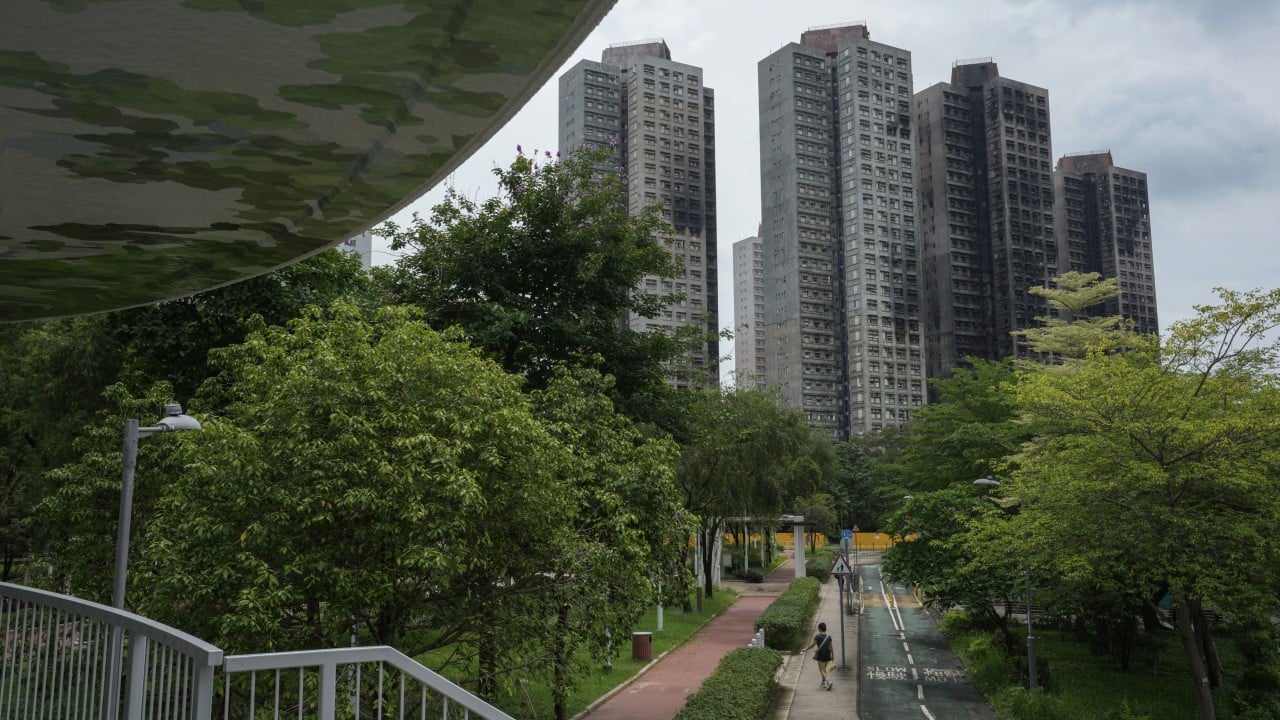
This story has been made freely available as a public service to our readers. Please consider supporting SCMP’s journalism by subscribing. A judge-led panel investigating Hong Kong’s deadliest fire in decades has resumed its public inquiry after a six-week break to hear expert evidence on the cause of the blaze that killed 168 people last year. The independent committee probing the Wang Fuk Court inferno began its fifth round of hearings on Monday, with three government experts scheduled to give...
Narrative Intelligence Brief
This article was published by South China Morning Post, a source frequently categorized with a lean left bias based in Hong Kong. Our narrative intelligence engine continuously monitors coverage from this outlet to track framing, bias, and rhetorical patterns. Our initial algorithmic scan of this specific piece did not flag high-confidence rhetorical techniques, suggesting a generally straightforward reporting style or neutral framing. By understanding the editorial perspective of South China Morning Post, readers can better contextualize the information presented and compare it across our broader media matrix to find the real narrative.
More from South China Morning Post
June 22, 2026
Malaysia’s nationwide diesel subsidy gets citizens all pumped up
June 22, 2026
Blast at Qatar gas facility leaves at least 54 hurt, 18 missing
June 22, 2026
Zhipu AI market cap tops HK$1 trillion as shares of GLM-5.2 developer soar
June 22, 2026
Blockade lifted, assets to be returned to Iran in Swiss talks breakthrough
June 22, 2026
Moving the goalposts won’t fix sources of Hong Kong poverty
Analysis Methodology
This narrative analysis was generated using the CoDataLab Global Intelligence Engine. Our proprietary AI scans thousands of cross-border sources to identify sentiment patterns, framing techniques, and potential media bias. While AI provides the data-driven foundation, our objective is to empower readers with additional context beyond the standard headline.The content displayed above is a structured summary designed for rapid information processing. For the full original report, please visit the source outlet.More Coverage
Discussion
"iran"
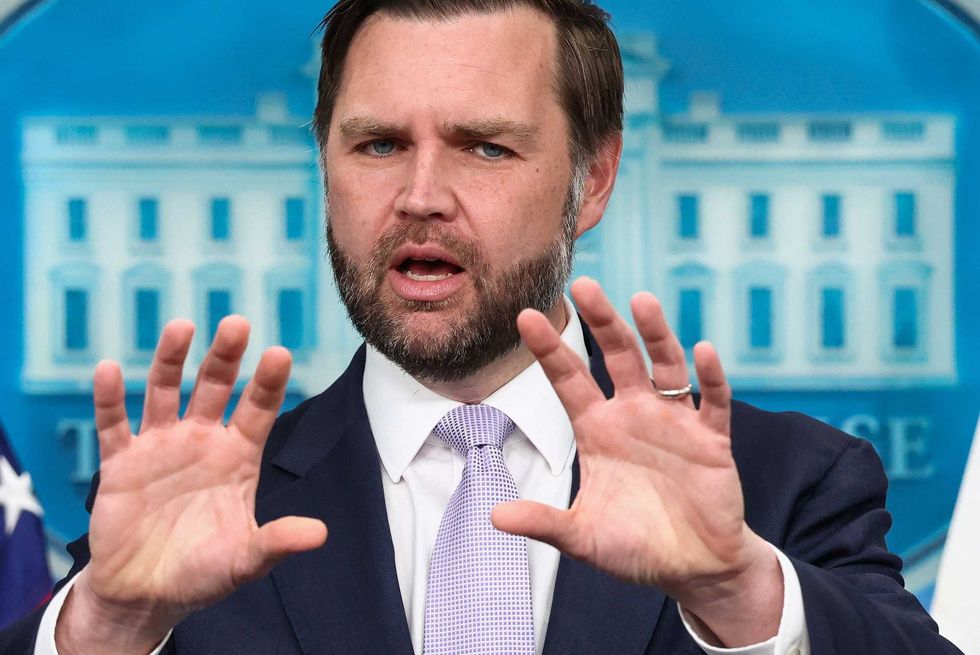
This insane JD Vance admission has Republicans — and Fox News — paralyzed with fear
Trump renews threat to New York Times over Iran coverage

‘Slowly, then very quickly’: Economist shares striking warning as Trump’s war deal falters