
Today in News History
On June 19, several notable moments in the history of News stand out. In 1731, Joaquim Machado de Castro, Portuguese sculptor (died 1822) was born. In 1795, James Braid, Scottish-English surgeon (died 1860) was born. In 1840, Georg Karl Maria Seidlitz, German entomologist and academic (died 1917) was born. In 1846, Antonio Abetti, Italian astronomer and academic (died 1928) was born. In 1854, Hjalmar Mellin, Finnish mathematician and theorist (died 1933) was born. In 1906, Ernst Boris Chain, German-Irish biochemist and academic, Nobel Prize laureate (died 1979) was born. In 1933, Viktor Patsayev, Kazakh engineer and astronaut (died 1971) was born. In 1945, Aung San Suu Kyi, Burmese politician, Nobel Prize laureate was born. In 1965, Sabine Braun, German heptathlete was born. In 1981, Subhash Mukherjee, Indian scientist and physician who created India's first, and the world's second, child using in-vitro fertilisation (born 1931) passed away. Together, these milestones provide historical context for today's news news and ongoing narratives.
Hong Kong surgeon misidentified organs in fatal blunder, hospital probe finds
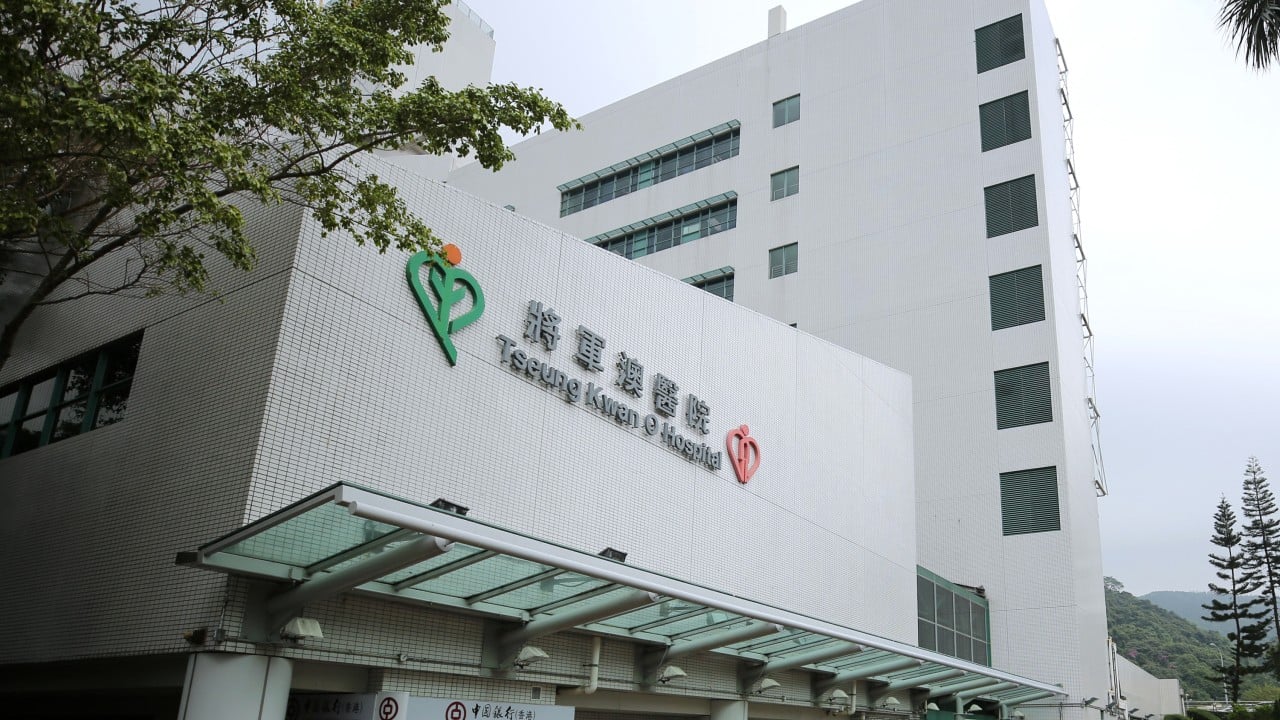
A Hong Kong surgeon who operated on the wrong organ of an elderly patient had shown “confirmation bias” in identifying structures in the abdominal cavity, an investigation into the blunder has found, prompting a former lawmaker to call for his dismissal. Tseung Kwan O Hospital on Thursday released a cause analysis report on the February 7 incident involving an 85-year-old woman with obstructive sigmoid colon cancer, who died three weeks after the operation. She had undergone what was intended to...
Narrative Intelligence Brief
This article was published by South China Morning Post, a source frequently categorized with a lean left bias based in Hong Kong. Our narrative intelligence engine continuously monitors coverage from this outlet to track framing, bias, and rhetorical patterns. Our initial algorithmic scan of this specific piece did not flag high-confidence rhetorical techniques, suggesting a generally straightforward reporting style or neutral framing. By understanding the editorial perspective of South China Morning Post, readers can better contextualize the information presented and compare it across our broader media matrix to find the real narrative.
More from South China Morning Post
June 19, 2026
‘King of the North’ Burnham wins seat, setting up bid to oust UK’s Starmer
June 19, 2026
US-Iran talks in Switzerland delayed, White House says Vance remains ready to go
June 19, 2026
Drowning of Indonesian teen at tourist spot spurs calls for tighter safety rules
June 19, 2026
Hong Kong property sales more measured as interest rate increase looms
June 19, 2026
Hong Kong’s local brands hold key to city’s creative future
Analysis Methodology
This narrative analysis was generated using the CoDataLab Global Intelligence Engine. Our proprietary AI scans thousands of cross-border sources to identify sentiment patterns, framing techniques, and potential media bias. While AI provides the data-driven foundation, our objective is to empower readers with additional context beyond the standard headline.The content displayed above is a structured summary designed for rapid information processing. For the full original report, please visit the source outlet.More Coverage
Discussion
"trump"
🚨 MAGA Mike GOES MISSING as HELL BREAKS LOOSE in HOUSE!!!

Trump’s Iran deal sparks anger among Republican hawks

Bombshell report reveals harrowing details of UK’s shocking grooming gang scandal
