Today in News History
On July 3, several notable moments in the history of News stand out. In 1905, Johnny Gibson, American hurdler and coach (died 2006) was born. In 1927, Gérard de Courcelles, French race car driver passed away. In 1939, László Kovács, Hungarian politician and diplomat, Hungarian Minister of Foreign Affairs was born. In 1944, World War II: The Minsk Offensive clears German troops from the city. In 1976, Bobby Skinstad, Zimbabwean-South African rugby union player was born. In 1976, Wade Belak, Canadian ice hockey player (died 2011) was born. In 1985, Frank J. Selke, Canadian ice hockey player and manager (born 1893) passed away. In 1989, Danilo Cavalcante, Brazilian convicted murderer was born. In 1990, Lucas Mendes, Brazilian footballer was born. In 2012, Sergio Pininfarina, Italian engineer and politician (born 1926) passed away. Together, these milestones provide historical context for today's news news and ongoing narratives.
Here’s why you get nervous watching penalty shootouts at the World Cup | Pitchside Episode 4
The World Cup knockout stage is delivering late goals, major upsets and nerve-wracking penalty shootouts. Reuters Pitchside breaks down the USA’s dramatic win with 10 men after Folarin Balogun’s costly red card, and the upcoming showdown with Belgium. Plus, why England could struggle against Mexico in Mexico City, whether anyone can stop France, and how the tournament is bringing visiting fans and American host cities together for the Fourth of July. #News #Reuters #Newsfeed 👉 Subscribe: https://reut.rs/4b8fRGn Keep up with the latest news from around the world: https://www.reuters.com/ Follow Reuters on Facebook: https://www.facebook.com/Reuters Follow Reuters on X: https://twitter.com/Reuters Follow Reuters on Instagram: https://www.instagram.com/reuters/?hl=en
Narrative Intelligence Brief
This article was published by Reuters, a source frequently categorized with a center bias based in United Kingdom. Our narrative intelligence engine continuously monitors coverage from this outlet to track framing, bias, and rhetorical patterns. Our initial algorithmic scan of this specific piece did not flag high-confidence rhetorical techniques, suggesting a generally straightforward reporting style or neutral framing. By understanding the editorial perspective of Reuters, readers can better contextualize the information presented and compare it across our broader media matrix to find the real narrative.
More from Reuters
July 3, 2026
World Cup upsets, penalty drama and nail-biting endings
July 3, 2026
What does America's 250th anniversary mean to Native Americans?
July 2, 2026
Iran unveils slain Supreme Leader Ali Khamenei's coffin
July 2, 2026
Dow at record closing high on US jobs data, Nasdaq slips
July 2, 2026
Russian daredevils face charges after Empire State stunt
Analysis Methodology
This narrative analysis was generated using the CoDataLab Global Intelligence Engine. Our proprietary AI scans thousands of cross-border sources to identify sentiment patterns, framing techniques, and potential media bias. While AI provides the data-driven foundation, our objective is to empower readers with additional context beyond the standard headline.The content displayed above is a structured summary designed for rapid information processing. For the full original report, please visit the source outlet.More Coverage
Discussion
"trump"
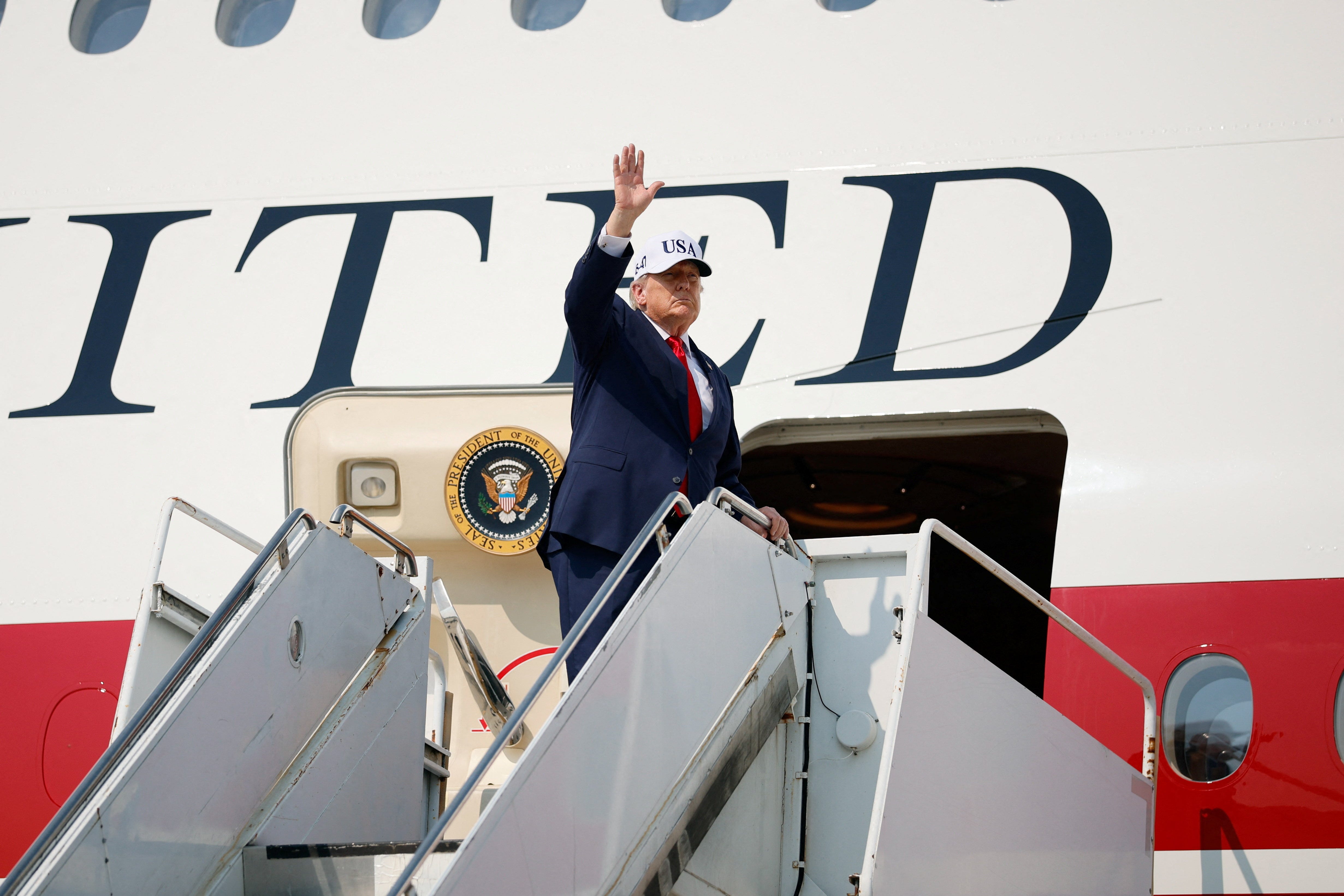
✈️ America’s Most Corrupt President Rides World’s Largest Metaphor for Corruption
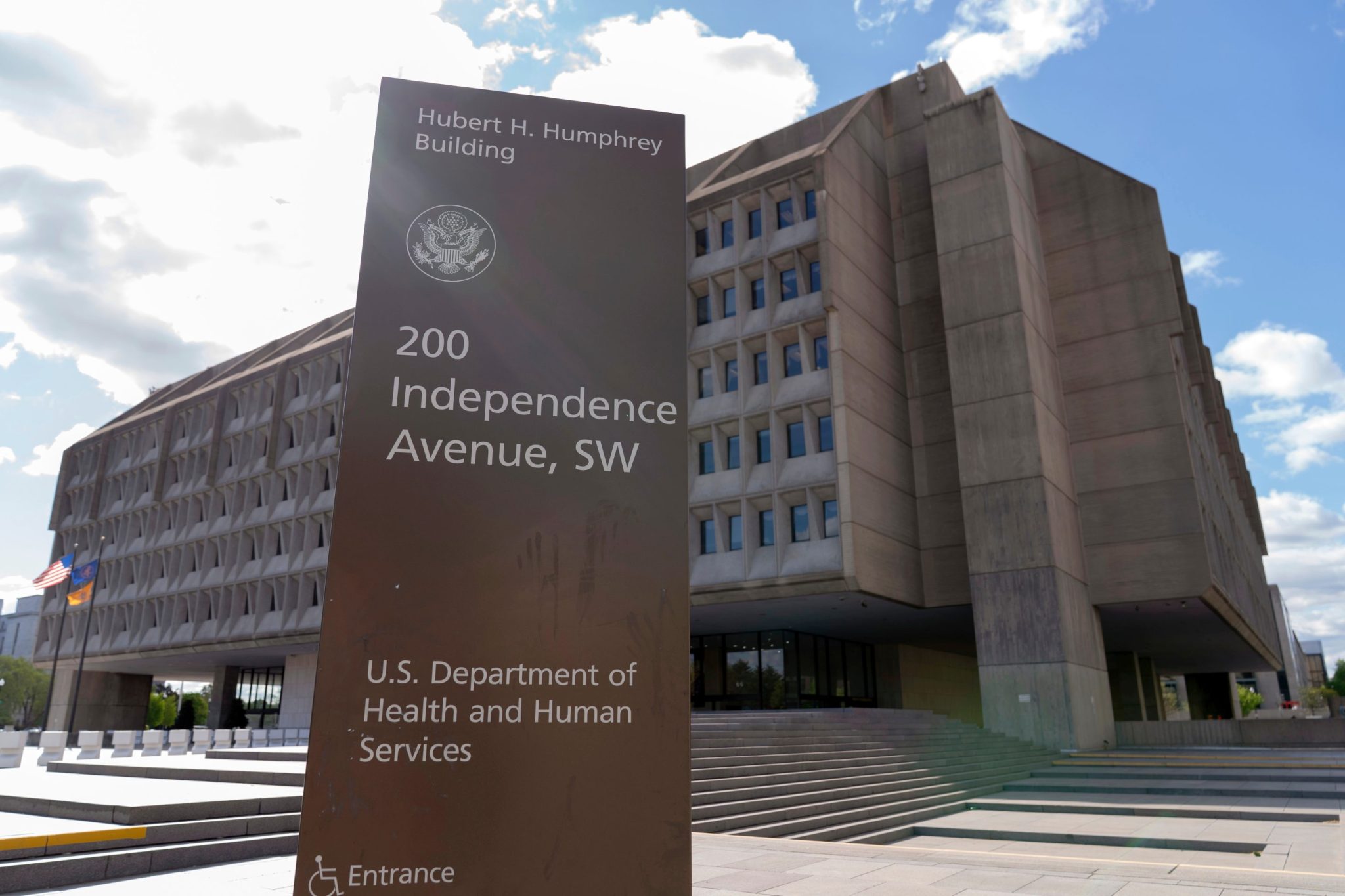
Trump fights fraud by freezing funding for New York’s Medicaid Fraud Control Unit
Tim Walz pardons illegal alien despite HORRIFIC child sex crimes — which may shield him from deportation