Today in News History
On June 20, several notable moments in the history of News stand out. In 1943, The Detroit race riot breaks out and continues for three more days. In 1948, The Deutsche Mark is introduced in Western Allied-occupied Germany. The Soviet Military Administration in Germany responded by imposing the Berlin Blockade four days later. In 1959, A rare June hurricane strikes Canada's Gulf of St. Lawrence killing 35. In 1963, Following the Cuban Missile Crisis, the Soviet Union and the United States sign an agreement to establish the so-called "red telephone" link between Washington, D.C., and Moscow. In 1973, Aeroméxico Flight 229 crashes on approach to Licenciado Gustavo Díaz Ordaz International Airport, killing all 27 people on board. In 1973, Snipers fire upon left-wing Peronists in Buenos Aires, Argentina, in what is known as the Ezeiza massacre. At least 13 are killed and more than 300 are injured. In 1975, The film Jaws is released in the United States, becoming the highest-grossing film of that time and starting the trend of films known as "summer blockbusters". In 1982, The International Conference on the Holocaust and Genocide opens in Tel Aviv, despite attempts by the Turkish government to cancel it, as it included presentations on the Armenian genocide. In 1987, A-fu, Taiwanese singer and songwriter was born. In 1990, The 7.4 Mw Manjil-Rudbar earthquake affects northern Iran with a maximum Mercalli intensity of X (Extreme), killing 35,000-50,000, and injuring 60,000-105,000. Together, these milestones provide historical context for today's news news and ongoing narratives.
Heatwave threshold likely met at weekend before next week’s extreme heat warning

The Met Office warning was posted for Monday and Tuesday for parts of the UK.
Narrative Intelligence Brief
This article was published by The Standard, a source frequently categorized with a lean right bias based in United Kingdom. Our narrative intelligence engine continuously monitors coverage from this outlet to track framing, bias, and rhetorical patterns. Our initial algorithmic scan of this specific piece did not flag high-confidence rhetorical techniques, suggesting a generally straightforward reporting style or neutral framing. By understanding the editorial perspective of The Standard, readers can better contextualize the information presented and compare it across our broader media matrix to find the real narrative.
More from The Standard
June 19, 2026
Scotland 0-1 Morocco: Ismael Saibari rocket silences Tartan Army as World Cup hopes knocked
June 19, 2026
Starmer under pressure to quit after Burnham’s by-election win
June 19, 2026
Train driver killed and dozens seriously injured as two trains collide near Bedford
June 19, 2026
Lola Young tells crowd ‘I’ve missed this so much’ as she rounds off UK tour
June 19, 2026
Spain XI vs Saudi Arabia: Lamine Yamal injury latest, confirmed team news and predicted lineup for World Cup 2026
Analysis Methodology
This narrative analysis was generated using the CoDataLab Global Intelligence Engine. Our proprietary AI scans thousands of cross-border sources to identify sentiment patterns, framing techniques, and potential media bias. While AI provides the data-driven foundation, our objective is to empower readers with additional context beyond the standard headline.The content displayed above is a structured summary designed for rapid information processing. For the full original report, please visit the source outlet.More Coverage
Discussion
"usa"
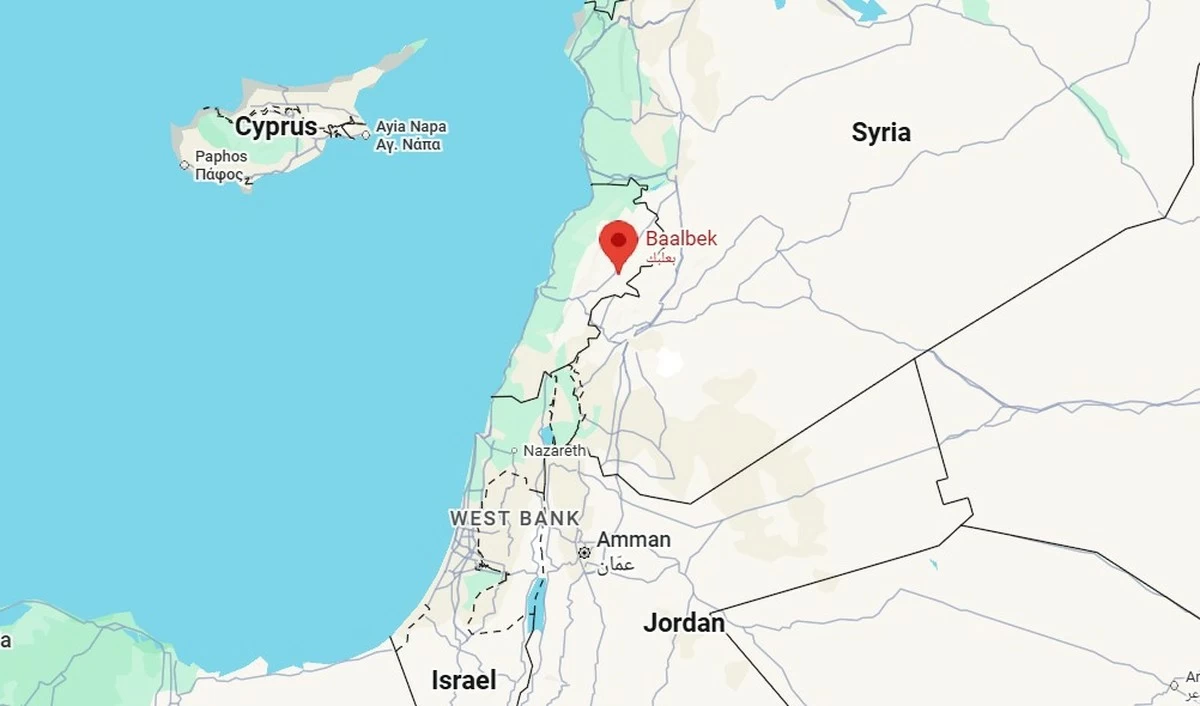
‘No One Tells Us What to Do’: Israel’s Katz Defies Criticism as Strikes Hit Lebanon's Baalbek
Harry Souttar and Aiden O’Neill reflect on US defeat

A Local Train System Is on a World Stage, and Everyone’s a Critic