Today in News History
On July 2, several notable moments in the history of News stand out. In 1486, Jacopo Sansovino, Italian sculptor and architect (died 1570) was born. In 1914, Mário Schenberg, Brazilian physicist and engineer (died 1990) was born. In 1954, Chris Huhne, English journalist and politician, Secretary of State for Energy and Climate Change was born. In 1976, Ľudovít Ódor, Prime minister of Slovakia was born. In 1986, Rodrigo Rojas and Carmen Gloria Quintana are burnt alive during a street demonstration against the dictatorship of General Augusto Pinochet in Chile. In 1990, In the 1990 Mecca tunnel tragedy, 1,400 Muslim pilgrims are suffocated to death and trampled upon in a pedestrian tunnel leading to the holy city of Mecca. In 1994, Henrik Kristoffersen, Norwegian skier was born. In 2015, Jim Weaver, American football player and coach (born 1945) passed away. In 2015, Jacobo Zabludovsky, Mexican journalist (born 1928) passed away. In 2024, A stampede during a religious event in Uttar Pradesh, India, leaves at least 121 people dead and 150 others injured. Together, these milestones provide historical context for today's news news and ongoing narratives.
'Heat dome' threatens sweltering conditions for World Cup fans, players
'Heat dome' threatens sweltering conditions for World Cup fans, players Extreme heat greets fans and players at the World Cup, as an imposing "heat dome" settles over the central and eastern United States and parts of Canada with the knockout rounds progressing. The weather phenomenon – a large area of high pressure that traps heat and humidity – could lead to dangerously high temperatures. Amy Tennery explains the impact on the tournament. #Heat #Weather #Climate #FIFA #WorldCup
Narrative Intelligence Brief
This article was published by Reuters, a source frequently categorized with a center bias based in United Kingdom. Our narrative intelligence engine continuously monitors coverage from this outlet to track framing, bias, and rhetorical patterns. Our initial algorithmic scan of this specific piece did not flag high-confidence rhetorical techniques, suggesting a generally straightforward reporting style or neutral framing. By understanding the editorial perspective of Reuters, readers can better contextualize the information presented and compare it across our broader media matrix to find the real narrative.
More from Reuters
July 2, 2026
Russian daredevils arrested after Empire State proposal
July 2, 2026
Toronto heat warning tests World Cup fan experience
July 2, 2026
Wall Street ends lower as tech shares slip
July 1, 2026
Supreme Court expands executive power, splits on Trump cases
July 1, 2026
Colorado company's technology attracts defense contract
Analysis Methodology
This narrative analysis was generated using the CoDataLab Global Intelligence Engine. Our proprietary AI scans thousands of cross-border sources to identify sentiment patterns, framing techniques, and potential media bias. While AI provides the data-driven foundation, our objective is to empower readers with additional context beyond the standard headline.The content displayed above is a structured summary designed for rapid information processing. For the full original report, please visit the source outlet.More Coverage
Discussion
"belgium"
Tielemans’ controversial late penalty caps Belgium comeback over Senegal

'Remind me not to make that serious mistake' — does Garcia's charge really explain the Lions' collapse?
/https%3A%2F%2Fsportsmole-media-prod.s3.gra.io.cloud.ovh.net%2Fuploads%2F2025%2F11%2Fimago1067621581-1-6919a6804377e335044086.jpg)
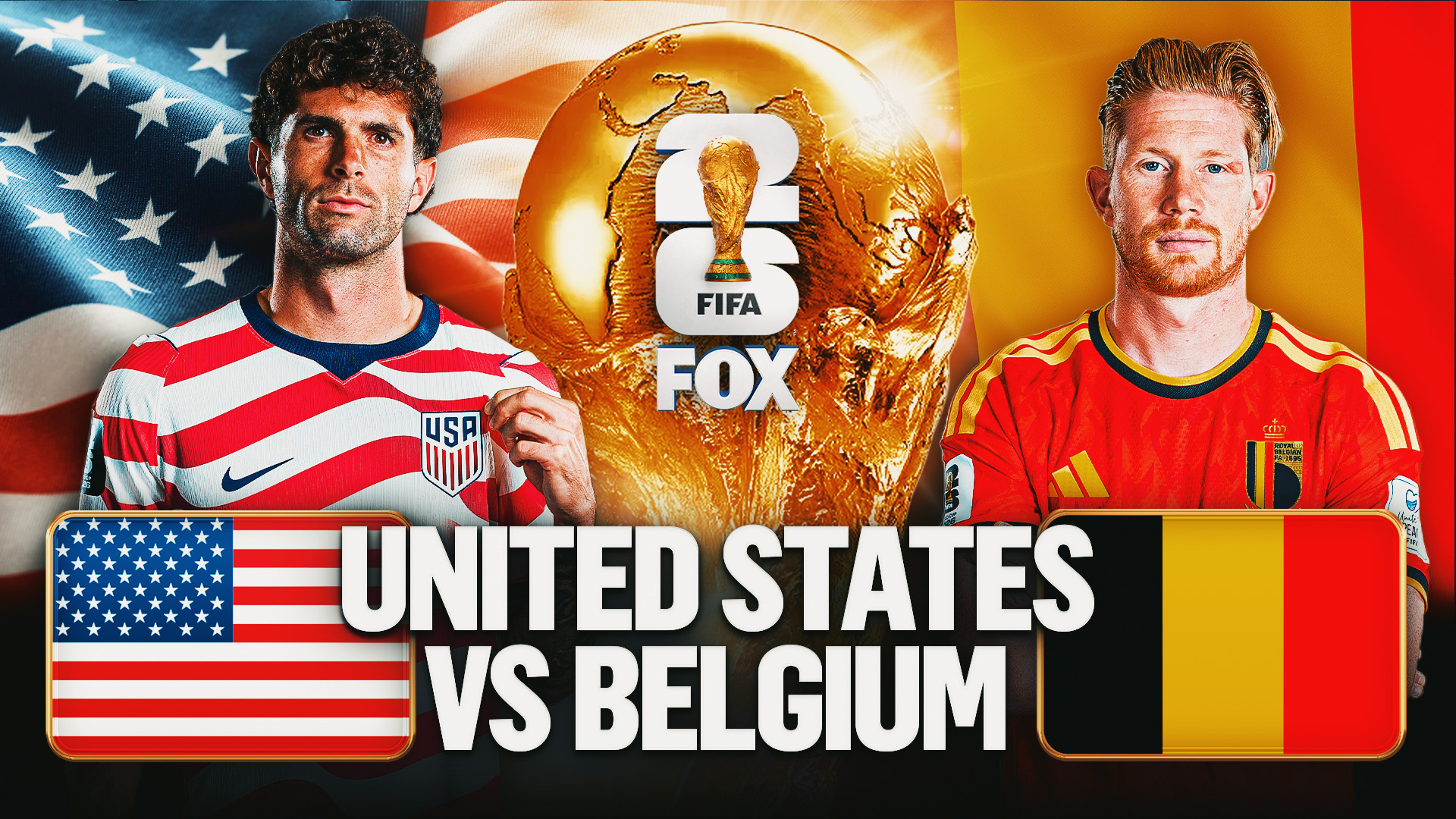
USA vs. Belgium Confirmed For The Round Of 16: Here's What To Know