Today in News History
On July 3, several notable moments in the history of News stand out. In 896, Dong Chang, Chinese warlord passed away. In 1849, France invades the Roman Republic and restores the Papal States. In 1863, American Civil War: The final day of the Battle of Gettysburg culminates with Pickett's Charge. In 1866, Austro-Prussian War is decided at the Battle of Königgrätz, enabling Prussia to exclude Austria from German affairs. In 1880, Carl Schuricht, Polish-German conductor (died 1967) was born. In 1940, World War II: The Royal Navy attacks the French naval squadron in Algeria, to ensure that it will not fall under German control. Of the four French battleships present, one is sunk, two are damaged, and one escapes back to France. In 1944, World War II: The Minsk Offensive clears German troops from the city. In 1949, Bo Xilai, Chinese politician, Chinese Minister of Commerce was born. In 1954, Siegfried Handloser, German physician and general (born 1895) passed away. In 1998, Kim Dong-han, South Korean singer was born. Together, these milestones provide historical context for today's news news and ongoing narratives.
German government pledges to defend trade, signalling tougher China stance
Narrative Analysis: Name Calling

Germany’s ruling coalition has pledged to take a tougher line on defending trade at the continental level, signalling a potential shift by a country long seen as the European Union’s main brake on stronger action against China. The pledge formed part of a 34-point package to revive Germany’s ailing economy that German Chancellor Friedrich Merz’s coalition agreed to on Thursday. While the document did not mention China, German Finance Minister Lars Klingbeil said the government was adopting a...
Narrative Intelligence Brief
This article was published by South China Morning Post, a source frequently categorized with a lean left bias based in Hong Kong. Our narrative intelligence engine continuously monitors coverage from this outlet to track framing, bias, and rhetorical patterns. In this specific piece, our systems detected the potential use of the "Name Calling" technique. This narrative approach is often used to shape reader perception by highlighting specific emotional or rhetorical angles. By understanding the editorial perspective of South China Morning Post, readers can better contextualize the information presented and compare it across our broader media matrix to find the real narrative.
More from South China Morning Post
July 3, 2026
Chinese tea chain ordered to pay Louis Vuitton US$1.5 million for trademark infringement
July 3, 2026
Khamenei’s coffin placed in Tehran religious complex as Iran begins days-long funeral
July 3, 2026
Hong Kong ministers get 1.3% pay rise, after civil servants secure 2% salary bump
July 3, 2026
Hong Kong students tour PLA Navy warships for lesson on national defence
July 3, 2026
Hot and bothered Europeans finally warm to air con
Reliability Insights
P
Technique: Name Calling
System analysis detected use of specific narrative techniques in this piece.Analysis Methodology
This narrative analysis was generated using the CoDataLab Global Intelligence Engine. Our proprietary AI scans thousands of cross-border sources to identify sentiment patterns, framing techniques, and potential media bias. While AI provides the data-driven foundation, our objective is to empower readers with additional context beyond the standard headline.The content displayed above is a structured summary designed for rapid information processing. For the full original report, please visit the source outlet.More Coverage
Discussion
"trump"
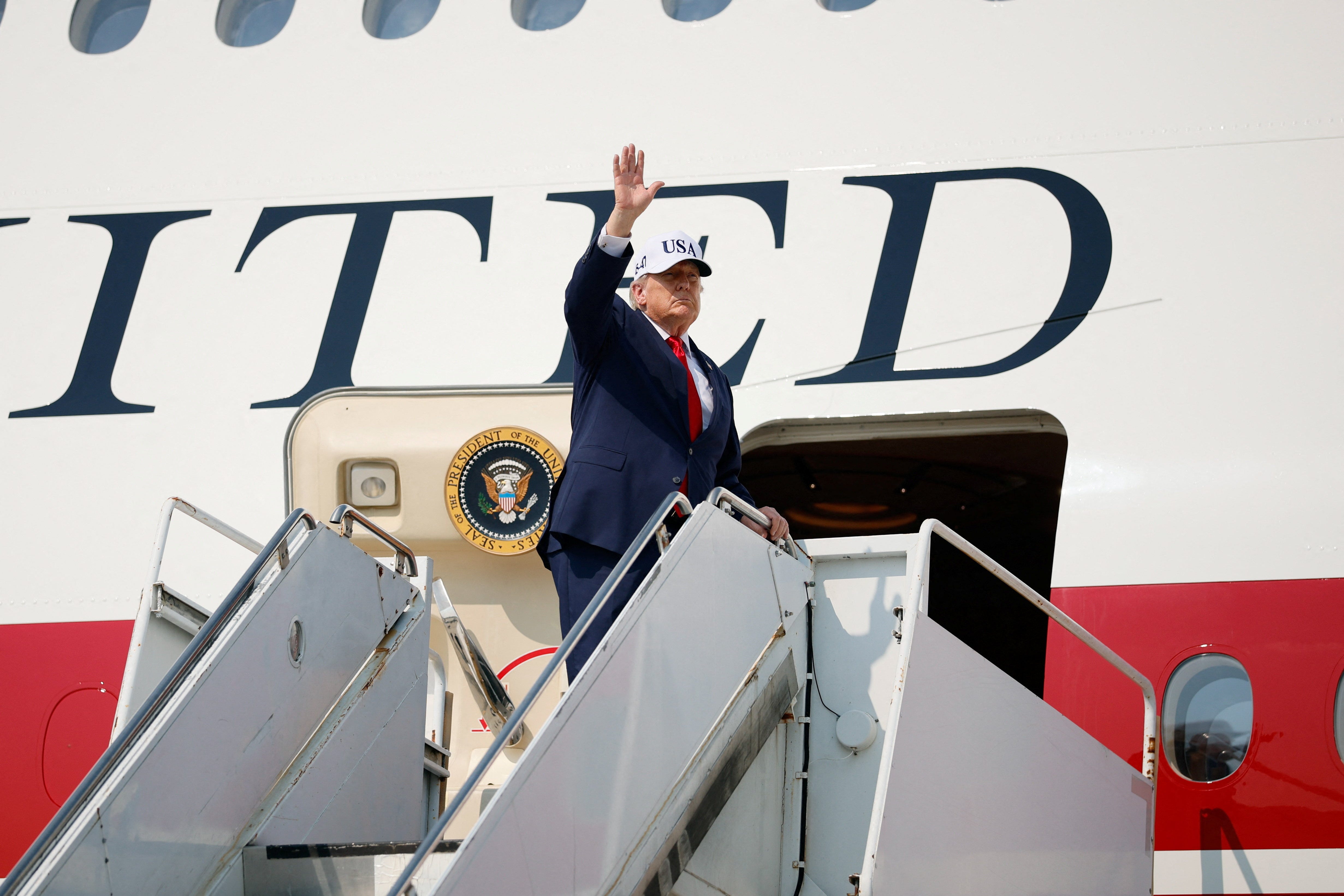
✈️ America’s Most Corrupt President Rides World’s Largest Metaphor for Corruption
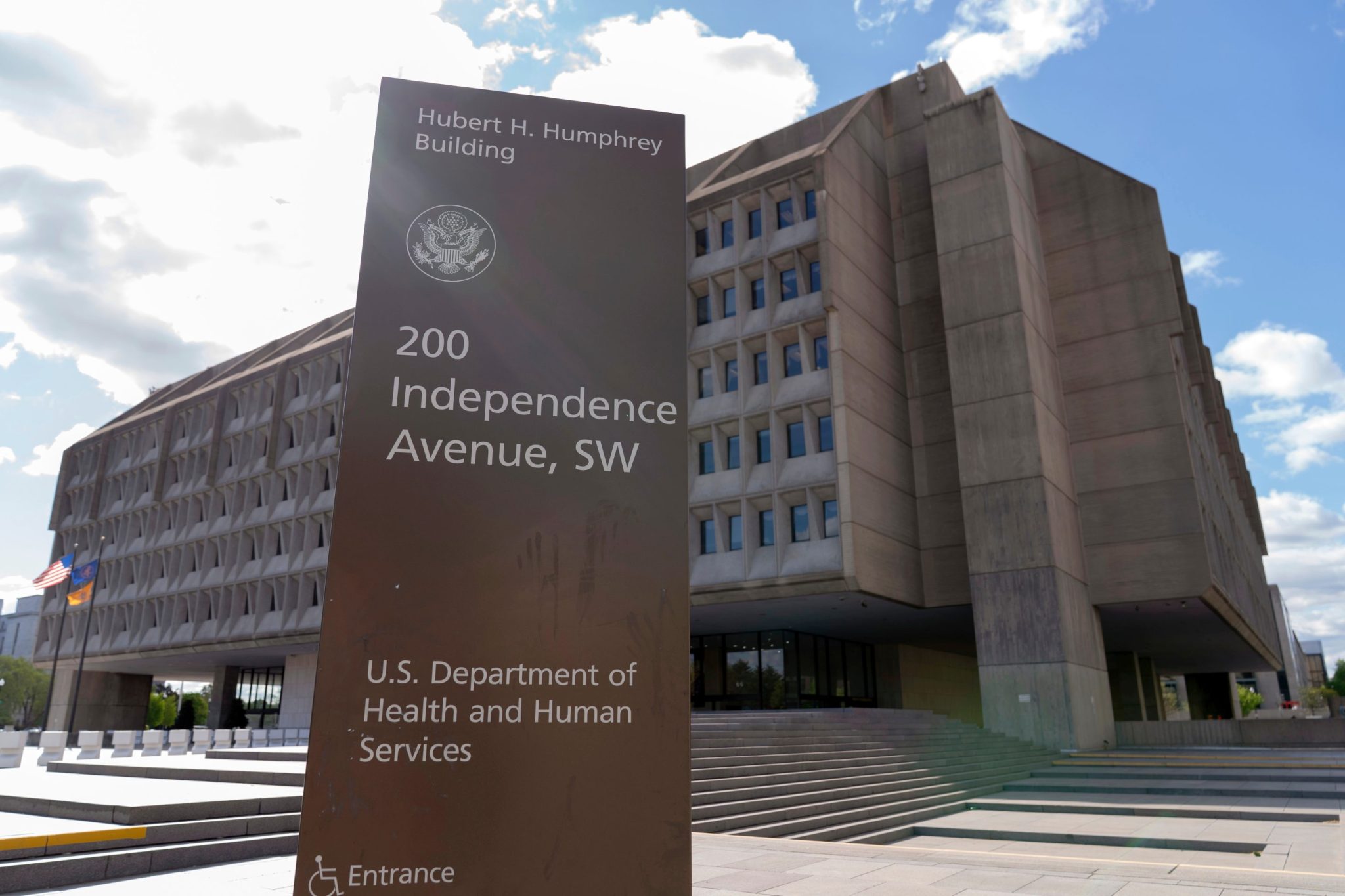
Trump fights fraud by freezing funding for New York’s Medicaid Fraud Control Unit
Tim Walz pardons illegal alien despite HORRIFIC child sex crimes — which may shield him from deportation