Today in News History
On July 2, several notable moments in the history of News stand out. In 1566, Nostradamus, French astrologer and author (born 1503) passed away. In 1645, Battle of Alford: Wars of the Three Kingdoms. In 1840, A Ms 7.4 earthquake strikes present-day Turkey and Armenia; combined with the effects of an eruption on Mount Ararat, kills 10,000 people. In 1940, World War II: The SS Arandora Star is sunk by U-47 in the North Atlantic with the loss of over 800 lives, mostly civilians. In 1947, Ann Taylor, Baroness Taylor of Bolton, English politician, Minister for International Security Strategy was born. In 1954, Chris Huhne, English journalist and politician, Secretary of State for Energy and Climate Change was born. In 1986, Aeroflot Flight 2306 crashes while attempting an emergency landing at Syktyvkar Airport in Syktyvkar, in present-day Komi Republic, Russia, killing 54 people. In 1997, The Bank of Thailand floats the baht, triggering the Asian financial crisis. In 2010, The South Kivu tank truck explosion in the Democratic Republic of the Congo kills at least 230 people. In 2013, A magnitude 6.1 earthquake strikes Aceh, Indonesia, killing at least 42 people and injuring 420 others. Together, these milestones provide historical context for today's news news and ongoing narratives.
Gas giants to reap $18 billion war windfall, reviving export tax calls
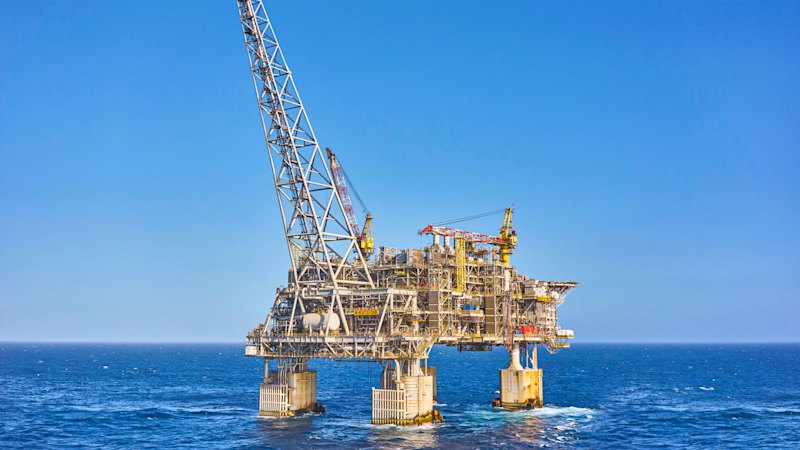
Australia’s gas companies are poised to cash in on a huge revenue surge in the fallout from the Iran war, intensifying calls for higher taxes.
Narrative Intelligence Brief
This article was published by Brisbane Times, a source frequently categorized with a center bias based in Australia. Our narrative intelligence engine continuously monitors coverage from this outlet to track framing, bias, and rhetorical patterns. Our initial algorithmic scan of this specific piece did not flag high-confidence rhetorical techniques, suggesting a generally straightforward reporting style or neutral framing. By understanding the editorial perspective of Brisbane Times, readers can better contextualize the information presented and compare it across our broader media matrix to find the real narrative.
More from Brisbane Times
July 2, 2026
Serena and out, Joint loses in three sets; Princess of Wales attends Wimbledon, de Minaur advances
July 2, 2026
Russian attack kills at least 20, injures scores and causes damage across Ukraine capital
July 2, 2026
Superquiz, Friday, July 3
July 2, 2026
Demon downs Mannarino
July 2, 2026
Wimbledon 2026 LIVE: Joint, Eala forced into third set decider; Princess of Wales watches on as ‘the Demon’ advances
Analysis Methodology
This narrative analysis was generated using the CoDataLab Global Intelligence Engine. Our proprietary AI scans thousands of cross-border sources to identify sentiment patterns, framing techniques, and potential media bias. While AI provides the data-driven foundation, our objective is to empower readers with additional context beyond the standard headline.The content displayed above is a structured summary designed for rapid information processing. For the full original report, please visit the source outlet.More Coverage
Discussion
"trump"
✈️ America’s Most Corrupt President Rides World’s Largest Metaphor for Corruption
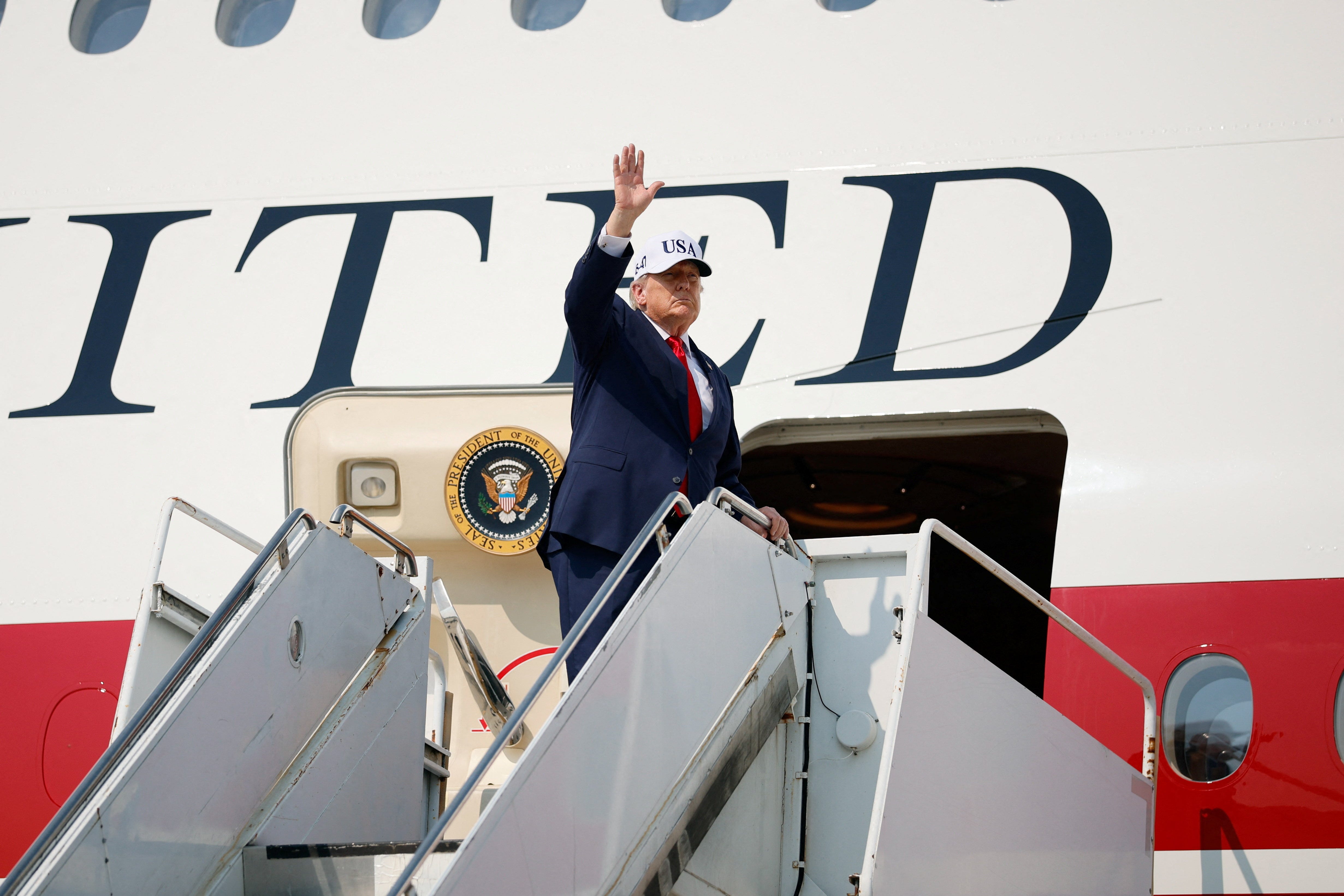
‘A witches’ brew’: Washington’s ethics establishment reacts to Trump’s $2.2 billion windfall — they’re shocked but not surprised

Man Genuinely Upset That Trump Has Ruined America’s 250th Birthday for Him