
Today in News History
On July 12, several notable moments in the history of News stand out. In 1850, Robert Stevenson, Scottish engineer (born 1772) passed away. In 1895, Buckminster Fuller, American architect and engineer, designed the Montreal Biosphère (died 1983) was born. In 1913, Willis Lamb, American physicist and academic, Nobel Prize laureate (died 2008) was born. In 1928, Elias James Corey, American chemist and academic, Nobel Prize laureate was born. In 1933, Victor Poor, American engineer, developed the Datapoint 2200 (died 2012) was born. In 1935, Satoshi Ōmura, Japanese biochemist and academic, Nobel Prize laureate was born. In 1948, Israeli Prime Minister David Ben-Gurion orders the expulsion of Palestinians from the towns of Lod and Ramla. In 1959, David Brown, Australian meteorologist was born. In 1992, Luke Berry, English footballer was born. In 1997, Malala Yousafzai, Pakistani-English activist, Nobel Prize laureate was born. Together, these milestones provide historical context for today's news news and ongoing narratives.
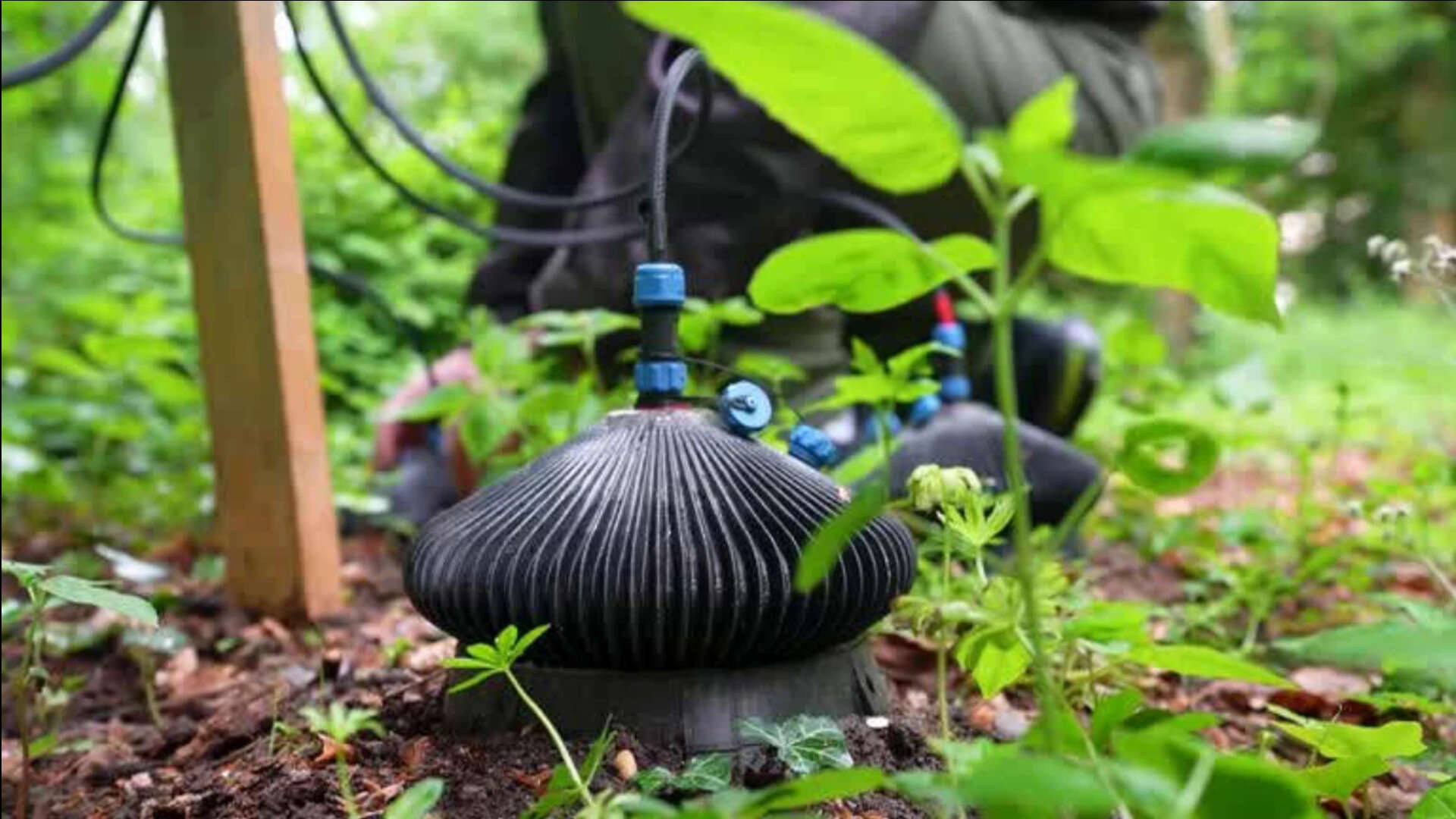
Garden Soil Powers Electronics: Bactery taps microbes for clean energy; aims at farm sensors and future homes
Narrative Analysis: Card Stacking
Narrative Intelligence Brief
This article was published by Times of India, a source frequently categorized with a lean right bias based in India. Our narrative intelligence engine continuously monitors coverage from this outlet to track framing, bias, and rhetorical patterns. In this specific piece, our systems detected the potential use of the "Card Stacking" technique. This narrative approach is often used to shape reader perception by highlighting specific emotional or rhetorical angles. By understanding the editorial perspective of Times of India, readers can better contextualize the information presented and compare it across our broader media matrix to find the real narrative.
More from Times of India
July 12, 2026
Why US, EU and 13 nations are backing 2016 South China Sea ruling against Beijing's claims
July 12, 2026
Watch: Bison flings man eight feet into air in dramatic attack at US Yellowstone National Park
July 12, 2026
Former UK politician Ann Widdecombe murder probe: Police arrest 28-year-old man
July 12, 2026
Qatar’s former Emir Sheikh Hamad bin Khalifa Al Thani passes away at 74
July 12, 2026
Canada gives share of bridge profits to US to get Trump nod
Reliability Insights
P
Technique: Card Stacking
System analysis detected use of specific narrative techniques in this piece.Analysis Methodology
This narrative analysis was generated using the CoDataLab Global Intelligence Engine. Our proprietary AI scans thousands of cross-border sources to identify sentiment patterns, framing techniques, and potential media bias. While AI provides the data-driven foundation, our objective is to empower readers with additional context beyond the standard headline.The content displayed above is a structured summary designed for rapid information processing. For the full original report, please visit the source outlet.More Coverage
Discussion
"lindsey graham"



How other outlets are covering this story
Compare narratives across 6 related reports from 6 sources. Real Narrative News aggregates the coverage spectrum so you can see who emphasises what — bias tags reflect the outlet, not the story.
Coverage bias distribution
6 sources
Left 17%
Center 33%
Right 33%
Science Daily
· Jun 29, 2026
These tiny soil microbes could rescue crops from salty farmland
Researchers have discovered that beneficial soil bacteria give plants an unexpected survival advantage in salty soils. Instead of helping plants keep salt out, the microbes stimulate the production of lignin, a natural compound that strengthens roots and makes plants more resilient. Greenhouse and field tests showed healthier plants and higher yields in salty conditions. The findings could lead to bio-based treatments that help farmers grow crops on land once considered too salty for agriculture.
Times of India
· Jul 8, 2026
Cambridge scientists create a living bio-battery that generates electricity around the clock using algae and could replace millions of disposable batteries
Cambridge scientists create a living bio-battery that generates electricity around the clock using algae and could replace millions of disposable batteries
The Hindu BusinessLine
· Jun 29, 2026
Zero cost, higher returns: Gujarat’s Dahod farmers find success with natural farming
Supported by the ATMA Project, farmers are using natural inputs such as Jeevamrut and Ghan Jeevamrut instead of chemical fertilisers
Digital Trends
· Jun 26, 2026
Bacteria could be the secret sauce to keeping your computers cool
A new study finds that bacteria can grow materials that cool electronics far better than current options, offering a sustainable fix for overheating devices.
Business Today
· Jul 8, 2026
Air Revolution: Meet India’s Mobile Liquid Tree That Filters Pollution While Charging Your Devices
India’s mobile Smart Algal Liquid Tree (SALT) cleans air using microalgae, filters pollution, releases oxygen, and charges devices, offering urban sustainability.
Associated Press
· Jun 23, 2026
UN secretary-general says AI companies should share info about what's used to power their systems
United Nations Secretary-General António Guterres this week called on AI companies to release information about the carbon pollution they create, along with the water and land used to power their operations. Guterres said they should also commit to powering their facilities with electricity produced with renewable technologies by 2030. #shorts #un #ai #london
Topics:
Related coverage for "Garden Soil Powers Electronics: Bactery taps microbes for clean energy; aims at farm sensors and future homes": Science Daily — These tiny soil microbes could rescue crops from salty farmland. Times of India — Cambridge scientists create a living bio-battery that generates electricity around the clock using algae and could replace millions of disposable batteries. The Hindu BusinessLine — Zero cost, higher returns: Gujarat’s Dahod farmers find success with natural farming. Digital Trends — Bacteria could be the secret sauce to keeping your computers cool. Business Today — Air Revolution: Meet India’s Mobile Liquid Tree That Filters Pollution While Charging Your Devices. Associated Press — UN secretary-general says AI companies should share info about what's used to power their systems