Today in News History
On June 20, several notable moments in the history of News stand out. In 1946, Xanana Gusmão, Timorese soldier and politician, 1st President of East Timor was born. In 1956, A Venezuelan Super-Constellation crashes in the Atlantic Ocean off Asbury Park, New Jersey, killing 74 people. In 1960, The Mali Federation gains independence from France (it later splits into Mali and Senegal). In 1963, Following the Cuban Missile Crisis, the Soviet Union and the United States sign an agreement to establish the so-called "red telephone" link between Washington, D.C., and Moscow. In 1972, Watergate scandal: An .mw-parser-output .frac{white-space:nowrap}.mw-parser-output .frac .num,.mw-parser-output .frac .den{font-size:80%;line-height:0;vertical-align:super}.mw-parser-output .frac .den{vertical-align:sub}.mw-parser-output .sr-only{border:0;clip:rect(0,0,0,0);clip-path:polygon(0px 0px,0px 0px,0px 0px);height:1px;margin:-1px;overflow:hidden;padding:0;position:absolute;width:1px}18+1⁄2-minute gap appears in the tape recording of the conversations between U.S. President Richard Nixon and his advisers regarding the recent arrests of his operatives while breaking into the Watergate complex. In 1975, Suzanne Comhaire-Sylvain, Haitian anthropologist (born 1898) passed away. In 1982, The International Conference on the Holocaust and Genocide opens in Tel Aviv, despite attempts by the Turkish government to cancel it, as it included presentations on the Armenian genocide. In 1990, Mohamed Mbougar Sarr, Senegalese writer was born. In 1991, Kalidou Koulibaly, Senegalese footballer was born. In 2019, Iran's Air Defense Forces shoot down an American surveillance drone over the Strait of Hormuz amid rising tensions between the two countries. Together, these milestones provide historical context for today's news news and ongoing narratives.
From screens to strategy: Is Ghana finally ready to close the digital divide for every child?
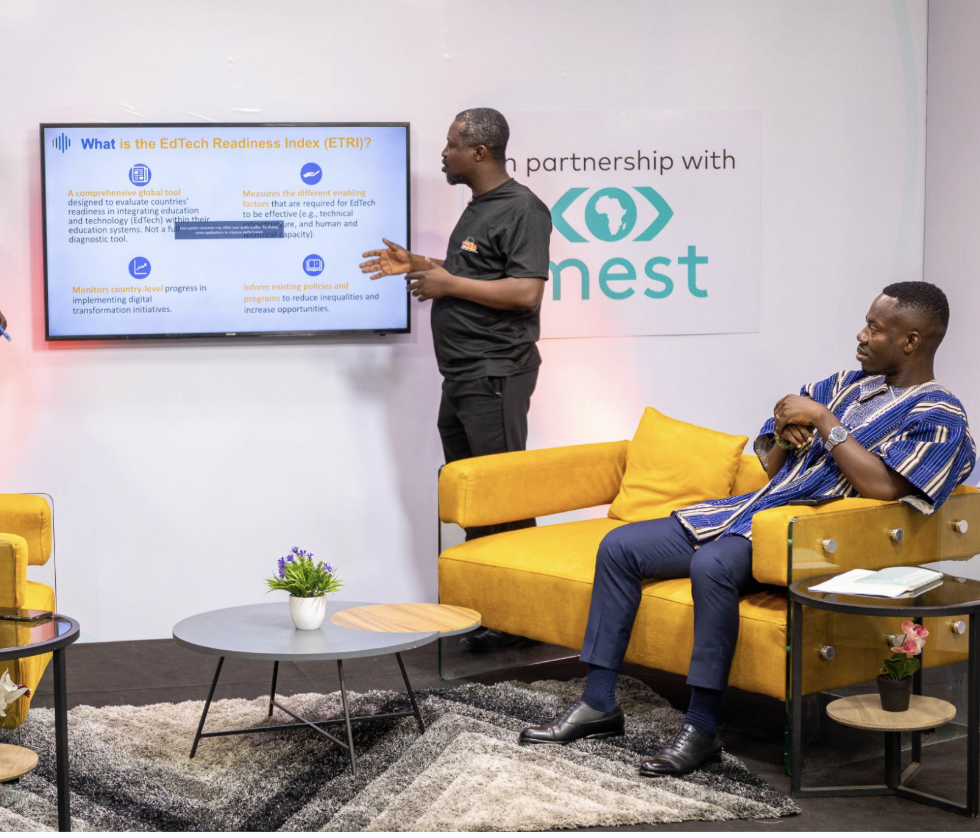
n an era where a child’s future is increasingly determined by their digital proficiency, a haunting question looms over Ghana’s education system: Will your child be left behind? For years, Ghana’s journey into Educational Technology (EdTech) has felt like a patchwork quilt with plenty of vibrant patches, but no single thread holding them together. We’ve seen laptops distributed in some districts while others lack electricity; we’ve seen high-end apps developed while teachers struggle with basic digital literacy. This fragmented landscape was the focal point of the February 2026 edition of EdTech Mondays Ghana, aired on MEST Africa’s YouTube Channel. The episode, titled “Leaving No Child Behind: Ghana’s Draft EdTech Strategy,” signalled a pivotal shift from random acts of technology to a unified national vision.
Narrative Intelligence Brief
This article was published by MyJoyOnline, a source frequently categorized with a center bias based in Ghana. Our narrative intelligence engine continuously monitors coverage from this outlet to track framing, bias, and rhetorical patterns. Our initial algorithmic scan of this specific piece did not flag high-confidence rhetorical techniques, suggesting a generally straightforward reporting style or neutral framing. By understanding the editorial perspective of MyJoyOnline, readers can better contextualize the information presented and compare it across our broader media matrix to find the real narrative.
More from MyJoyOnline
June 20, 2026
Saibari screamer seals Morocco victory against Scotland
June 20, 2026
Hundreds stranded as downpour triggers transport chaos on Madina-Adenta stretch
June 19, 2026
This Saturday on ‘Prime Insight’: Multiple resignations and Ofori-Atta saga to dominate discussions
June 19, 2026
This Saturday on Newsfile: Student safety and discipline, Ofori-Atta’s Green Card and big resignations
June 19, 2026
GES must stop the 19th century administrative process now and fully activate GESIMS
Analysis Methodology
This narrative analysis was generated using the CoDataLab Global Intelligence Engine. Our proprietary AI scans thousands of cross-border sources to identify sentiment patterns, framing techniques, and potential media bias. While AI provides the data-driven foundation, our objective is to empower readers with additional context beyond the standard headline.The content displayed above is a structured summary designed for rapid information processing. For the full original report, please visit the source outlet.More Coverage
Discussion
"usa"
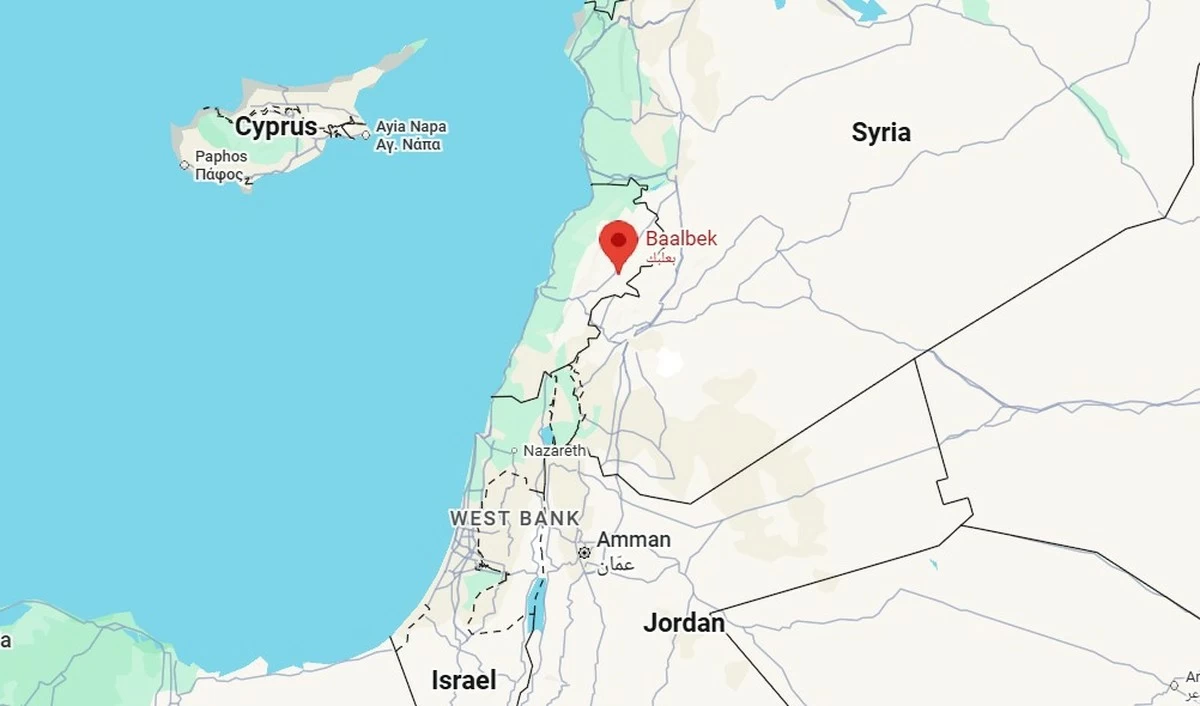
‘No One Tells Us What to Do’: Israel’s Katz Defies Criticism as Strikes Hit Lebanon's Baalbek
Harry Souttar and Aiden O’Neill reflect on US defeat

A Local Train System Is on a World Stage, and Everyone’s a Critic