Today in News History
On June 27, several notable moments in the history of News stand out. In 1869, Hans Spemann, German embryologist and academic, Nobel Prize laureate (died 1941) was born. In 1927, Bob Keeshan, American actor and producer (died 2004) was born. In 1931, Martinus J. G. Veltman, Dutch physicist and academic, Nobel Prize laureate (died 2021) was born. In 1938, Konrad Kujau, German illustrator (died 2000) was born. In 1964, Stephan Brenninkmeijer, Dutch director, producer, and screenwriter was born. In 1965, Óscar Vega, Spanish boxer was born. In 1965, S. Manikavasagam, Malaysian politician and social activist was born. In 1967, Vasiliy Kaptyukh, Belarusian discus thrower was born. In 1985, Svetlana Kuznetsova, Russian tennis player was born. In 1989, A. J. Ayer, English philosopher and academic (born 1910) passed away. Together, these milestones provide historical context for today's news news and ongoing narratives.
From Kuantan to ‘Oscars of science’: top Malaysian scientist is constantly adapting
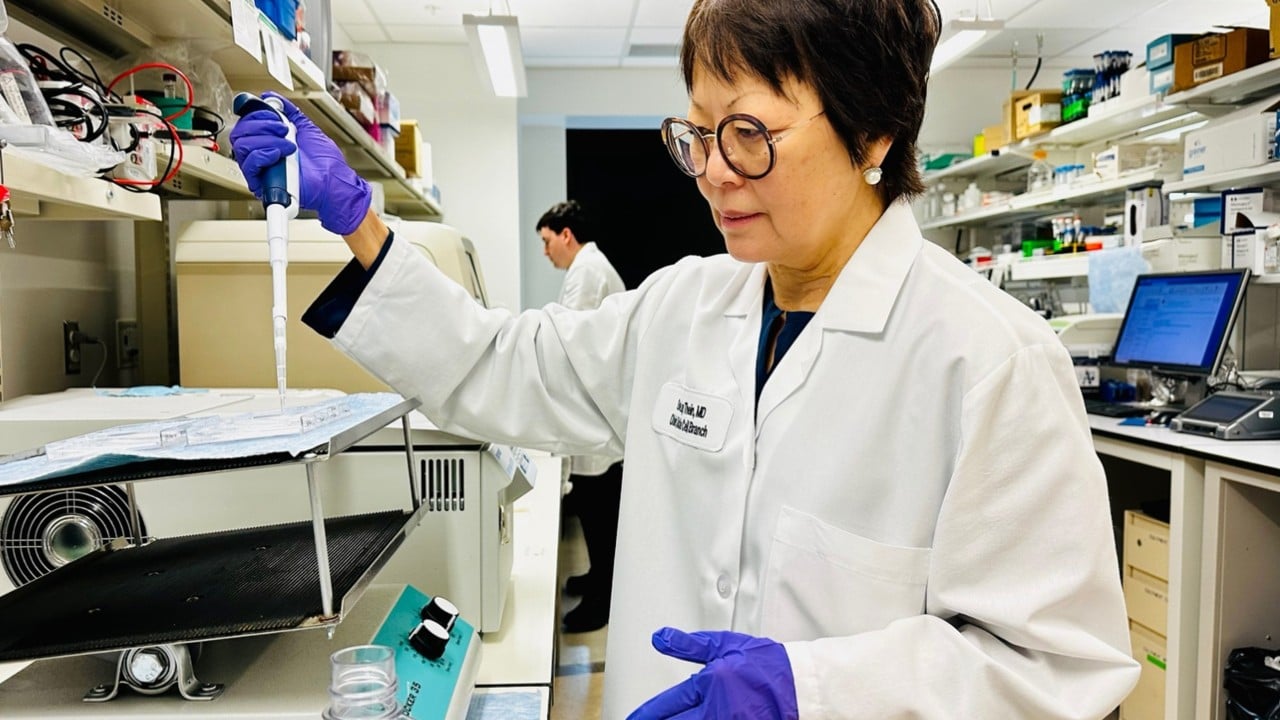
For Dr Thein Swee Lay, the only Malaysian scientist to have won the Breakthrough Prize, cracking a code in gene therapy was easier than hunting down an authentic version of her hometown popiah – or spring rolls – in the US, where she has been based for years. “I have not come across a Malaysian restaurant that sells good popiah. I miss it,” Thein told This Week in Asia in an exclusive interview where she fondly reminisced about her childhood in Malaysia’s coastal town of Kuantan. Thein, the...
Narrative Intelligence Brief
This article was published by South China Morning Post, a source frequently categorized with a lean left bias based in Hong Kong. Our narrative intelligence engine continuously monitors coverage from this outlet to track framing, bias, and rhetorical patterns. Our initial algorithmic scan of this specific piece did not flag high-confidence rhetorical techniques, suggesting a generally straightforward reporting style or neutral framing. By understanding the editorial perspective of South China Morning Post, readers can better contextualize the information presented and compare it across our broader media matrix to find the real narrative.
More from South China Morning Post
June 27, 2026
Filipino teenager, 17, drowns after falling from Peng Chau bridge in Hong Kong
June 27, 2026
China removes 6 generals from legislature as military anti-corruption drive continues
June 27, 2026
Dozens arrested in Indonesia after anti-government protest turns violent
June 27, 2026
Baby Danny’s 3-year care order can be cut short if in best interests: Hong Kong minister
June 27, 2026
Iran survived 3 months of war. Can it survive the aftermath?
Analysis Methodology
This narrative analysis was generated using the CoDataLab Global Intelligence Engine. Our proprietary AI scans thousands of cross-border sources to identify sentiment patterns, framing techniques, and potential media bias. While AI provides the data-driven foundation, our objective is to empower readers with additional context beyond the standard headline.The content displayed above is a structured summary designed for rapid information processing. For the full original report, please visit the source outlet.More Coverage
Discussion
"cape verde"
Cape Verde becomes tiniest nation to make World Cup knockouts

Cape Verde 0-0 Saudi Arabia: Debutants make history as three draws prove enough for knockout glory
/https%3A%2F%2Fsportsmole-media-prod.s3.gra.io.cloud.ovh.net%2Fuploads%2F2026%2F06%2Fcape-verde-6a3f5388ac241246143914.jpg)
Vozinha Enters Elite Goalkeeper List As Cabo Verde Reach FIFA WC 2026 Knockouts