Today in News History
On July 2, several notable moments in the history of News stand out. In 626, Li Yuanji, Chinese prince (born 603) passed away. In 1884, Alfons Maria Jakob, German neurologist and author (died 1931) was born. In 1900, Sophie Harris, English costume and scenic designer for theatre and opera (died 1966) was born. In 1902, K. Kanapathypillai, Sri Lankan author and academic (died 1968) was born. In 1916, Zélia Gattai, Brazilian author and photographer (died 2008) was born. In 1922, Paula Valenska, Czech actress (died 1994) was born. In 1939, Alexandros Panagoulis, Greek poet and politician (died 1976) was born. In 1952, Sylvia Rivera, American transgender rights activist (died 2002) was born. In 1988, Lee Chung-yong, South Korean footballer was born. In 2010, The South Kivu tank truck explosion in the Democratic Republic of the Congo kills at least 230 people. Together, these milestones provide historical context for today's news news and ongoing narratives.
From grief support to robot cafes & marriage prospects: How AI is transforming daily life in South Korea
Narrative Analysis: Appeal to Fear
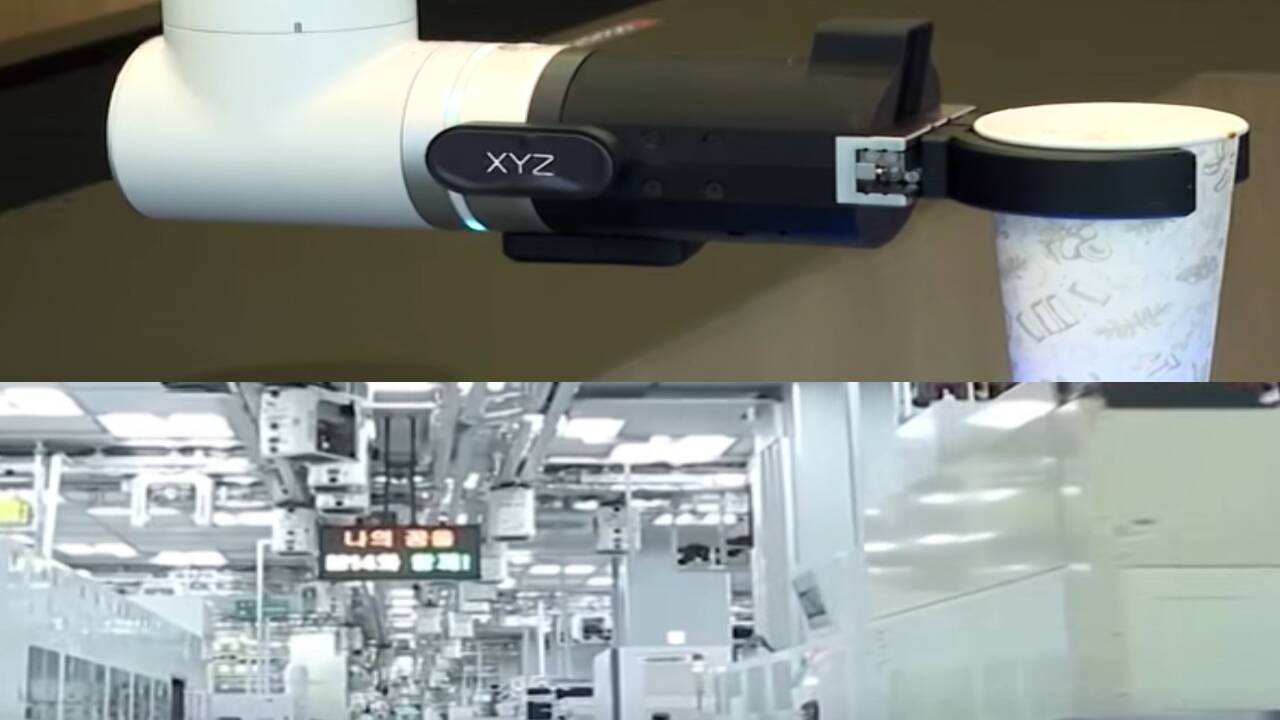
South Korea is rapidly integrating AI and robotics into daily life, from recreating deceased loved ones to powering unstaffed businesses. This surge is driven by an aging population and a national strategy to become a global AI leader, with massive investments in chips and robotics. The AI boom is also reshaping careers, making semiconductor engineers highly sought-after and influencing educational choices.
Narrative Intelligence Brief
This article was published by Times of India, a source frequently categorized with a lean right bias based in India. Our narrative intelligence engine continuously monitors coverage from this outlet to track framing, bias, and rhetorical patterns. In this specific piece, our systems detected the potential use of the "Appeal to Fear" technique. This narrative approach is often used to shape reader perception by highlighting specific emotional or rhetorical angles. By understanding the editorial perspective of Times of India, readers can better contextualize the information presented and compare it across our broader media matrix to find the real narrative.
More from Times of India
July 2, 2026
Unesco warns Pakistan over 'reconstructions' at Taxila, the Vedic-era city
July 2, 2026
Satellite images reveal a massive 5,000-mile seaweed belt stretching thousands of miles across the Atlantic
July 2, 2026
'Wrote about ending his life': Pilot who hit Beijing's tallest building suffered from anxiety
July 2, 2026
Iraqi 'Godfather of traffickers' found in UK seeking asylum under changed identity
July 2, 2026
Survivors of UK's historical forced adoptions to get apology from Starmer
Reliability Insights
P
Technique: Appeal to Fear
System analysis detected use of specific narrative techniques in this piece.Analysis Methodology
This narrative analysis was generated using the CoDataLab Global Intelligence Engine. Our proprietary AI scans thousands of cross-border sources to identify sentiment patterns, framing techniques, and potential media bias. While AI provides the data-driven foundation, our objective is to empower readers with additional context beyond the standard headline.The content displayed above is a structured summary designed for rapid information processing. For the full original report, please visit the source outlet.More Coverage
Discussion
"trump"
Disturbing Reality of Trump’s Huge July 4 Fireworks Display Exposed

Donald Trump embarrasses himself with erroneous UFC White House brag

Trump DOJ Sues Gavin Newsom’s California Over Glock Ban