Today in News History
On July 4, several notable moments in the history of News stand out. In 1551, Gregory Cromwell, 1st Baron Cromwell, English politician (born 1514) passed away. In 1892, Western Samoa changes the International Date Line, causing Monday (July 4) to occur twice, resulting in a leap year with 367 days. In 1914, The funeral of Archduke Franz Ferdinand and his wife Sophie takes place in Vienna, six days after their assassinations in Sarajevo. In 1918, World War I: The Battle of Hamel, a successful attack by the Australian Corps against German positions near the town of Le Hamel on the Western Front. In 1918, Eric Bedser, English cricketer (died 2006) was born. In 1942, World War II: The 250-day Siege of Sevastopol in the Crimea ends when the city falls to Axis forces. In 1950, Philip Craven, English basketball player and swimmer was born. In 1969, Wilfred Mugeyi, Zimbabwean footballer and coach was born. In 2013, Onllwyn Brace, Welsh rugby player and sportscaster (born 1932) passed away. In 2024, The Labour Party, led by Keir Starmer, wins a landslide majority in the 2024 United Kingdom general election, ending 14 years of Conservative government. Together, these milestones provide historical context for today's news news and ongoing narratives.
Five and a half hours that left England's World Cup tie in chaos
For several hours on Friday, no-one seemed to know when England's World Cup last-16 match against co-hosts Mexico would kick off. BBC Sport tells how a story of confusion and anger - culminating in a Fifa U-turn - unfolded.
Narrative Intelligence Brief
This article was published by BBC Sport, a source frequently categorized with a lean left bias based in United Kingdom. Our narrative intelligence engine continuously monitors coverage from this outlet to track framing, bias, and rhetorical patterns. Our initial algorithmic scan of this specific piece did not flag high-confidence rhetorical techniques, suggesting a generally straightforward reporting style or neutral framing. By understanding the editorial perspective of BBC Sport, readers can better contextualize the information presented and compare it across our broader media matrix to find the real narrative.
More from BBC Sport
July 4, 2026
Who am I? Guess World Cup star No 27
July 4, 2026
Murals, flags and beef dishes - Messi mania takes hold in Miami
July 4, 2026
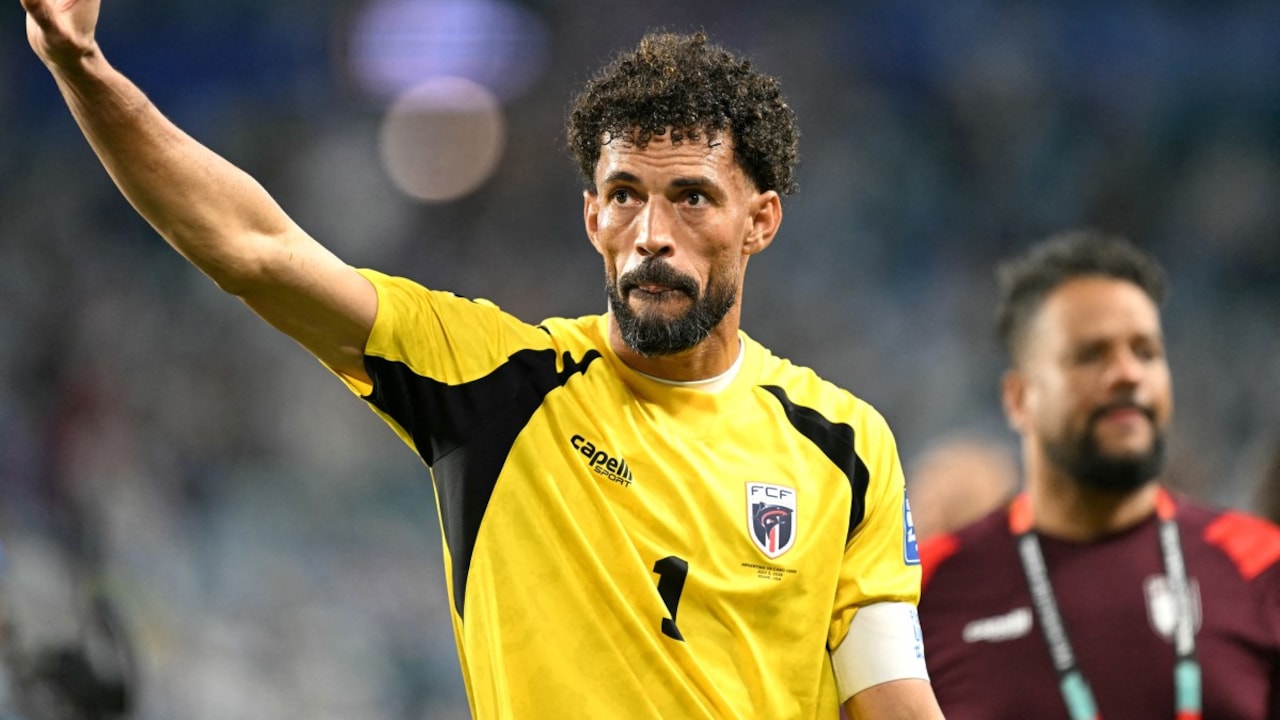
Farewell Cape Verde - the underdogs the World Cup will never forget
July 4, 2026
Argentina overcome Cape Verde in extra-time thriller
July 4, 2026
'What a strike!' - Cabral hits brilliant goal to draw Cape Verde level in extra time
Analysis Methodology
This narrative analysis was generated using the CoDataLab Global Intelligence Engine. Our proprietary AI scans thousands of cross-border sources to identify sentiment patterns, framing techniques, and potential media bias. While AI provides the data-driven foundation, our objective is to empower readers with additional context beyond the standard headline.The content displayed above is a structured summary designed for rapid information processing. For the full original report, please visit the source outlet.More Coverage
Discussion
"argentina"
Un día como hoy: Argentina silenció a Italia en su casa | Vive el Mundial
Bruised Lionel Messi warns Argentina after struggle vs Cape Verde at World Cup: ‘There were many negatives’
"Grateful For Everything": Vozinha On Cabo Verde's Memorable FIFA World Cup