Today in News History
On June 22, several notable moments in the history of News stand out. In 1911, Mexican Revolution: Government forces bring an end to the Magonista rebellion of 1911 in the Second Battle of Tijuana. In 1932, Soraya Esfandiary-Bakhtiari, Princess of Iran (died 2001) was born. In 1940, World War II: France is forced to sign the Second Compiègne armistice with Germany, in the same railroad car in which the Germans signed the Armistice in 1918. In 1944, World War II: Opening day of the Soviet Union's Operation Bagration against the Army Group Centre. In 1950, Zenonas Petrauskas, Lithuanian lawyer and politician (died 2009) was born. In 1950, Adrian Năstase, Romanian lawyer and politician, 59th Prime Minister of Romania was born. In 1956, Shah Mehmood Qureshi, Pakistani agriculturist and politician, 25th Pakistani Minister of Foreign Affairs was born. In 1965, The Treaty on Basic Relations between Japan and the Republic of Korea is signed. In 2002, An earthquake measuring 6.5 Mw strikes a region of northwestern Iran killing at least 261 people and injuring 1,300 others and eventually causing widespread public anger due to the slow official response. In 2014, Fouad Ajami, Lebanese-American author and academic (born 1945) passed away. Together, these milestones provide historical context for today's news news and ongoing narratives.
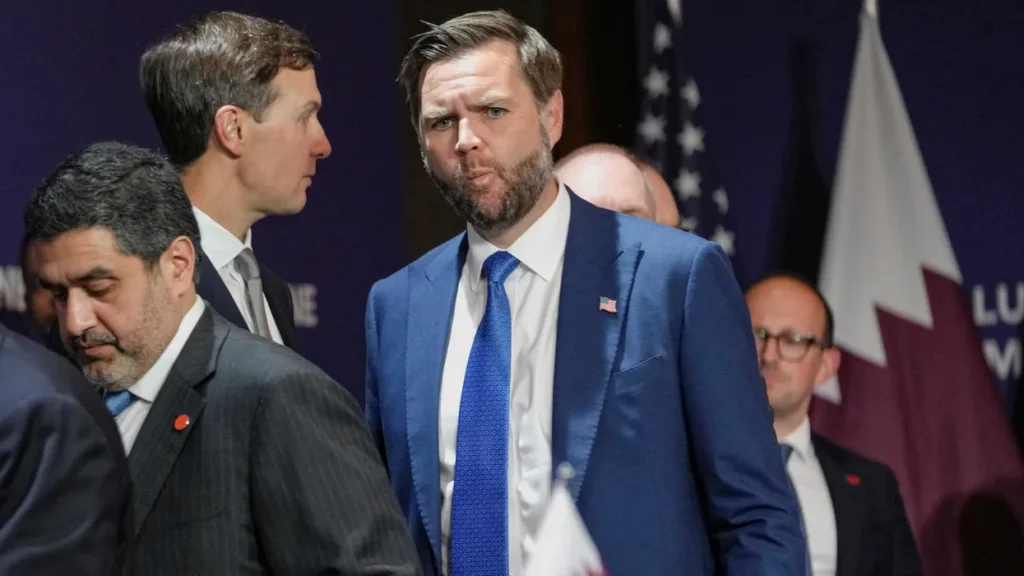
First round of US-Iran talks ends with 'encouraging progress', mediators say

The US-Iran talks began on Sunday in Switzerland, after last week's agreement, which includes a commitment to reach a final deal within 60 days.
Narrative Intelligence Brief
This article was published by BBC News, a source frequently categorized with a center bias based in United Kingdom. Our narrative intelligence engine continuously monitors coverage from this outlet to track framing, bias, and rhetorical patterns. Our initial algorithmic scan of this specific piece did not flag high-confidence rhetorical techniques, suggesting a generally straightforward reporting style or neutral framing. By understanding the editorial perspective of BBC News, readers can better contextualize the information presented and compare it across our broader media matrix to find the real narrative.
More from BBC News
June 22, 2026
Paedophile nursery worker could have been stopped sooner, says former colleague
June 22, 2026
Toy Story 5 scores record opening weekend for franchise
June 22, 2026
Toy Story 5 scores franchise record for opening weekend
June 22, 2026
First round of US-Iran talks end with 'encouraging progress', mediators say
June 22, 2026
Trump-backed political outsider wins Colombia election, initial count shows
Analysis Methodology
This narrative analysis was generated using the CoDataLab Global Intelligence Engine. Our proprietary AI scans thousands of cross-border sources to identify sentiment patterns, framing techniques, and potential media bias. While AI provides the data-driven foundation, our objective is to empower readers with additional context beyond the standard headline.The content displayed above is a structured summary designed for rapid information processing. For the full original report, please visit the source outlet.More Coverage
Discussion
"trump"
Trump Marks Father’s Day With Angry Rant

When I moved to Texas people warned me about the Trump-mad lunatics. I’ve been surprised

‘Slowly, then very quickly’: Economist shares striking warning as Trump’s war deal falters