Today in News History
On July 2, several notable moments in the history of News stand out. In 1613, The first English expedition (from Virginia) against Acadia led by Samuel Argall takes place. In 1776, American Revolution: The Continental Congress adopts the Lee Resolution severing ties with the Kingdom of Great Britain, although the wording of the formal Declaration of Independence is not adopted until July 4. In 1921, World War I: U.S. President Warren G. Harding signs the Knox-Porter Resolution formally ending the war between the United States and Germany. In 1954, Chris Huhne, English journalist and politician, Secretary of State for Energy and Climate Change was born. In 1961, Ernest Hemingway, American novelist, short story writer, and journalist, Nobel Prize laureate (born 1899) passed away. In 1966, France conducts its first nuclear weapon test in the Pacific, on Moruroa Atoll. In 1986, Rodrigo Rojas and Carmen Gloria Quintana are burnt alive during a street demonstration against the dictatorship of General Augusto Pinochet in Chile. In 1986, Aeroflot Flight 2306 crashes while attempting an emergency landing at Syktyvkar Airport in Syktyvkar, in present-day Komi Republic, Russia, killing 54 people. In 2012, Julian Goodman, American journalist (born 1922) passed away. In 2016, Elie Wiesel, Holocaust survivor, activist, and author (born 1928) passed away. Together, these milestones provide historical context for today's news news and ongoing narratives.
Finding freedom from the heat on July 4th will be a challenge in eastern US
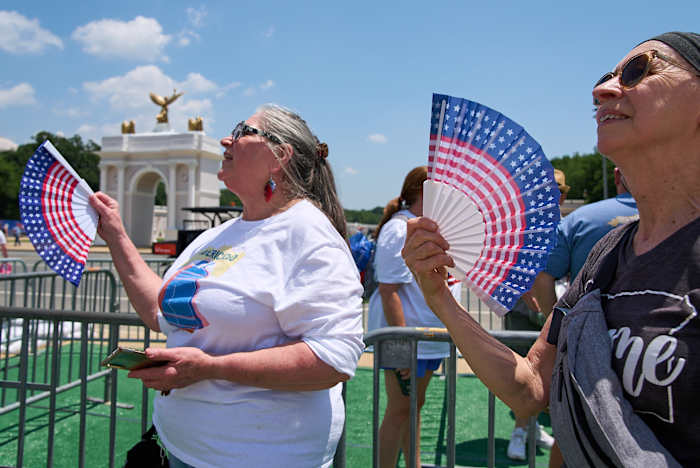
Gaining freedom from the heat will be a challenge this Independence Day in the eastern U.S., and it's already starting ahead of the holiday weekend.
Narrative Intelligence Brief
This article was published by KSAT San Antonio, a source frequently categorized with a center bias based in United States of America. Our narrative intelligence engine continuously monitors coverage from this outlet to track framing, bias, and rhetorical patterns. Our initial algorithmic scan of this specific piece did not flag high-confidence rhetorical techniques, suggesting a generally straightforward reporting style or neutral framing. By understanding the editorial perspective of KSAT San Antonio, readers can better contextualize the information presented and compare it across our broader media matrix to find the real narrative.
More from KSAT San Antonio
July 2, 2026
Hunt ISD establishes new awards to honor children lost in deadly July 4 floods
July 2, 2026
A lucky few could see a shower this holiday weekend
July 2, 2026
Tiger Woods’ hospital records will be handed over to prosecutors in Florida DUI case, judge rules
July 2, 2026
GCSO: 45 dogs euthanized in 3 weeks after parvovirus outbreak at Guadalupe County Animal Shelter
July 2, 2026
Average 30-year US mortgage rate falls to 6.43%, its lowest level in seven weeks
Analysis Methodology
This narrative analysis was generated using the CoDataLab Global Intelligence Engine. Our proprietary AI scans thousands of cross-border sources to identify sentiment patterns, framing techniques, and potential media bias. While AI provides the data-driven foundation, our objective is to empower readers with additional context beyond the standard headline.The content displayed above is a structured summary designed for rapid information processing. For the full original report, please visit the source outlet.More Coverage
Discussion
"trump"
✈️ America’s Most Corrupt President Rides World’s Largest Metaphor for Corruption
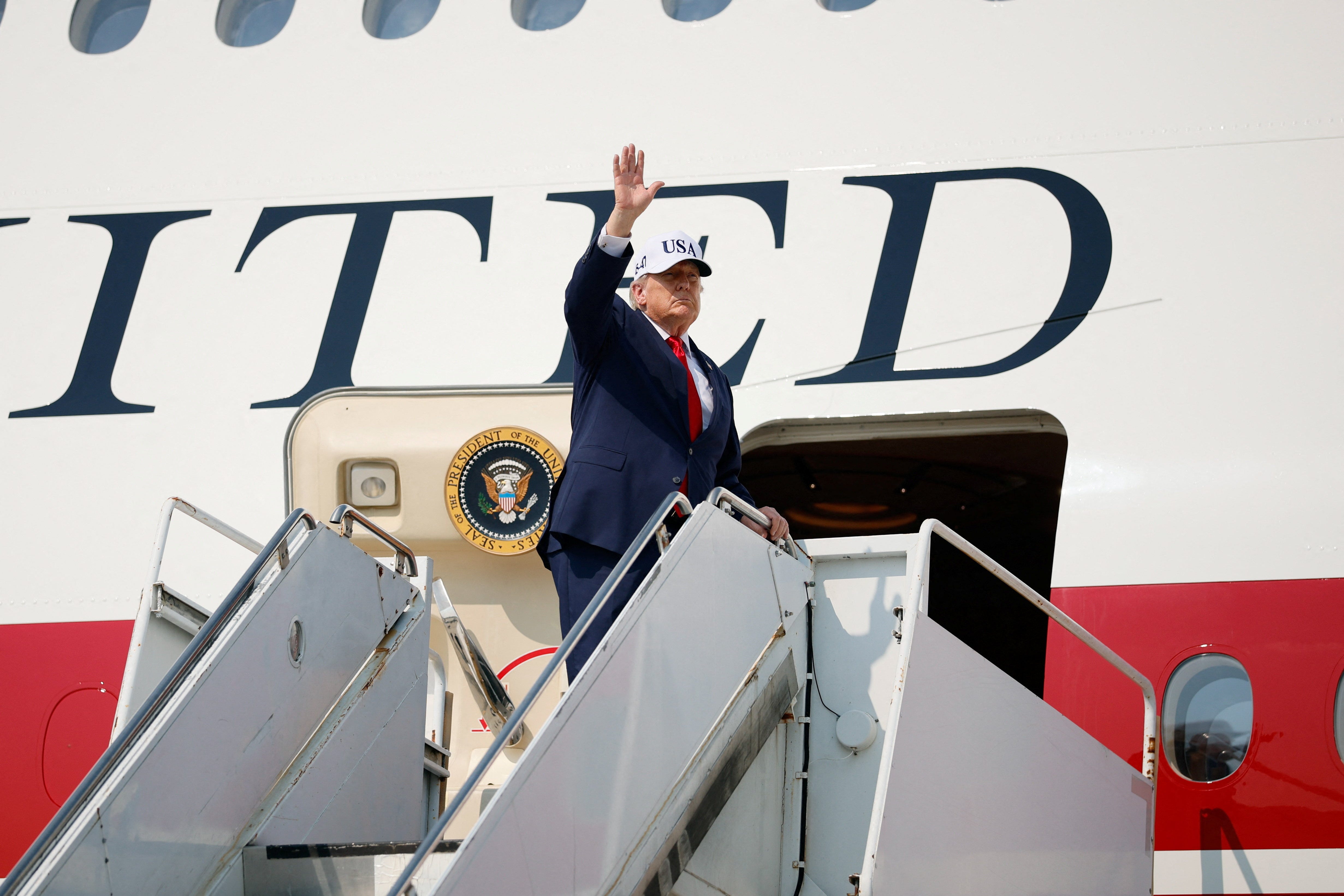
‘A witches’ brew’: Washington’s ethics establishment reacts to Trump’s $2.2 billion windfall — they’re shocked but not surprised
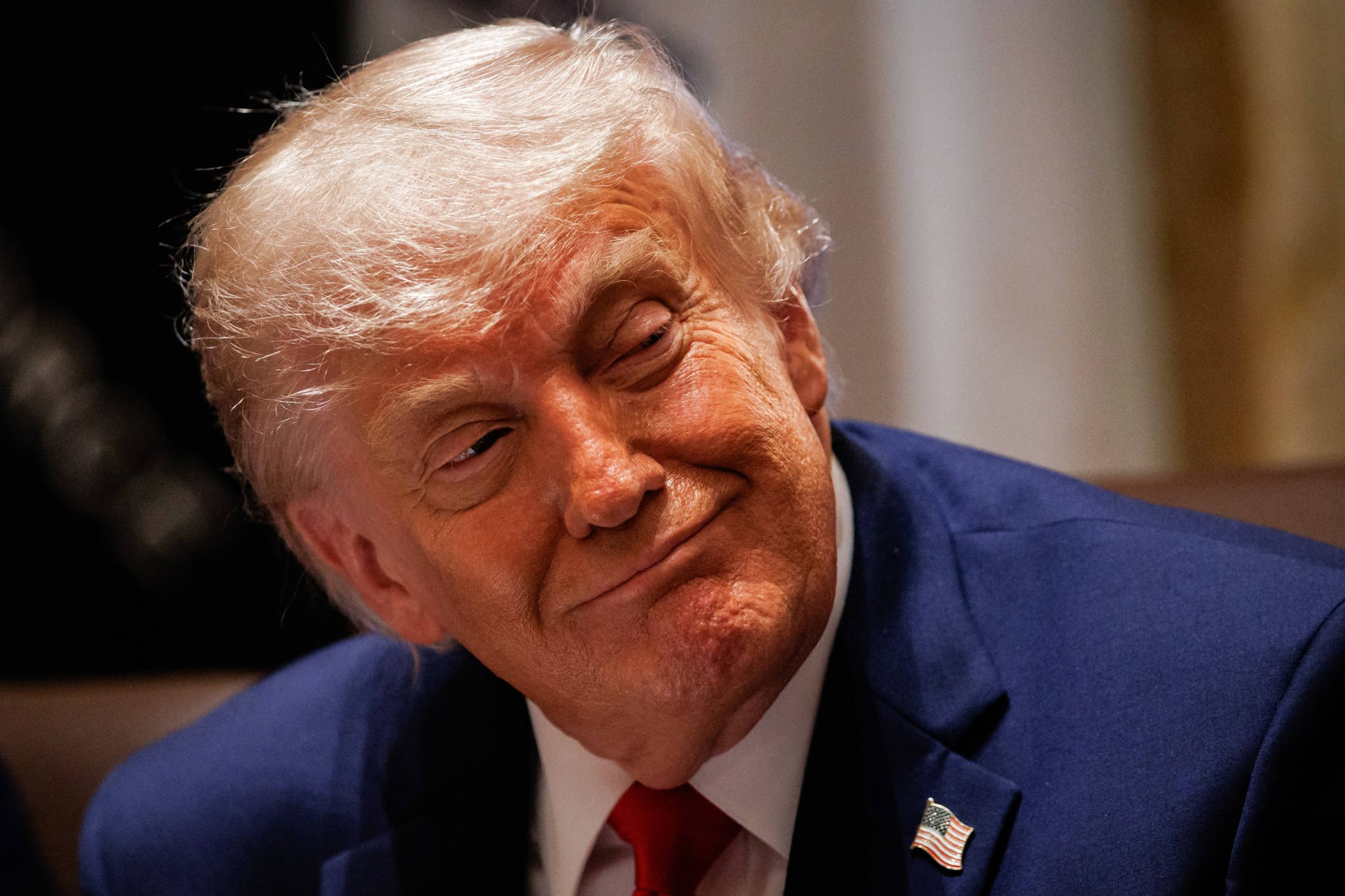
Man Genuinely Upset That Trump Has Ruined America’s 250th Birthday for Him