
Today in News History
On June 19, several notable moments in the history of News stand out. In 1861, José Rizal, Filipino journalist, author, and poet (died 1896) was born. In 1896, Rajani Palme Dutt, English journalist and politician (died 1974) was born. In 1917, Joshua Nkomo, Zimbabwean guerrilla leader and politician, Vice President of Zimbabwe (died 1999) was born. In 1957, Subcomandante Marcos, Mexican insurgent and EZLN leader was born. In 1973, Yuko Nakazawa, Japanese singer was born. In 2001, Stanley Mosk, American lawyer, jurist, and politician (born 1912) passed away. In 2008, Barun Sengupta, Bengali journalist, founded Bartaman (born 1934) passed away. In 2009, Mass riots involving over 10,000 people and 10,000 police officers break out in Shishou, China, over the dubious circumstances surrounding the death of a local chef. In 2010, Carlos Monsiváis, Mexican writer, journalist and political activist (born 1938) passed away. In 2013, Gyula Horn, Hungarian politician, 37th Prime Minister of Hungary (born 1932) passed away. Together, these milestones provide historical context for today's news news and ongoing narratives.
Filipinos do not trust the news. Are they sick of divisive politics?
Narrative Analysis: Name Calling
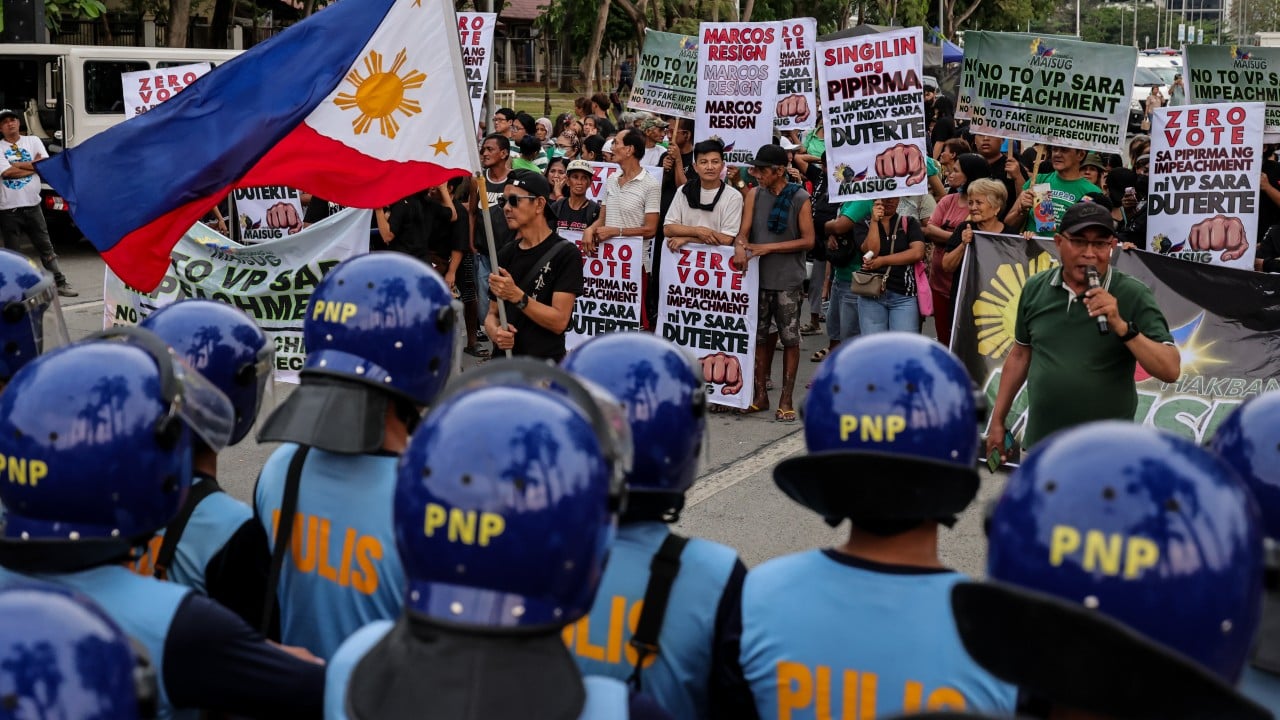
Filipinos are losing faith in the news faster than audiences almost anywhere else in the world, as analysts attribute the decline to years of sustained attacks on the Philippine media industry and the growing reach of influence operations on social media. Only 28 per cent of Filipinos said they trusted news most of the time, down from 38 per cent in 2025, according to the latest Reuters Institute Digital News Report – the steepest decline among respondents across 48 markets. The figure placed...
Narrative Intelligence Brief
This article was published by South China Morning Post, a source frequently categorized with a lean left bias based in Hong Kong. Our narrative intelligence engine continuously monitors coverage from this outlet to track framing, bias, and rhetorical patterns. In this specific piece, our systems detected the potential use of the "Name Calling" technique. This narrative approach is often used to shape reader perception by highlighting specific emotional or rhetorical angles. By understanding the editorial perspective of South China Morning Post, readers can better contextualize the information presented and compare it across our broader media matrix to find the real narrative.
More from South China Morning Post
June 19, 2026
Worlds apart? London mayor’s Singapore visit triggers clash over city reputations
June 19, 2026
‘It was scary’: 300 evacuated, 10 injured after fire breaks out at Japanese primary school
June 19, 2026
2 wars later, US-Iran nuclear diplomacy returns to square one
June 19, 2026
G7 rare earths, US-Iran peace deal, Summer Davos
June 19, 2026
Hong Kong singer Eason Chan snaps up US$23m home as celebrities flock to luxury property
Reliability Insights
P
Technique: Name Calling
System analysis detected use of specific narrative techniques in this piece.Analysis Methodology
This narrative analysis was generated using the CoDataLab Global Intelligence Engine. Our proprietary AI scans thousands of cross-border sources to identify sentiment patterns, framing techniques, and potential media bias. While AI provides the data-driven foundation, our objective is to empower readers with additional context beyond the standard headline.The content displayed above is a structured summary designed for rapid information processing. For the full original report, please visit the source outlet.More Coverage
Discussion
"donald trump"
Trump’s Disastrous Polling Gap Hits Record High

Trump critics say he ‘can’t get anyone to perform’ except for Kid Rock over Obama’s A-list event

Detail Everyone Missed from Trump’s G7 Entrance Is Going Viral Now
