
Today in News History
On July 2, several notable moments in the history of News stand out. In 1776, American Revolution: The Continental Congress adopts the Lee Resolution severing ties with the Kingdom of Great Britain, although the wording of the formal Declaration of Independence is not adopted until July 4. In 1797, Francisco Javier Echeverría, Mexican businessman and politician. President of Mexico (1841) (died 1852) was born. In 1834, Hendrick Peter Godfried Quack, Dutch economist and historian (died 1917) was born. In 1918, Indumati Bhattacharya, Indian politician (died 1990) was born. In 1921, World War I: U.S. President Warren G. Harding signs the Knox-Porter Resolution formally ending the war between the United States and Germany. In 1947, Ann Taylor, Baroness Taylor of Bolton, English politician, Minister for International Security Strategy was born. In 1954, Chris Huhne, English journalist and politician, Secretary of State for Energy and Climate Change was born. In 1972, Darren Shan, Irish author was born. In 1990, Morag McLellan, Scottish field hockey player was born. In 2000, Vicente Fox Quesada is elected the first President of México from an opposition party, the Partido Acción Nacional, after more than 70 years of continuous rule by the Partido Revolucionario Institucional. Together, these milestones provide historical context for today's news news and ongoing narratives.
Federal Politics: Angus Taylor’s Winter of Discontent deepens amid leadership rival Andrew Hastie’s poll vow

ANDREW GREENE: The Opposition Leader’s ‘memorably bad’ Midwinter Ball speech has sparked more Liberal Party soul searching as rival Andrew Hastie issues a defiant poll pledge.
Narrative Intelligence Brief
This article was published by The West Australian, a source frequently categorized with a lean right bias based in Australia. Our narrative intelligence engine continuously monitors coverage from this outlet to track framing, bias, and rhetorical patterns. Our initial algorithmic scan of this specific piece did not flag high-confidence rhetorical techniques, suggesting a generally straightforward reporting style or neutral framing. By understanding the editorial perspective of The West Australian, readers can better contextualize the information presented and compare it across our broader media matrix to find the real narrative.
More from The West Australian
July 2, 2026
Couple caned for kissing on TikTok in Indonesia's Aceh
July 2, 2026
Starmer apologises for UK's role in forced adoptions
July 2, 2026
City of Perth leadership instability intensifies as executive manager Wendy Attenborough calls it quits
July 2, 2026
Former Australian tearaway Mitchell Johnson says Ben Stoke’s retirement show ‘disrespectful’
July 2, 2026
Greek party calls for protests after deadly firebombing
Analysis Methodology
This narrative analysis was generated using the CoDataLab Global Intelligence Engine. Our proprietary AI scans thousands of cross-border sources to identify sentiment patterns, framing techniques, and potential media bias. While AI provides the data-driven foundation, our objective is to empower readers with additional context beyond the standard headline.The content displayed above is a structured summary designed for rapid information processing. For the full original report, please visit the source outlet.More Coverage
Discussion
"iran warns"
Iran warns oil tankers to use approved routes in Strait of Hormuz or face a ‘forceful response’
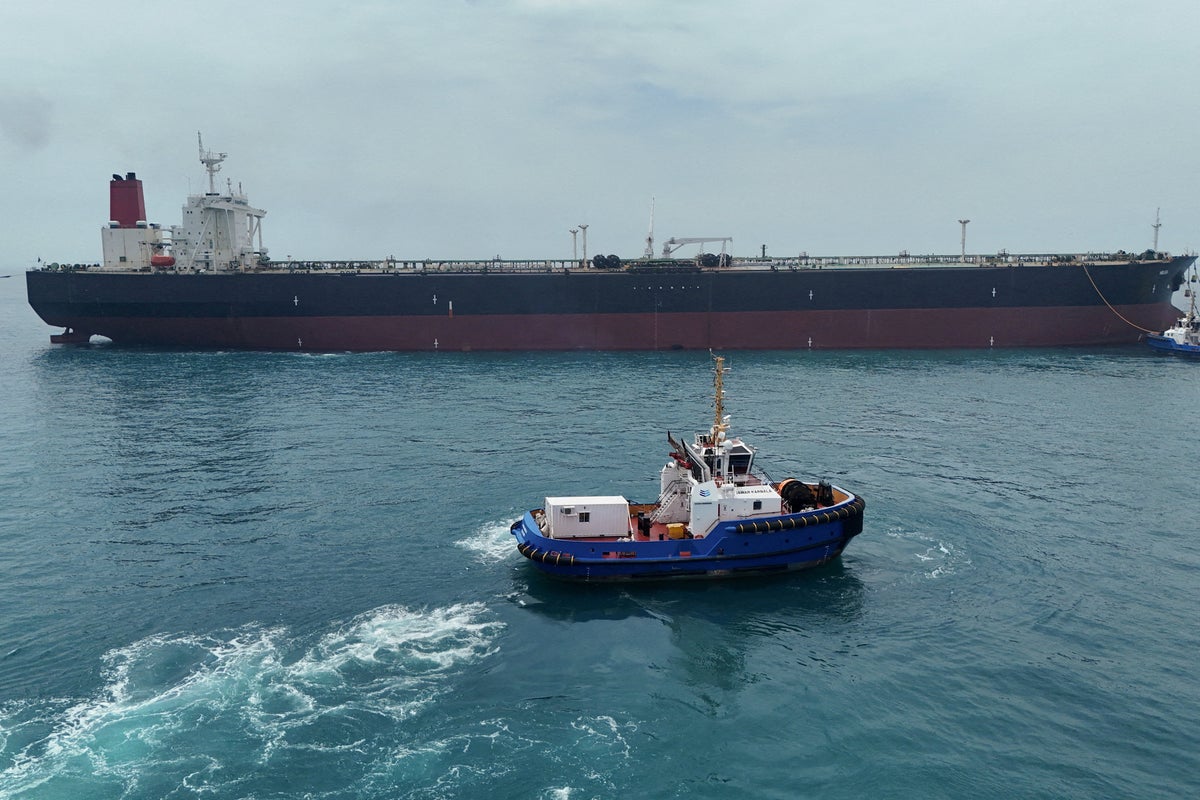
Iran warns oil tankers to use approved routes in Strait of Hormuz or face a 'forceful response'
Iran warns ships to use approved Hormuz routes, or else
