Today in News History
On July 3, several notable moments in the history of News stand out. In 1754, French and Indian War: George Washington surrenders Fort Necessity to French forces. In 1849, France invades the Roman Republic and restores the Papal States. In 1863, American Civil War: The final day of the Battle of Gettysburg culminates with Pickett's Charge. In 1866, Austro-Prussian War is decided at the Battle of Königgrätz, enabling Prussia to exclude Austria from German affairs. In 1913, Confederate veterans at the Great Reunion of 1913 reenact Pickett's Charge; upon reaching the high-water mark of the Confederacy they are met by the outstretched hands of friendship from Union survivors. In 1927, Gérard de Courcelles, French race car driver passed away. In 1940, World War II: The Royal Navy attacks the French naval squadron in Algeria, to ensure that it will not fall under German control. Of the four French battleships present, one is sunk, two are damaged, and one escapes back to France. In 1944, World War II: The Minsk Offensive clears German troops from the city. In 1970, Dan-Air Flight 1903 crashes into the Les Agudes mountain in the Montseny Massif near the village of Arbúcies in Catalonia, Spain, killing all 112 people aboard. In 1988, United States Navy warship USS Vincennes shoots down Iran Air Flight 655 over the Persian Gulf, killing all 290 people aboard. Together, these milestones provide historical context for today's news news and ongoing narratives.
Fed and ECB Seen Diverging in French Snapshot of War Aftermath

The Federal Reserve will still need to hike interest rates this year despite Thursday’s numbers pointing to labor-market weakness, according to two French chief economists.
Narrative Intelligence Brief
This article was published by Bloomberg, a source frequently categorized with a lean left bias based in United States of America. Our narrative intelligence engine continuously monitors coverage from this outlet to track framing, bias, and rhetorical patterns. Our initial algorithmic scan of this specific piece did not flag high-confidence rhetorical techniques, suggesting a generally straightforward reporting style or neutral framing. By understanding the editorial perspective of Bloomberg, readers can better contextualize the information presented and compare it across our broader media matrix to find the real narrative.
More from Bloomberg
July 3, 2026
ECB’s Lagarde Will Attend Next Week’s Ecofin Instead of Vujcic
July 3, 2026
ECB’s Nagel Stresses Need for Vigilance at Next Rate Decision
July 3, 2026
CPP Invests $1.75 Billion in EQT’s AI Buildout
July 3, 2026
CPP Invests $1.75 Billion in EQT’s AI Infrastructure Buildout
July 3, 2026
Argentina Pushes $6 Billion in Repo Maturities Past Election
Analysis Methodology
This narrative analysis was generated using the CoDataLab Global Intelligence Engine. Our proprietary AI scans thousands of cross-border sources to identify sentiment patterns, framing techniques, and potential media bias. While AI provides the data-driven foundation, our objective is to empower readers with additional context beyond the standard headline.The content displayed above is a structured summary designed for rapid information processing. For the full original report, please visit the source outlet.More Coverage
Discussion
"trump"
🇺🇸 Trump Throws America’s WORST Birthday Party

Trump fights fraud by freezing funding for New York’s Medicaid Fraud Control Unit
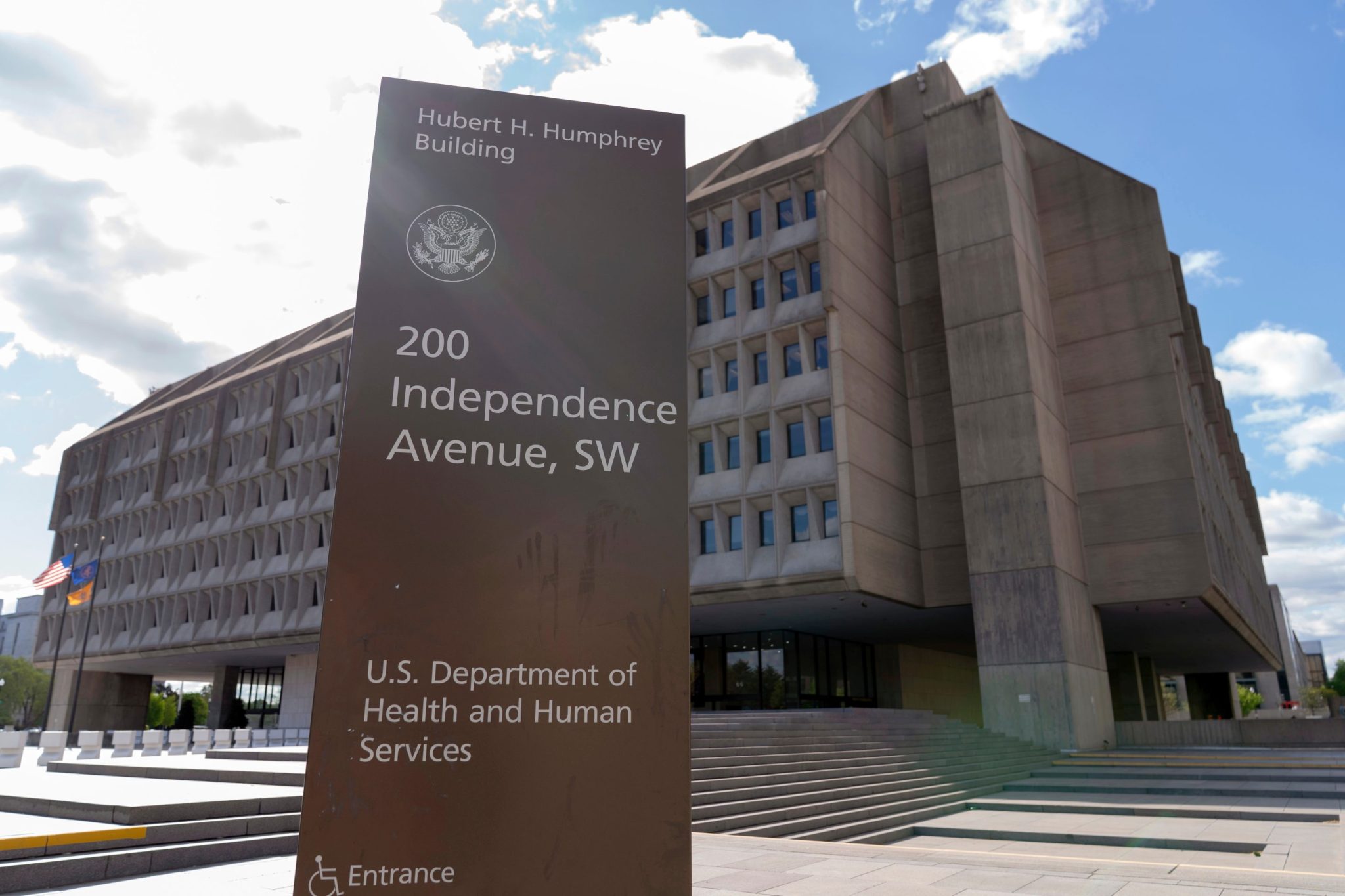
Tim Walz pardons illegal alien despite HORRIFIC child sex crimes — which may shield him from deportation