Today in News History
On July 9, several notable moments in the history of News stand out. In 660, Korean forces under general Kim Yu-sin of Silla defeat the army of Baekje in the Battle of Hwangsanbeol. In 969, The Fatimid general Jawhar leads the Friday prayer in Fustat in the name of Caliph al-Mu'izz li-Din Allah, thereby symbolically completing the Fatimid conquest of Egypt. In 1916, Edward Heath, English colonel and politician; Prime Minister of the United Kingdom, 1970-74 (died 2005) was born. In 1942, David Chidgey, Baron Chidgey, English engineer and politician (died 2022) was born. In 1944, World War II: Continuation War: Finland wins the Battle of Tali-Ihantala, the largest battle ever fought in northern Europe. The Red Army withdraws its troops from Ihantala and digs into a defensive position, thus ending the Vyborg-Petrozavodsk Offensive. In 1979, A car bomb destroys a Renault motor car owned by "Nazi hunters" Serge and Beate Klarsfeld outside their home in France in an unsuccessful assassination attempt. In 1993, DeAndre Yedlin, American footballer was born. In 1997, A Fokker 100 from the Brazilian airline TAM launches engineer Fernando Caldeira de Moura Campos into 2,400 meters of free fall after an explosion that depressurized the aircraft. In 2006, One hundred and twenty-five people are killed when S7 Airlines Flight 778, an Airbus A310 passenger jet, veers off the runway while landing in wet conditions at Irkutsk Airport in Siberia. In 2015, Saud bin Faisal bin Abdulaziz Al Saud, Saudi Arabian economist and politician, Saudi Arabian Minister of Foreign Affairs (born 1940) passed away. Together, these milestones provide historical context for today's news news and ongoing narratives.
Farage’s biggest opponent? A rubbish bin

When Nigel Farage seeks reelection, his most prominent opponent is likely to be comedian Jonathan Harvey, aka Count Binface.
Narrative Intelligence Brief
This article was published by Brisbane Times, a source frequently categorized with a center bias based in Australia. Our narrative intelligence engine continuously monitors coverage from this outlet to track framing, bias, and rhetorical patterns. Our initial algorithmic scan of this specific piece did not flag high-confidence rhetorical techniques, suggesting a generally straightforward reporting style or neutral framing. By understanding the editorial perspective of Brisbane Times, readers can better contextualize the information presented and compare it across our broader media matrix to find the real narrative.
More from Brisbane Times
July 9, 2026
Goldfields police chase
July 9, 2026
Ex-trainee doctor pleads guilty to filming hundreds of people using hospital toilets
July 9, 2026
Trump confuses Iran with Japan in gaffe-heavy press conference
July 9, 2026
Telstra defends response as CEO returns from leave
July 9, 2026
Rookie excited to test the water with wet-trackers in Sydney
Analysis Methodology
This narrative analysis was generated using the CoDataLab Global Intelligence Engine. Our proprietary AI scans thousands of cross-border sources to identify sentiment patterns, framing techniques, and potential media bias. While AI provides the data-driven foundation, our objective is to empower readers with additional context beyond the standard headline.The content displayed above is a structured summary designed for rapid information processing. For the full original report, please visit the source outlet.More Coverage
Discussion
"strikes iran"
US strikes Iran again after Trump's ‘ceasefire over’ remark; port cities among key targets

US strikes Iran again, CENTCOM says it aims to “further degrade” threats to freedom of navigation in Strait of Hormuz
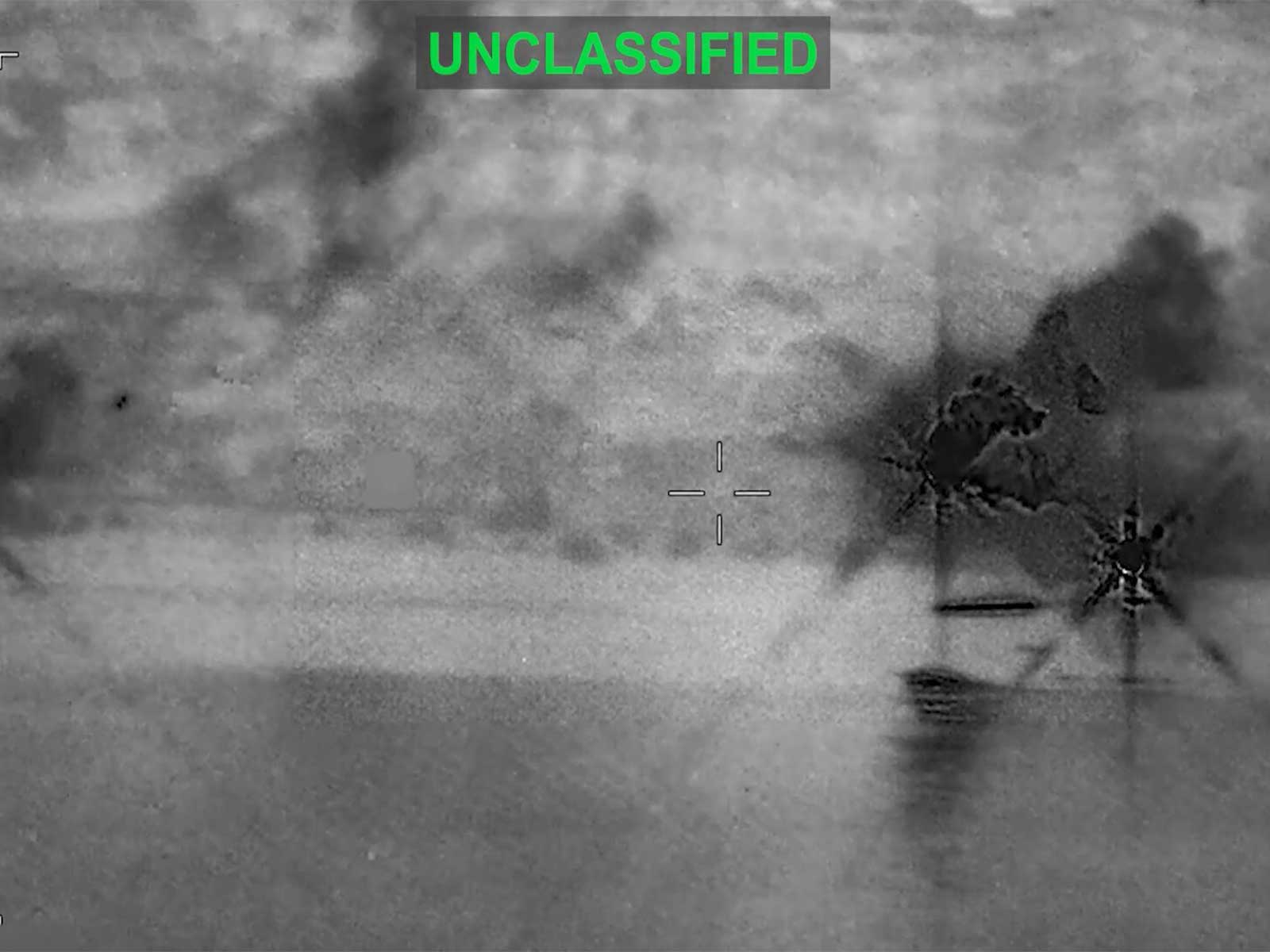
US strikes Iran for second night as Trump says ceasefire is ‘over’