
Today in News History
On July 2, several notable moments in the history of News stand out. In 1578, Thomas Doughty, English explorer passed away. In 1613, The first English expedition (from Virginia) against Acadia led by Samuel Argall takes place. In 1746, Thomas Baker, English antiquarian and author (born 1656) passed away. In 1893, Ralph Hancock, Welsh gardener and author (died 1950) was born. In 1900, Sophie Harris, English costume and scenic designer for theatre and opera (died 1966) was born. In 1925, Medgar Evers, American soldier and activist (died 1963) was born. In 1937, Amelia Earhart and navigator Fred Noonan are last heard from over the Pacific Ocean while attempting to make the first equatorial round-the-world flight. In 1954, Chris Huhne, English journalist and politician, Secretary of State for Energy and Climate Change was born. In 1988, Vibert Douglas, Canadian astronomer and astrophysicist (born 1894) passed away. In 2012, Betty Meggers, American archaeologist and academic (born 1921) passed away. Together, these milestones provide historical context for today's news news and ongoing narratives.
‘Exploratory and curious animals’: mysterious rise in orca sightings off Northumberland coast
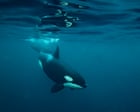
Reasons for increase not clear but experts say it could be welcome sign marine ecosystem is becoming healthierThe Farne Islands off the Northumberland coast have long drawn fans of the natural world keen to catch sight of the resident guillemots and puffins.But as recently as last week, another much bigger black-and-white animal has been delighting wildlife spotters. Orcas have been appearing more regularly than ever before. Continue reading...
Narrative Intelligence Brief
This article was published by Wildlife | The Guardian, a source frequently categorized with a lean left bias based in United Kingdom. Our narrative intelligence engine continuously monitors coverage from this outlet to track framing, bias, and rhetorical patterns. Our initial algorithmic scan of this specific piece did not flag high-confidence rhetorical techniques, suggesting a generally straightforward reporting style or neutral framing. By understanding the editorial perspective of Wildlife | The Guardian, readers can better contextualize the information presented and compare it across our broader media matrix to find the real narrative.
More from Wildlife | The Guardian
July 2, 2026
World Cup 2026: England, USA and and Belgium through; Spain and Portugal face last-32 tests – live
July 2, 2026
Modric and Ronaldo reunited at World Cup as Croatia aim to snap Portugal’s streak
July 2, 2026
Tasmanians warned of ‘loving Neil to death’ as 1,000kg seal’s antics feed ‘double-edged sword’ of fame
July 2, 2026
Global boom in livestock farming since 2006 is piling pressure on nature, report finds
July 2, 2026
How Bolivia’s breakthrough in jaguar rehabilitation could bring the big cat back from the brink
Analysis Methodology
This narrative analysis was generated using the CoDataLab Global Intelligence Engine. Our proprietary AI scans thousands of cross-border sources to identify sentiment patterns, framing techniques, and potential media bias. While AI provides the data-driven foundation, our objective is to empower readers with additional context beyond the standard headline.The content displayed above is a structured summary designed for rapid information processing. For the full original report, please visit the source outlet.More Coverage
Discussion
"din"
Trump Goons Accidentally Bust New Grift Force One’s Fake Interior

TV finales ranked from worst to best (no, Breaking Bad isn’t No.1)

Shocking footage of Russian daredevil’s arrest over Empire State Building climb
