
Today in News History
On July 12, several notable moments in the history of News stand out. In 70, The armies of Titus attack the walls of Jerusalem after a six-month siege. Three days later they breach the walls, which enables the army to destroy the Second Temple. In 1470, The Ottomans capture Euboea. In 1493, Hartmann Schedel's Nuremberg Chronicle, one of the best-documented early printed books, is published. In 1536, Desiderius Erasmus, Dutch priest and philosopher (born 1466) passed away. In 1543, King Henry VIII of England marries his sixth and last wife, Catherine Parr, at Hampton Court Palace. In 1691, Battle of Aughrim (Julian calendar): The decisive victory of William III of England's forces in Ireland. In 1789, In response to the dismissal of the French finance minister Jacques Necker, the radical journalist Camille Desmoulins gives a speech which results in the storming of the Bastille two days later. In 1971, The Australian Aboriginal flag is flown for the first time. In 1974, Stelios Giannakopoulos, Greek footballer and manager was born. In 2006, The 2006 Lebanon War begins. Together, these milestones provide historical context for today's news news and ongoing narratives.
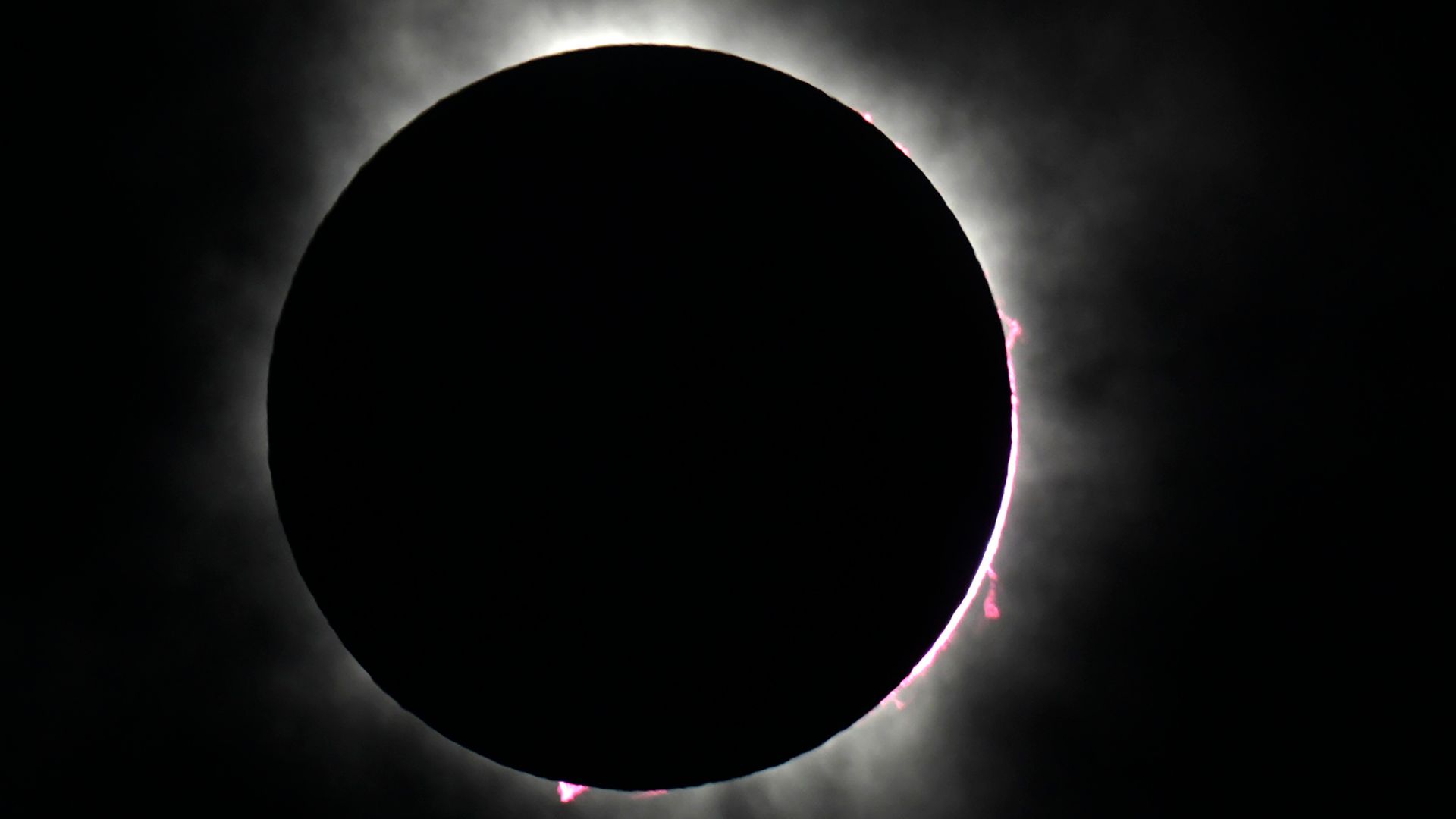
Europe's first total solar eclipse in almost 30 years: What you need to know
Narrative Intelligence Brief
This article was published by Sky News, a source frequently categorized with a center bias based in United Kingdom. Our narrative intelligence engine continuously monitors coverage from this outlet to track framing, bias, and rhetorical patterns. Our initial algorithmic scan of this specific piece did not flag high-confidence rhetorical techniques, suggesting a generally straightforward reporting style or neutral framing. By understanding the editorial perspective of Sky News, readers can better contextualize the information presented and compare it across our broader media matrix to find the real narrative.
More from Sky News
July 12, 2026
Girl, 9, among at least six killed in Israeli Gaza attacks - say Palestinian officials
July 12, 2026
Ukraine's prime minister stepping down after only a year, in Zelenskyy reshuffle
July 12, 2026
Andy Burnham blasted over 'scripted response' on Israel ahead of potential prime ministerial bid
July 12, 2026
Prince William 'furious' over King Charles meeting Harry and Meghan
July 12, 2026
‘Ludicrous’: Labor’s uranium deal with India is ‘hypocritical’ to their anti-nuclear policies
Analysis Methodology
This narrative analysis was generated using the CoDataLab Global Intelligence Engine. Our proprietary AI scans thousands of cross-border sources to identify sentiment patterns, framing techniques, and potential media bias. While AI provides the data-driven foundation, our objective is to empower readers with additional context beyond the standard headline.The content displayed above is a structured summary designed for rapid information processing. For the full original report, please visit the source outlet.More Coverage
Discussion
"lindsey graham"
Outrage as Trump and Netanyahu accused of using Lindsey Graham’s death to promote agendas

'Meet the Press’ Host Addresses Lindsey Graham's Death After Interview Plan

"No Conspiracy": Former Israeli Consul Dismisses Conspiracy Theories about Lindsey Graham's Death

How other outlets are covering this story
Compare narratives across 6 related reports from 6 sources. Real Narrative News aggregates the coverage spectrum so you can see who emphasises what — bias tags reflect the outlet, not the story.
Coverage bias distribution
6 sources
Left 17%
Center 67%
Right 0%
New Scientist
· Jun 25, 2026
Where, when and how to watch the 2026 solar eclipse
This August a total solar eclipse is set to be visible across parts of Europe, while a partial eclipse will sweep across about a quarter of the planet – here’s how to catch it
Euro Weekly News
· Jun 26, 2026
Mallorca solar eclipse 2026: Best viewing areas and what to know
On Wednesday August 12 2026, Mallorca will become one of the few places in Europe to witness a total solar []
RTL Today
· Jul 12, 2026
Visible from Luxembourg: A rare solar eclipse is coming this August
On 12 August 2026, Luxembourg will witness one of the most striking astronomical events visible here in many years: a deep partial solar eclipse.
Syrian Arab News Agency
· Jun 21, 2026
Rare total solar eclipse to cross North Atlantic and Europe in August 2026
Washington, June 21 (SANA) A total solar eclipse will occur on August 12, 2026, in a rare astronomical event visible across parts of the Northern Hemisphere, including Greenland, Iceland, northern Russia, the Atlantic Ocean and northern Spain, NASA said. According to the U.S. space agency, the Moon will completely cover the Sun along a narrow []
NL Times
Solar park land in Netherlands quadruples in five years as large projects dominate
The total surface area of solar parks in the Netherlands has quadrupled over the past five years, according to Kadaster. The increase is mainly driven by large-scale solar park projects.
Scientific American
· Jul 10, 2026
Is Earth the only planet with total solar eclipses?
Other planets have moons, too. Do they get eclipses like we do?
Topics:
Related coverage for "Europe's first total solar eclipse in almost 30 years: What you need to know": New Scientist — Where, when and how to watch the 2026 solar eclipse. Euro Weekly News — Mallorca solar eclipse 2026: Best viewing areas and what to know. RTL Today — Visible from Luxembourg: A rare solar eclipse is coming this August. Syrian Arab News Agency — Rare total solar eclipse to cross North Atlantic and Europe in August 2026. NL Times — Solar park land in Netherlands quadruples in five years as large projects dominate. Scientific American — Is Earth the only planet with total solar eclipses?