
Today in News History
On July 12, several notable moments in the history of News stand out. In 1893, A revolution led by the liberal general and politician José Santos Zelaya takes over state power in Nicaragua. In 1904, Niño Ricardo, Spanish guitarist and composer (died 1972) was born. In 1924, César Lattes, Brazilian physicist and academic (died 2005) was born. In 1958, Hugo Sánchez, Mexican footballer, coach, and manager was born. In 1965, Ernesto Hoost, Dutch kick-boxer and sportscaster was born. In 1968, Esera Tuaolo, American football player was born. In 1971, The nationalization of all large copper mines in Chile is completed. In 1976, Eduardo Nájera, Mexican-American basketball player and coach was born. In 2007, Alfonso López Michelsen, Colombian lawyer and politician, 32nd President of Colombia (born 1913) passed away. In 2015, Joaquín "El Chapo" Guzmán escapes from the maximum security Altiplano prison in Mexico, his second escape. Together, these milestones provide historical context for today's news news and ongoing narratives.
Encuentro regional de emigrados cubanos hoy en Uruguay
Montevideo, 27 jun (Prensa Latina) Esta capital acoge hoy el VIII Encuentro de la Red de Cubanos Residentes en América Latina y el Caribe, en momentos trascendentales para el país que les vio nacer. The post Encuentro regional de emigrados cubanos hoy en Uruguay first appeared on Noticias Prensa Latina.
Narrative Intelligence Brief
This article was published by Prensa Latina, a source frequently categorized with a left bias based in Cuba. Our narrative intelligence engine continuously monitors coverage from this outlet to track framing, bias, and rhetorical patterns. Our initial algorithmic scan of this specific piece did not flag high-confidence rhetorical techniques, suggesting a generally straightforward reporting style or neutral framing. By understanding the editorial perspective of Prensa Latina, readers can better contextualize the information presented and compare it across our broader media matrix to find the real narrative.
More from Prensa Latina
July 12, 2026
Alertan que aplazar Código Penal favorecería al crimen en Dominicana
July 12, 2026
Policías en Santa Cruz, Argentina, protestan por aumento salarial
July 12, 2026
Expresidente de Bolivia refuta acusaciones del Gobierno
July 12, 2026
Intensifican respuesta en provincia de RDC ante presencia de ébola
July 12, 2026
Maduro y Cilia agradecen la solidaridad internacional con Venezuela
Analysis Methodology
This narrative analysis was generated using the CoDataLab Global Intelligence Engine. Our proprietary AI scans thousands of cross-border sources to identify sentiment patterns, framing techniques, and potential media bias. While AI provides the data-driven foundation, our objective is to empower readers with additional context beyond the standard headline.The content displayed above is a structured summary designed for rapid information processing. For the full original report, please visit the source outlet.More Coverage
Discussion
"wimbledon"
Back-To-Back! Jannik Sinner Keeps Hold of His Wimbledon Crown

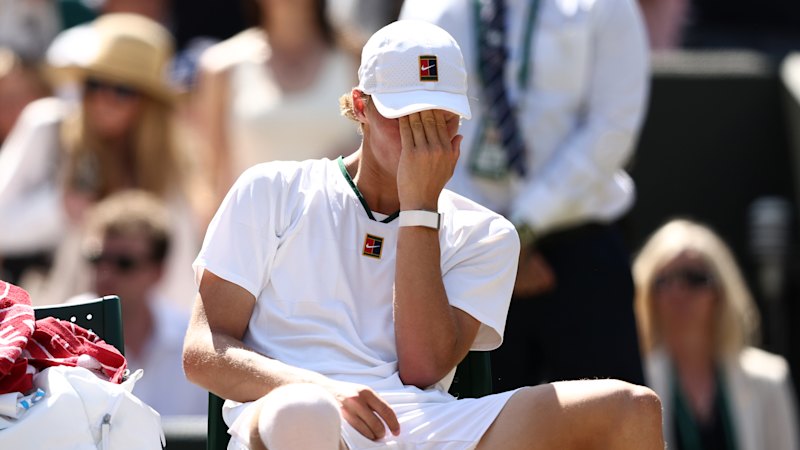
Heartbreak for Cruz Hewitt as teen loses Wimbledon boys’ final thriller
Jannik Sinner wins Wimbledon: Top seed beats Alexander Zverev in thrilling men's final to claim back-to-back titles

How other outlets are covering this story
Compare narratives across 3 related reports from 3 sources. Real Narrative News aggregates the coverage spectrum so you can see who emphasises what — bias tags reflect the outlet, not the story.
Coverage bias distribution
3 sources
Left 33%
Center 0%
Right 33%
Prensa Latina
· Jun 27, 2026
Encuentro de migrantes cubanos por nexos económicos con la isla
Montevideo, 27 jun (Prensa Latina) El VIII Encuentro de la Red de Cubanos Residentes en América Latina y el Caribe analizó hoy aquí la inserción en la transformación del modelo económico de la isla y la promoción de su desarrollo. The post Encuentro de migrantes cubanos por nexos económicos con la isla first appeared on Noticias Prensa Latina.
Cubanet
· Jun 22, 2026
La escuela cubana no se derrumba solo por falta de petróleo: Ferrer responde a The New York Times
MIAMI.- Nací en una zona rural llamada Manganeso, a unos catorce kilómetros al norte de Palma Soriano, en la provincia de Santiago de Cuba. La secundaria básica Máximo Gómez, en Palmarito de Cauto, quedaba a cuatro kilómetros y medio de mi casa. En los años ochenta hice muchas veces ese trayecto a pie, de ida [] The post La escuela cubana no se derrumba solo por falta de petróleo: Ferrer responde a The New York Times appeared first on Cubanet.
Caracas Chronicles
· Jul 6, 2026
De Caracas a Bogotá, la larga sombra de La Habana sobre el poder latinoamericano
Una investigación del Programa Cuba de la Universidad Sergio Arboleda sostiene que una de cada tres instituciones del Estado colombiano estableció acuerdos con entidades cubanas entre 2022 y 2026. En entrevista exclusiva con El Nacional, el director del proyecto asegura que La Habana intentó trasladar a Colombia un esquema de penetración institucional que, con características distintas, ya había desarrollado en Venezuela y más recientemente en México. The post De Caracas a Bogotá, la larga sombra de La Habana sobre el poder latinoamericano appeared first on EL NACIONAL.
Topics:
Related coverage for "Encuentro regional de emigrados cubanos hoy en Uruguay": Prensa Latina — Encuentro de migrantes cubanos por nexos económicos con la isla. Cubanet — La escuela cubana no se derrumba solo por falta de petróleo: Ferrer responde a The New York Times. Caracas Chronicles — De Caracas a Bogotá, la larga sombra de La Habana sobre el poder latinoamericano