
Today in News History
On June 19, several notable moments in the history of News stand out. In 1896, Rajani Palme Dutt, English journalist and politician (died 1974) was born. In 1941, Václav Klaus, Czech economist and politician, 2nd President of the Czech Republic was born. In 1954, Richard Wilkins, New Zealand-Australian journalist and television presenter was born. In 1970, Rahul Gandhi, Indian politician was born. In 1978, Zoe Saldana, American actress was born. In 1982, The People's Armed Police is de facto founded; It is officially established 10 months later on April 5, 1983. In 1982, Chris Vermeulen, Australian motorcycle racer was born. In 1990, The current international law defending indigenous peoples, Indigenous and Tribal Peoples Convention, 1989, is ratified for the first time by Norway. In 2001, Stanley Mosk, American lawyer, jurist, and politician (born 1912) passed away. In 2018, The 10,000,000th United States Patent is issued. Together, these milestones provide historical context for today's news news and ongoing narratives.
DVSA confirm new changes for driving test waiting times - 'The public deserve to know'
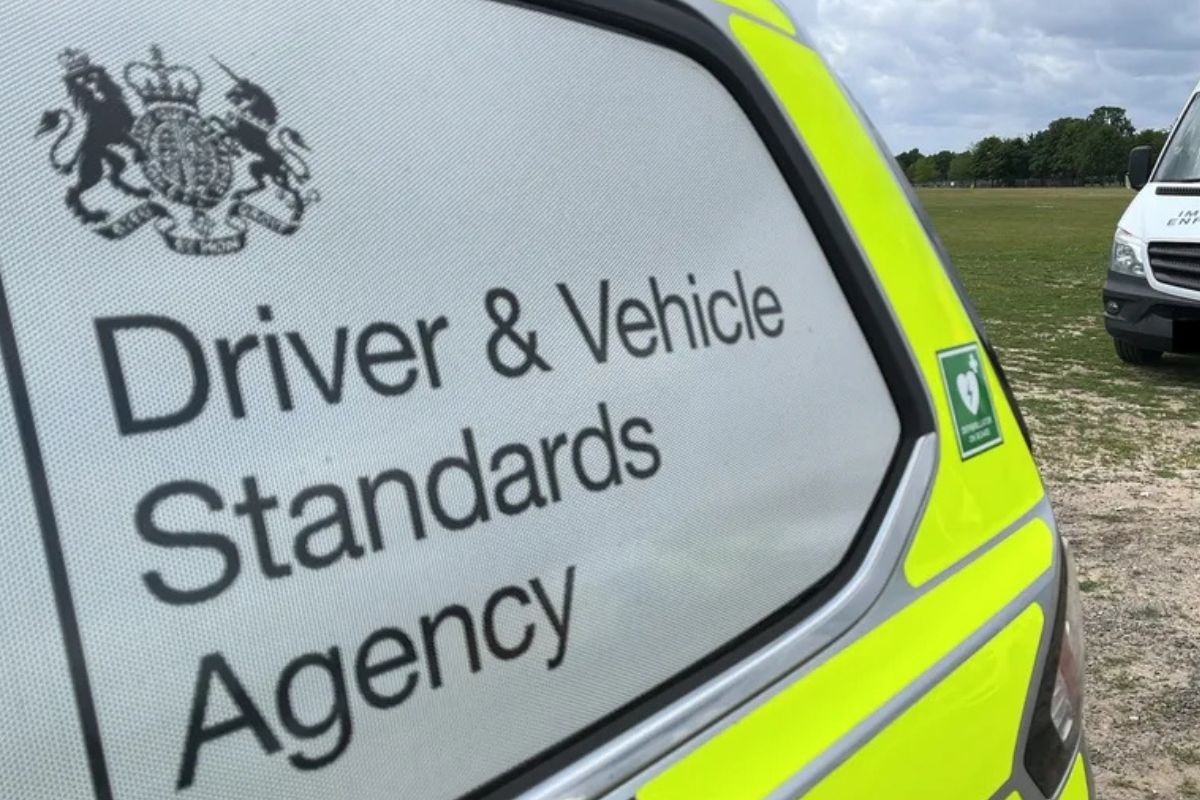
The DVSA has confirmed that it will begin publishing extra driving test waiting time data in a bid to improve transparency for learner motorists around the country.Drivers up and down the nation have been dealing with long delays to take their practical test as thousands of motorists attempt to get their licence.The Driver and Vehicle Standards Agency (DVSA) has announced that it will be publishing extra driving test data regarding average waiting times.This will be broken down by all test centres in Great Britain, with the DVSA vowing to publish and update the data every month. TRENDING Stories Videos Your Say New data will also include measures of waiting time and test availability, as well as monthly test volumes and pass rates.It shows that drivers had an average waiting time of more than a year for Carlisle, the Isle of Mull and Crieff in 2023 and 2021.However, waiting times have fallen considerably in recent years as the DVSA takes steps to reduce delays and get more drivers behind the wheel.The new data shows that drivers have an average waiting time of just 0.6 weeks in Enfield, Uxbridge and Carlisle LGV (Cars) for their tests earlier this year.According to the data, Birmingham (Cocks Moors) had the shortest average waiting times in May 2026, with a median length of 2.9 weeks.This was followed by Enfield Bancroft Way (three weeks), Guildford (three weeks), Slough (three weeks), Erith (3.1 weeks), Belvedere (3.2 weeks) and Leicester Cannock Street (3.4 weeks).Beverley Warmington, DVSA CEO, said: The public deserve to know how the car driving test service is really performing. That's why, from Thursday 18 June, we'll be publishing additional data to more accurately show the actual experience of learner drivers, following up on a recommendation from the National Audit Office investigation into driving test waiting times.LATEST DEVELOPMENTSThousands of drivers to benefit from car tax 'holiday' with motorists paying just £1Motorist with genetic eye disorder jailed and stripped of driving licence for life after killing pensionerDrivers back 'careful and competent' self-driving tech as Labour moves forward with autonomous plansThis commitment builds on the action we are taking on driving tests, which are having an impact.Ms Warmington noted that the DVSA had conducted almost 250,000 extra car driving tests since June 2025.She also emphasised that the changes made by the DVSA to the booking system will make it against the law for third parties to book tests for someone else.The DVSA's CEO said it was taking direct action against those who sought to hoover up tests to resell at inflated prices. Our Standards: The GB News Editorial Charter
Narrative Intelligence Brief
This article was published by GB News, a source frequently categorized with a lean right bias based in United States of America. Our narrative intelligence engine continuously monitors coverage from this outlet to track framing, bias, and rhetorical patterns. Our initial algorithmic scan of this specific piece did not flag high-confidence rhetorical techniques, suggesting a generally straightforward reporting style or neutral framing. By understanding the editorial perspective of GB News, readers can better contextualize the information presented and compare it across our broader media matrix to find the real narrative.
More from GB News
June 19, 2026
England national anthem row takes fresh twist with Thomas Tuchel 'unlikely' to be appeased by rule change
June 19, 2026
Rachel Reeves tax raids cause surge in millionaires fleeing to tax haven just 100 miles away from UK
June 19, 2026
World Cup star suffers injury so horrific that ITV refuse to show replays
June 19, 2026
World Cup day nine: All the latest as Scotland prepare for Morocco clash
June 19, 2026
Reform UK suffers 'worst night since 2024' in Makerfield and faces 'very hard path to power' warns top pollster
Analysis Methodology
This narrative analysis was generated using the CoDataLab Global Intelligence Engine. Our proprietary AI scans thousands of cross-border sources to identify sentiment patterns, framing techniques, and potential media bias. While AI provides the data-driven foundation, our objective is to empower readers with additional context beyond the standard headline.The content displayed above is a structured summary designed for rapid information processing. For the full original report, please visit the source outlet.More Coverage
Discussion
"trump"
🚨 MAGA Mike GOES MISSING as HELL BREAKS LOOSE in HOUSE!!!

Trump’s Iran deal sparks anger among Republican hawks

Bombshell report reveals harrowing details of UK’s shocking grooming gang scandal
