Today in News History
On July 2, several notable moments in the history of News stand out. In 1746, Thomas Baker, English antiquarian and author (born 1656) passed away. In 1881, Charles J. Guiteau shoots and fatally wounds U.S. President James A. Garfield (who will die of complications from his wounds on September 19). In 1915, Valerian Wellesley, 8th Duke of Wellington, British peer, politician and soldier (died 2014) was born. In 1918, Indumati Bhattacharya, Indian politician (died 1990) was born. In 1947, Ann Taylor, Baroness Taylor of Bolton, English politician, Minister for International Security Strategy was born. In 1950, Jon Trickett, English politician was born. In 1954, Chris Huhne, English journalist and politician, Secretary of State for Energy and Climate Change was born. In 1955, Edward Lawson, English soldier, Victoria Cross recipient (born 1873) passed away. In 2020, Byron Bernstein, American Twitch streamer (born 1989) passed away. In 2024, A stampede during a religious event in Uttar Pradesh, India, leaves at least 121 people dead and 150 others injured. Together, these milestones provide historical context for today's news news and ongoing narratives.
D.C. Students Will Soon Be Caught in a Political Crossfire
Narrative Analysis: Name Calling
Presumptive socialist mayor Janeese Lewis George could cater to unions itching to end teacher merit pay in the District. President Trump would welcome a fight to stop her. The post D.C. Students Will Soon Be Caught in a Political Crossfire appeared first on Education Next.
Narrative Intelligence Brief
This article was published by Education Next, a source frequently categorized with a center bias based in United States of America. Our narrative intelligence engine continuously monitors coverage from this outlet to track framing, bias, and rhetorical patterns. In this specific piece, our systems detected the potential use of the "Name Calling" technique. This narrative approach is often used to shape reader perception by highlighting specific emotional or rhetorical angles. By understanding the editorial perspective of Education Next, readers can better contextualize the information presented and compare it across our broader media matrix to find the real narrative.
More from Education Next
July 1, 2026
A Definitive—But Not Final—Decision on Transgender Athletes
July 2, 2026
250 Reasons This Is the Time for a Renaissance in Civic Education
July 1, 2026
Experiencing Democracy in the Classroom
June 29, 2026
What Is a Democratic Education, Anyway?
June 29, 2026
The Education Exchange: Lamar Alexander Tells Inside Story Behind Every Student Succeeds Act
Reliability Insights
P
Technique: Name Calling
System analysis detected use of specific narrative techniques in this piece.Analysis Methodology
This narrative analysis was generated using the CoDataLab Global Intelligence Engine. Our proprietary AI scans thousands of cross-border sources to identify sentiment patterns, framing techniques, and potential media bias. While AI provides the data-driven foundation, our objective is to empower readers with additional context beyond the standard headline.The content displayed above is a structured summary designed for rapid information processing. For the full original report, please visit the source outlet.More Coverage
Discussion
"trump"
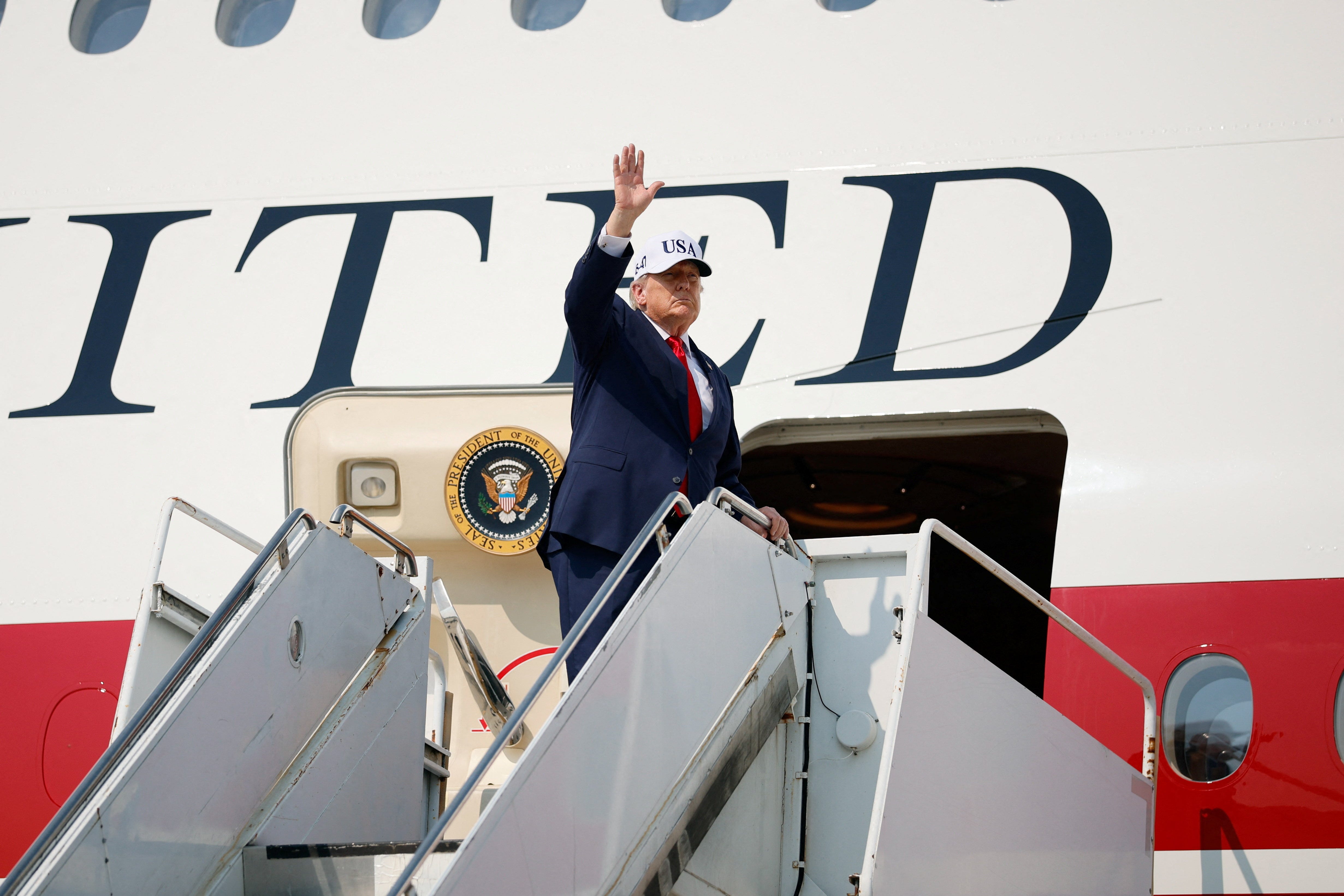
✈️ America’s Most Corrupt President Rides World’s Largest Metaphor for Corruption
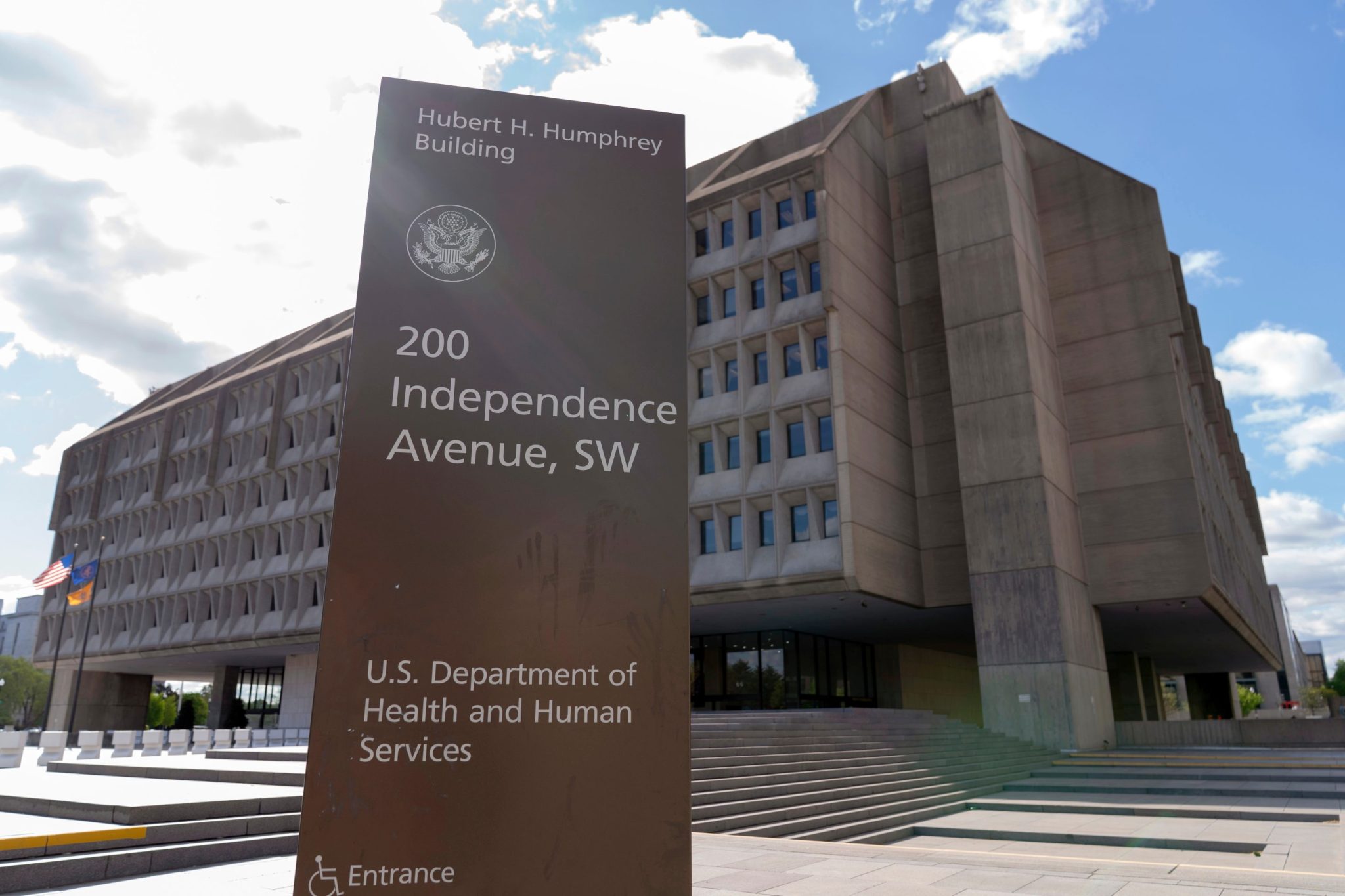
Trump fights fraud by freezing funding for New York’s Medicaid Fraud Control Unit
Man Genuinely Upset That Trump Has Ruined America’s 250th Birthday for Him