Today in News History
On July 4, several notable moments in the history of News stand out. In 943, Taejo of Goryeo, Korean king (born 877) passed away. In 975, Gwangjong of Goryeo, Korean king (born 925) passed away. In 1333, Genkō War: Forces loyal to Emperor Go-Daigo seize Tōshō-ji during the Siege of Kamakura. Hōjō Takatoki and other members of the Hōjō clan commit suicide, ending the rule of the Kamakura shogunate. In 1610, The Battle of Klushino is fought between forces of the Polish-Lithuanian Commonwealth and Russia during the Polish-Russian War. In 1965, Kiriakos Karataidis, Greek footballer and manager was born. In 1976, Daijiro Kato, Japanese motorcycle racer (died 2003) was born. In 1979, Lee Wai Tong, Chinese footballer and manager (born 1905) passed away. In 1994, Rwandan genocide: Kigali, the Rwandan capital, is captured by the Rwandan Patriotic Front, ending the genocide in the city. In 1999, Moa Kikuchi, Japanese musician was born. In 2012, Jeong Min-hyeong, South Korean footballer (born 1987) passed away. Together, these milestones provide historical context for today's news news and ongoing narratives.
Currency advantages, K-beauty fuel Chinese shopping trips, spending in Korea

When Chelsea Wang travelled to Seoul with two friends in late April, they barely visited any of the city’s palaces or tourist attractions. Instead, their three-and-a-half-day itinerary revolved around duty-free shopping, beauty treatments, hair salons and cosmetics stores. Wang arrived with a shopping list of her own: a backpack she estimated would cost at least 500 yuan (70) less than in China, and a bottle of perfume at a similar discount. One of her friends, Wu, a 28-year-old white-collar...
Narrative Intelligence Brief
This article was published by South China Morning Post, a source frequently categorized with a lean left bias based in Hong Kong. Our narrative intelligence engine continuously monitors coverage from this outlet to track framing, bias, and rhetorical patterns. Our initial algorithmic scan of this specific piece did not flag high-confidence rhetorical techniques, suggesting a generally straightforward reporting style or neutral framing. By understanding the editorial perspective of South China Morning Post, readers can better contextualize the information presented and compare it across our broader media matrix to find the real narrative.
More from South China Morning Post
July 4, 2026
China’s influence on African ports extends to software, automation and AI: study
July 4, 2026
Boy, 16, in a critical condition after fall through school classroom window
July 4, 2026
Development chief hails ‘diversified’ consortium in Northern Metropolis pilot bid
July 4, 2026
Pope visits Africa-Europe crossing as anti-migrant policies rise in US, EU
July 4, 2026
Wang Fuk Court administrator to hold crucial owners’ meeting on July 19
Analysis Methodology
This narrative analysis was generated using the CoDataLab Global Intelligence Engine. Our proprietary AI scans thousands of cross-border sources to identify sentiment patterns, framing techniques, and potential media bias. While AI provides the data-driven foundation, our objective is to empower readers with additional context beyond the standard headline.The content displayed above is a structured summary designed for rapid information processing. For the full original report, please visit the source outlet.More Coverage
Discussion
"cup"
Trump FURIOUS as USMNT Defies his ADMINISTRATION’S WISHES!!!

Mohamed Salah explains penalty after Egypt make history at World Cup 2026: ‘I had to decide at the last minute’
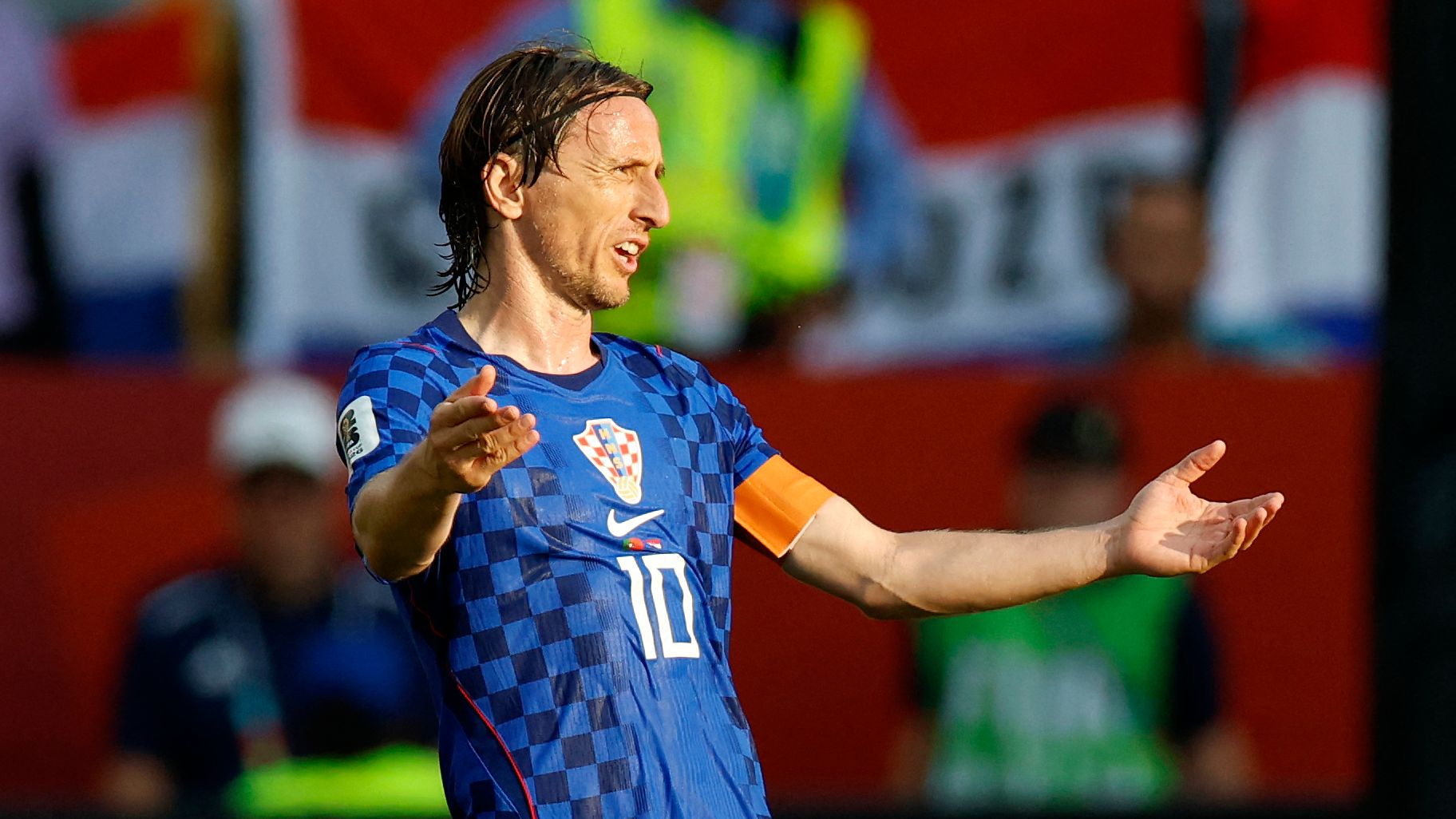
Luka Modrić Blasts VAR For Penalty Decision After Croatia's Round Of 32 Loss