Today in News History
On June 17, several notable moments in the history of News stand out. In 1571, Thomas Mun, English writer on economics (died 1641) was born. In 1863, American Civil War: Battle of Aldie in the Gettysburg Campaign. In 1900, Boxer Rebellion: Western Allied and Japanese forces capture the Taku Forts in Tianjin, China. In 1930, U.S. President Herbert Hoover signs the Smoot-Hawley Tariff Act into law. In 1943, Chantal Mouffe, Belgian theorist and author was born. In 1949, John Craven, English economist and academic was born. In 1953, Cold War: East Germany Workers Uprising: In East Germany, the Soviet Union orders a division of troops into East Berlin to quell a rebellion. In 1963, A day after South Vietnamese President Ngô Đình Diệm announced the Joint Communiqué to end the Buddhist crisis, a riot involving around 2,000 people breaks out. One person is killed. In 1967, Nuclear weapons testing: China announces a successful test of its first thermonuclear weapon. In 1984, Si Tianfeng, Chinese race walker was born. Together, these milestones provide historical context for today's news news and ongoing narratives.
China moves to end ‘irrational’ food-delivery subsidies and the sector’s price wars
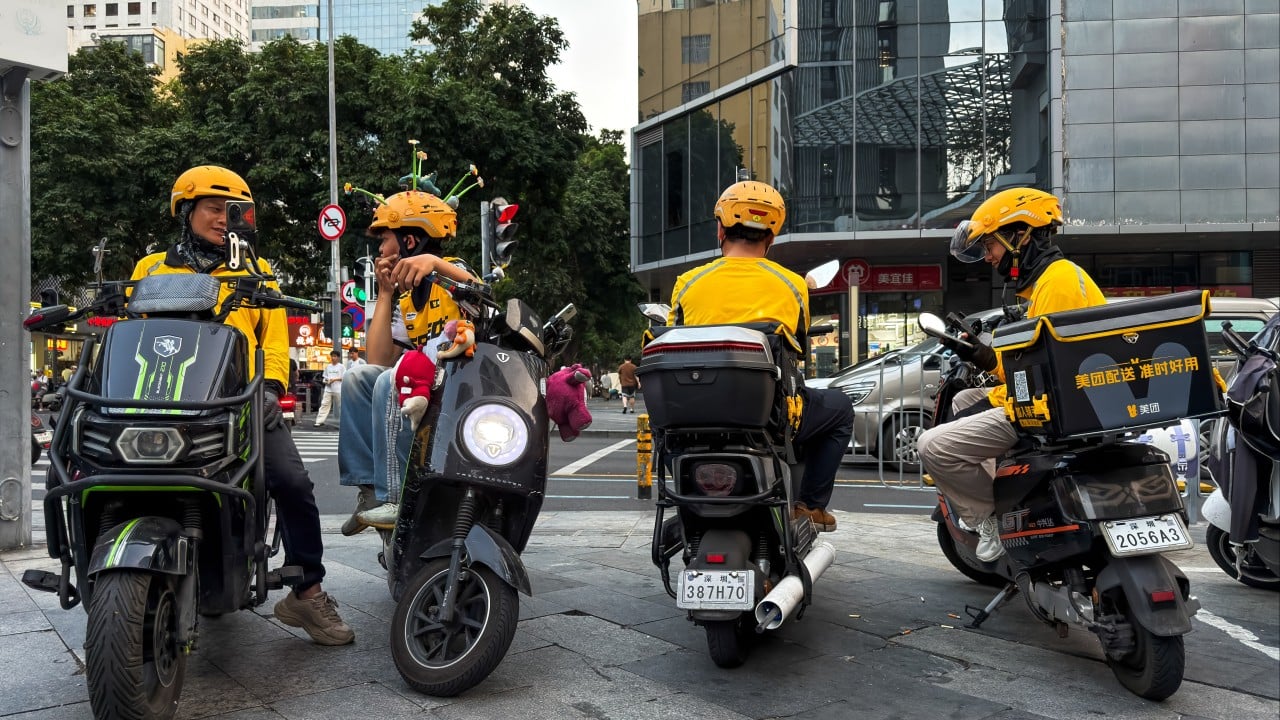
Chinese authorities introduced draft regulations on Wednesday to crack down on the misuse of subsidies by food-delivery platforms, as Beijing seeks to rein in the sector’s intense competition. The proposed rules, open for public comment until July 17, identify several practices that would be banned, including using subsidies to disrupt the market and selling goods at a loss, according to a statement from the State Administration for Market Regulation (SAMR). “China’s food-delivery platforms...
Narrative Intelligence Brief
This article was published by South China Morning Post, a source frequently categorized with a lean left bias based in Hong Kong. Our narrative intelligence engine continuously monitors coverage from this outlet to track framing, bias, and rhetorical patterns. Our initial algorithmic scan of this specific piece did not flag high-confidence rhetorical techniques, suggesting a generally straightforward reporting style or neutral framing. By understanding the editorial perspective of South China Morning Post, readers can better contextualize the information presented and compare it across our broader media matrix to find the real narrative.
More from South China Morning Post
June 17, 2026
Can China-US breadbasket diplomacy sidestep tension over American’s arrest?
June 17, 2026
Lebanon peace talks with Israel ‘independent’ of US-Iran deal: Aoun
June 17, 2026
Afghan government workers face sack, jail after smartphone ban begins
June 17, 2026
‘Not final’: Trump flips again on Iran deal, plans press conference in France
June 17, 2026
Top operative of China-born tycoon Chen Zhi extradited from Cambodia
Analysis Methodology
This narrative analysis was generated using the CoDataLab Global Intelligence Engine. Our proprietary AI scans thousands of cross-border sources to identify sentiment patterns, framing techniques, and potential media bias. While AI provides the data-driven foundation, our objective is to empower readers with additional context beyond the standard headline.The content displayed above is a structured summary designed for rapid information processing. For the full original report, please visit the source outlet.More Coverage
Discussion