
Today in News History
On July 11, several notable moments in the history of News stand out. In 1930, Ezra Vogel, American sociologist (died 2020) was born. In 1950, J. R. Morgan, Welsh author and academic was born. In 1950, Pervez Hoodbhoy, Pakistani physicist and academic was born. In 1953, Ivan Toms, South African physician and activist (died 2008) was born. In 1954, Julia King, English engineer and academic was born. In 1957, Johann Lamont, Scottish educator and politician was born. In 1960, Congo Crisis: The State of Katanga breaks away from the Democratic Republic of the Congo. In 1971, John W. Campbell, American journalist and author (born 1910) passed away. In 2007, Glenda Adams, Australian author and academic (born 1939) passed away. In 2014, John Seigenthaler, American journalist and academic (born 1927) passed away. Together, these milestones provide historical context for today's news news and ongoing narratives.
‘Children were calling for their mummies’: UK pupils struggle in 40C-plus classrooms
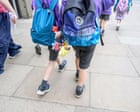
Teachers call for schools to be urgently adapted for hot weather amid reports of nausea, fainting and heatstrokeThe extreme heat that has hit the UK twice in the past few weeks has left teachers struggling to cope as temperatures in some classrooms climb above 40C, with pupils and staff suffering from heatstroke, nausea and headaches.Teachers say they have been desperately trying to keep children safe, with some covering younger pupils in wet paper towels as they lie on the floor, while older students have been given trays of water under their desks to put their feet in. Continue reading...
Narrative Intelligence Brief
This article was published by Education | The Guardian, a source frequently categorized with a left bias based in United Kingdom. Our narrative intelligence engine continuously monitors coverage from this outlet to track framing, bias, and rhetorical patterns. Our initial algorithmic scan of this specific piece did not flag high-confidence rhetorical techniques, suggesting a generally straightforward reporting style or neutral framing. By understanding the editorial perspective of Education | The Guardian, readers can better contextualize the information presented and compare it across our broader media matrix to find the real narrative.
More from Education | The Guardian
July 11, 2026
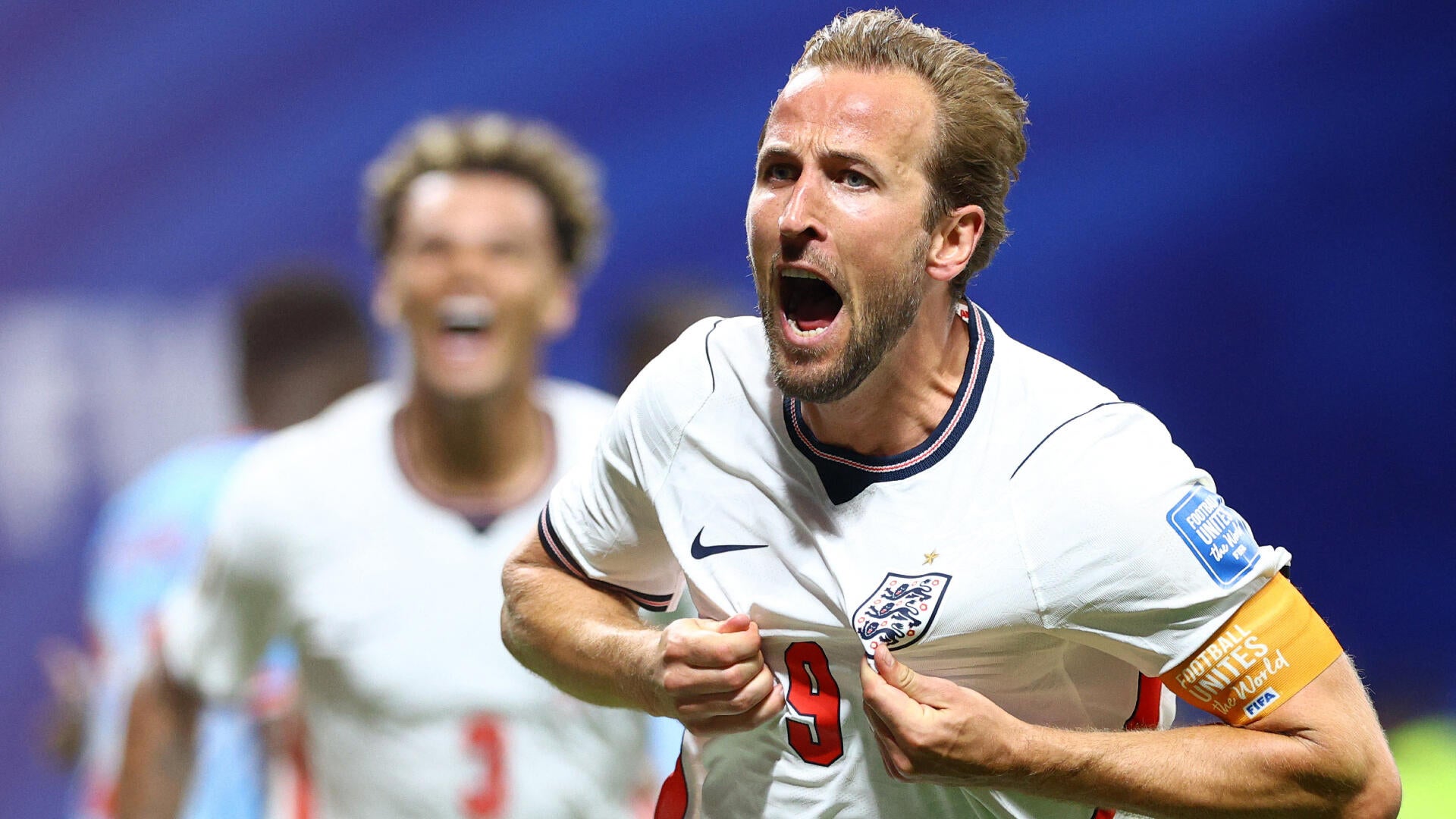
World Cup 2026: Spain v Belgium reaction, Kane confirms playing golf with Trump, Norway v England buildup – live
July 11, 2026
Cold War Steve on … Erling Haaland’s high-street invasion for Norway v England
July 11, 2026
The ad machine: how David Beckham conquered America
July 11, 2026
Spain full of belief as De la Fuente flags ‘high expectations’ for World Cup date with France
July 11, 2026
Tuchel fears more Haaland heroics as England seek identity against Norway
Analysis Methodology
This narrative analysis was generated using the CoDataLab Global Intelligence Engine. Our proprietary AI scans thousands of cross-border sources to identify sentiment patterns, framing techniques, and potential media bias. While AI provides the data-driven foundation, our objective is to empower readers with additional context beyond the standard headline.The content displayed above is a structured summary designed for rapid information processing. For the full original report, please visit the source outlet.More Coverage
Discussion
"cup quarterfinal"
England vs. Norway odds, prediction, time: 2026 World Cup quarterfinals picks by expert on 25-16 roll
Spain defeats Belgium 2-1 in World Cup quarterfinal amid controversial handball decision
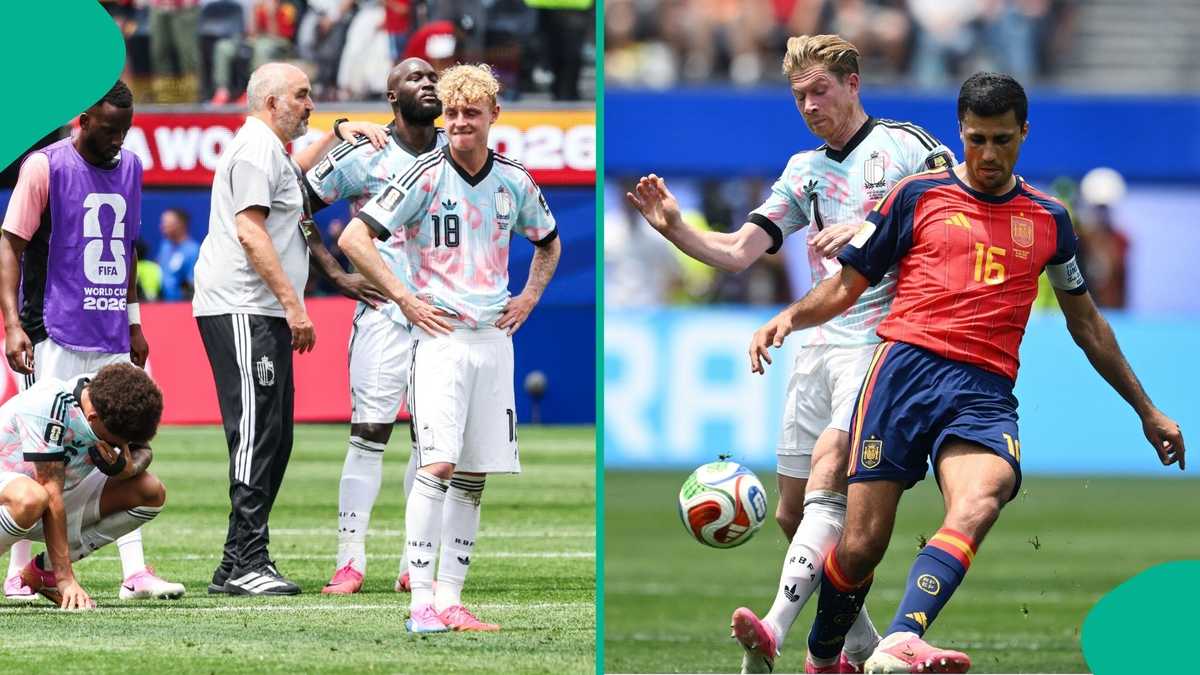
Mikel Merino stars again as Spain edge Belgium 2-1 in the World Cup quarterfinals