Today in News History
On June 17, several notable moments in the history of News stand out. In 1516, Yang Jisheng, Ming dynasty official and Confucian martyr (died 1555) was born. In 1633, Jean de Thévenot, French linguist and botanist (died 1667) was born. In 1824, A meeting at Old Slaughter's coffee house in London leads to the formation of what is now the Royal Society for the Prevention of Cruelty to Animals (RSPCA). In 1826, Constantin von Ettingshausen, Austrian geologist and botanist (died 1897) was born. In 1883, The Victoria Hall theatre panic in Sunderland, England, kills 183 children. In 1890, Stan Laurel, English actor and comedian (died 1965) was born. In 1909, Archie Carr, American ecologist and zoologist (died 1987) was born. In 1927, Tom Graveney, English cricketer and sportscaster (died 2015) was born. In 1941, Lamont Dozier, American songwriter and producer (died 2022) was born. In 1997, Fifty people are killed in the Daïat Labguer (M'sila) massacre in Algeria. Together, these milestones provide historical context for today's news news and ongoing narratives.
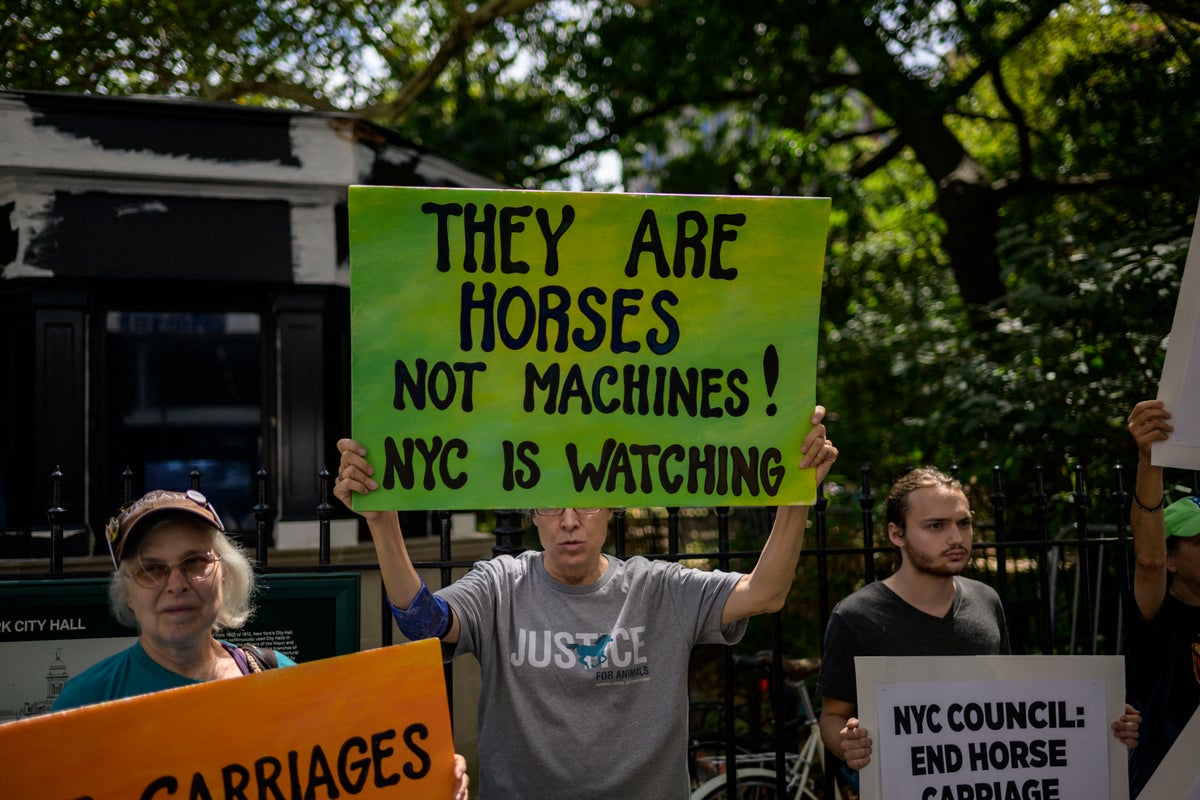
Carriage horse that died in Central Park had eaten a toxic plant earlier that day, necropsy reveals
The Japanese yew is toxic and can cause cardiac arrest in horses and other animals
Narrative Intelligence Brief
This article was published by The Independent, a source frequently categorized with a lean left bias based in United Kingdom. Our narrative intelligence engine continuously monitors coverage from this outlet to track framing, bias, and rhetorical patterns. Our initial algorithmic scan of this specific piece did not flag high-confidence rhetorical techniques, suggesting a generally straightforward reporting style or neutral framing. By understanding the editorial perspective of The Independent, readers can better contextualize the information presented and compare it across our broader media matrix to find the real narrative.
More from The Independent
June 17, 2026
How England plot to avenge years of heartbreak by Croatia in critical World Cup opener
June 17, 2026
Thomas Tuchel says World Cup opener against Croatia will ‘bring out the best’ in ‘brave’ England
June 17, 2026
Trump looking to hedge his bets and endorse both Republicans in contested South Carolina race
June 17, 2026
Thomas Tuchel explains why he called up Trevoh Chalobah to England’s World Cup squad
June 17, 2026
Erling Haaland scores twice on debut as Norway hammer Iraq in World Cup opener
Analysis Methodology
This narrative analysis was generated using the CoDataLab Global Intelligence Engine. Our proprietary AI scans thousands of cross-border sources to identify sentiment patterns, framing techniques, and potential media bias. While AI provides the data-driven foundation, our objective is to empower readers with additional context beyond the standard headline.The content displayed above is a structured summary designed for rapid information processing. For the full original report, please visit the source outlet.More Coverage
Discussion
"cup"
Football Daily | ‘Pico’ Lopes and Cape Verde give Spain’s boys one hell of a neutralising

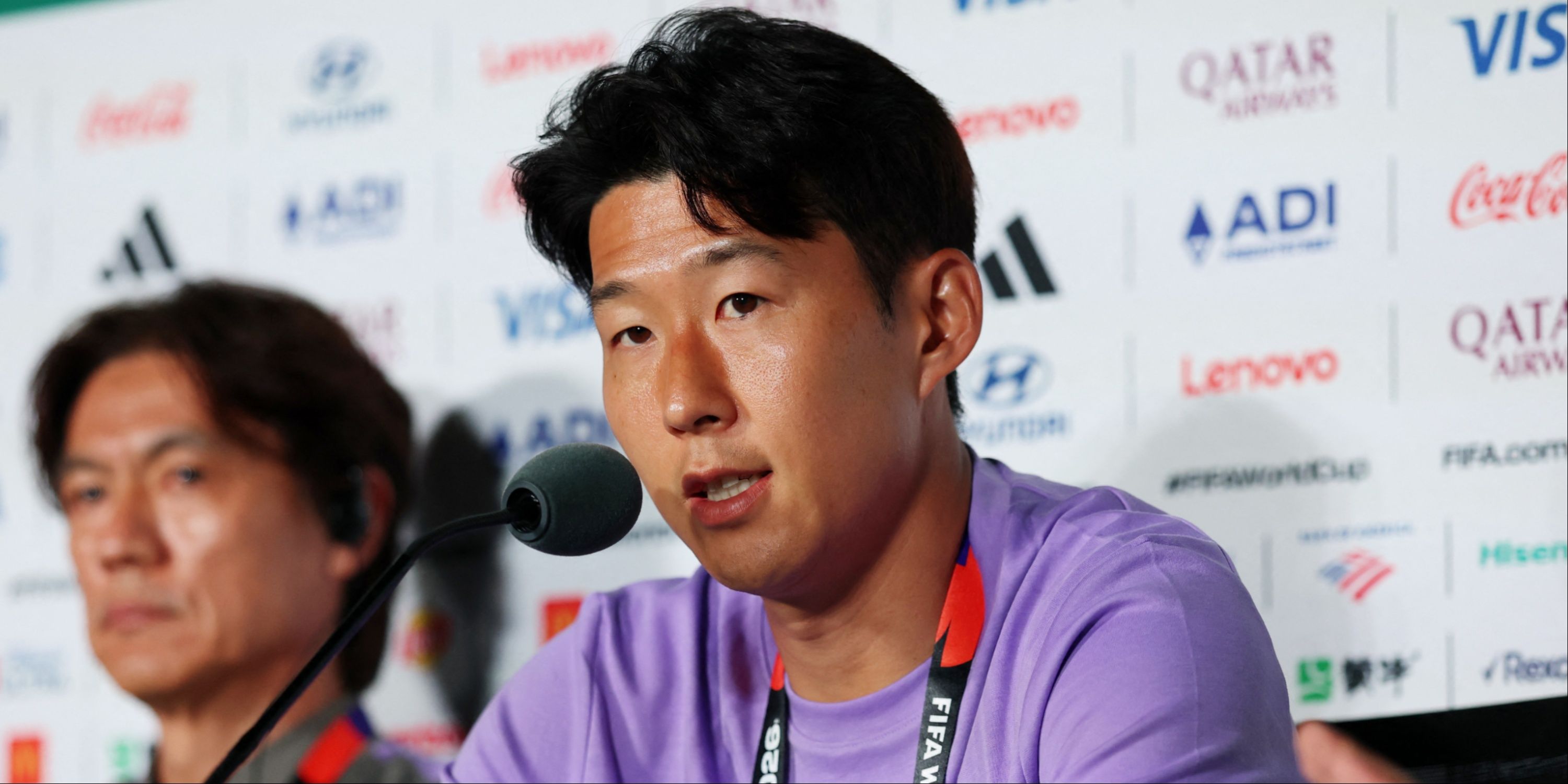
Son Heung-min Boycotts South Korea Media Over ‘Leaked Derogatory Remarks’
The backlash against AI reveals it’s a terrible scapegoat