
Today in News History
On July 8, several notable moments in the history of News stand out. In 1689, Edward Wooster, English-American settler (born 1622) passed away. In 1721, Elihu Yale, American-English merchant and philanthropist (born 1649) passed away. In 1887, Ben Holladay, American businessman (born 1819) passed away. In 1939, Havelock Ellis, English psychologist and author (born 1859) passed away. In 1942, Phil Gramm, American economist and politician was born. In 1950, Othmar Spann, Austrian sociologist, economist, and philosopher (born 1878) passed away. In 1966, Shadlog Bernicke, Nauruan politician was born. In 1983, Rich Peverley, Canadian ice hockey player was born. In 2008, John Templeton, American-born British businessman and philanthropist (born 1912) passed away. In 2014, Ben Pangelinan, Guamanian businessman and politician (born 1956) passed away. Together, these milestones provide historical context for today's news news and ongoing narratives.
Britain’s markets attracting generation of highly educated entrepreneurs

Nearly a quarter of market traders now hold master’s degree, PhD or medical doctorate, research showsOne in five young market traders now holds a master’s degree, PhD or medical doctorate, according to exclusive figures shared with the Guardian, in a sign of how Britain’s markets are attracting an unexpected new generation of highly educated entrepreneurs.Separate data from Kerb, the street food collective behind some of London’s best-known food markets, points in the same direction. Almost three-quarters of its founders have university degrees, including one in four with postgraduate qualifications. About 95 work in their businesses full-time rather than treating them as weekend side hustles. Continue reading...
Narrative Intelligence Brief
This article was published by Universities | The Guardian, a source frequently categorized with a left bias based in United Kingdom. Our narrative intelligence engine continuously monitors coverage from this outlet to track framing, bias, and rhetorical patterns. Our initial algorithmic scan of this specific piece did not flag high-confidence rhetorical techniques, suggesting a generally straightforward reporting style or neutral framing. By understanding the editorial perspective of Universities | The Guardian, readers can better contextualize the information presented and compare it across our broader media matrix to find the real narrative.
More from Universities | The Guardian
July 8, 2026
France’s Deschamps unruffled by Argentinian officials helming Morocco quarter-final
July 8, 2026
Three arrested in fraud investigation at University of Greater Manchester
July 8, 2026
Three arrested in £1m fraud investigation at University of Greater Manchester
July 8, 2026
Big house, billions in the bank? For just £100,000, you could make it snow indoors
July 8, 2026
Uefa could block Russia returning to football in potential new clash with Fifa
Analysis Methodology
This narrative analysis was generated using the CoDataLab Global Intelligence Engine. Our proprietary AI scans thousands of cross-border sources to identify sentiment patterns, framing techniques, and potential media bias. While AI provides the data-driven foundation, our objective is to empower readers with additional context beyond the standard headline.The content displayed above is a structured summary designed for rapid information processing. For the full original report, please visit the source outlet.More Coverage
Discussion
"cup"
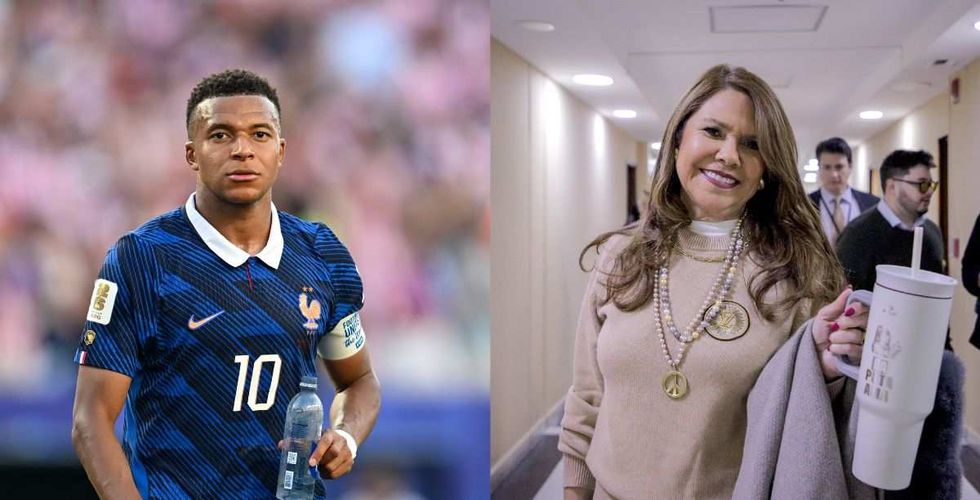
French Soccer Star Kylian Mbappé Perfectly Rips Paraguayan Senator After Her Vile Racist Post Attacking Him
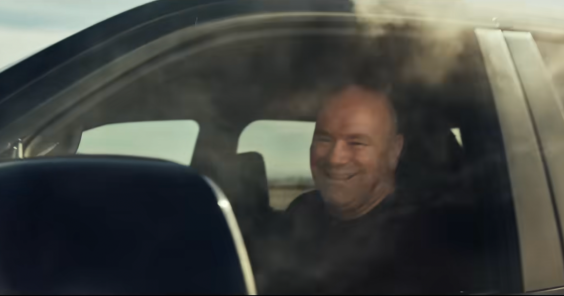
Dana White Stars In History’s Worst Truck Ad
UN rights office condemns racist remarks targeting Mbappé
