
Today in News History
On June 23, several notable moments in the history of News stand out. In 1314, First War of Scottish Independence: The Battle of Bannockburn (south of Stirling) begins. In 1713, The French residents of Acadia are given one year to declare allegiance to Britain or leave Nova Scotia, Canada. In 1758, Seven Years' War: Battle of Krefeld: British, Hanoverian, and Prussian forces defeat French troops at Krefeld in Germany. In 1760, Seven Years' War: Battle of Landeshut: Austria defeats Prussia. In 1812, War of 1812: Great Britain revokes the restrictions on American commerce, thus eliminating one of the chief reasons for going to war. In 1865, American Civil War: At Fort Towson in the Oklahoma Territory, Confederate Brigadier General Stand Watie surrenders the last significant Confederate army. In 1953, Armen Sarkissian, Armenian physicist, politician and President of Armenia was born. In 1958, John Hayes, English politician, Minister of State at the Department of Energy and Climate Change was born. In 1967, Cold War: U.S. President Lyndon B. Johnson meets with Soviet Premier Alexei Kosygin in Glassboro, New Jersey for the three-day Glassboro Summit Conference. In 2014, The last of Syria's declared chemical weapons are shipped out for destruction. Together, these milestones provide historical context for today's news news and ongoing narratives.
Britain to have surplus of energy for winter despite Iran war, forecasts show

The National Energy System Operator (Neso) nonetheless cautioned over ‘tight days’ during potential cold snaps this winter.
Narrative Intelligence Brief
This article was published by The Standard, a source frequently categorized with a lean right bias based in United Kingdom. Our narrative intelligence engine continuously monitors coverage from this outlet to track framing, bias, and rhetorical patterns. Our initial algorithmic scan of this specific piece did not flag high-confidence rhetorical techniques, suggesting a generally straightforward reporting style or neutral framing. By understanding the editorial perspective of The Standard, readers can better contextualize the information presented and compare it across our broader media matrix to find the real narrative.
More from The Standard
June 23, 2026
France 3-0 Iraq: Kylian Mbappe shines as Les Bleus cruise to victory despite two-hour weather delay
June 22, 2026
Declan Rice reveals effect of Arsenal title race as World Cup promise issued
June 22, 2026
England in for huge injury boost as Thomas Tuchel reveals Bukayo Saka latest ahead of Ghana match
June 22, 2026
Burnham to give speech on economy after Starmer resignation clears way to No 10
June 22, 2026
Letter signed by George Washington accepting British surrender goes on display in London
Analysis Methodology
This narrative analysis was generated using the CoDataLab Global Intelligence Engine. Our proprietary AI scans thousands of cross-border sources to identify sentiment patterns, framing techniques, and potential media bias. While AI provides the data-driven foundation, our objective is to empower readers with additional context beyond the standard headline.The content displayed above is a structured summary designed for rapid information processing. For the full original report, please visit the source outlet.More Coverage
Discussion
"iran war"
Trump accuses newspaper of ‘treason’ after it questioned what the Iran war had actually achieved
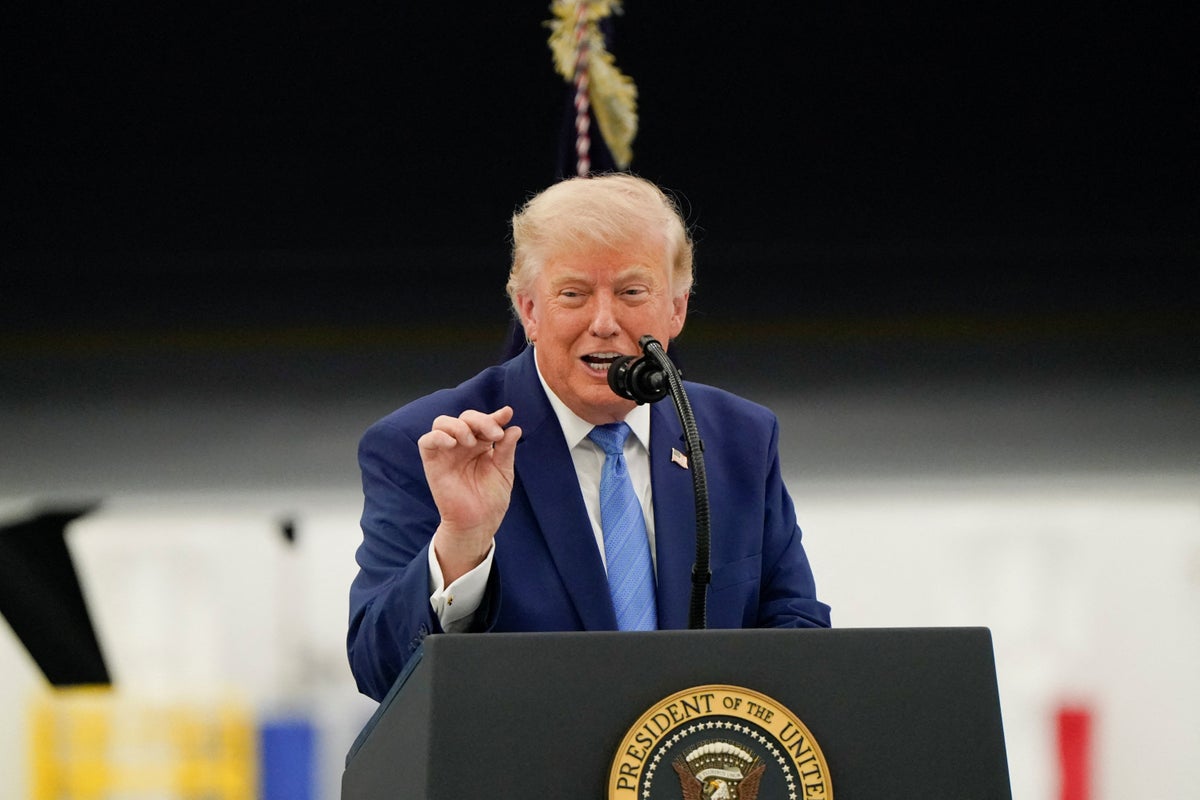
UK ‘did not like’ Starmer refusing to be drawn into Iran war, says Trump

We Parsed Trump’s Shifting Rhetoric on the Iran War
