Today in News History
On July 8, several notable moments in the history of News stand out. In 1730, An estimated magnitude 8.7 earthquake causes a tsunami that damages more than 1,000 km (620 mi) of Chile's coastline. In 1822, Chippewas turn over a huge tract of land in Ontario to the United Kingdom. In 1892, St. John's, Newfoundland is devastated in the Great Fire of 1892. In 1915, Lowell English, United States Marine Corps general (died 2005) was born. In 1918, Edward B. Giller, American Major General (died 2017) was born. In 1935, Vitaly Sevastyanov, Russian engineer and cosmonaut (died 2010) was born. In 1961, Andrew Fletcher, English keyboard player (died 2022) was born. In 1961, Karl Seglem, Norwegian saxophonist and record producer was born. In 1979, Michael Wilding, English actor (born 1912) passed away. In 1982, A failed assassination attempt against Iraqi president Saddam Hussein results in the Dujail Massacre over the next several months. Together, these milestones provide historical context for today's news news and ongoing narratives.
Britain braces for mass fish deaths as 'extreme' marine heatwave grips UK waters
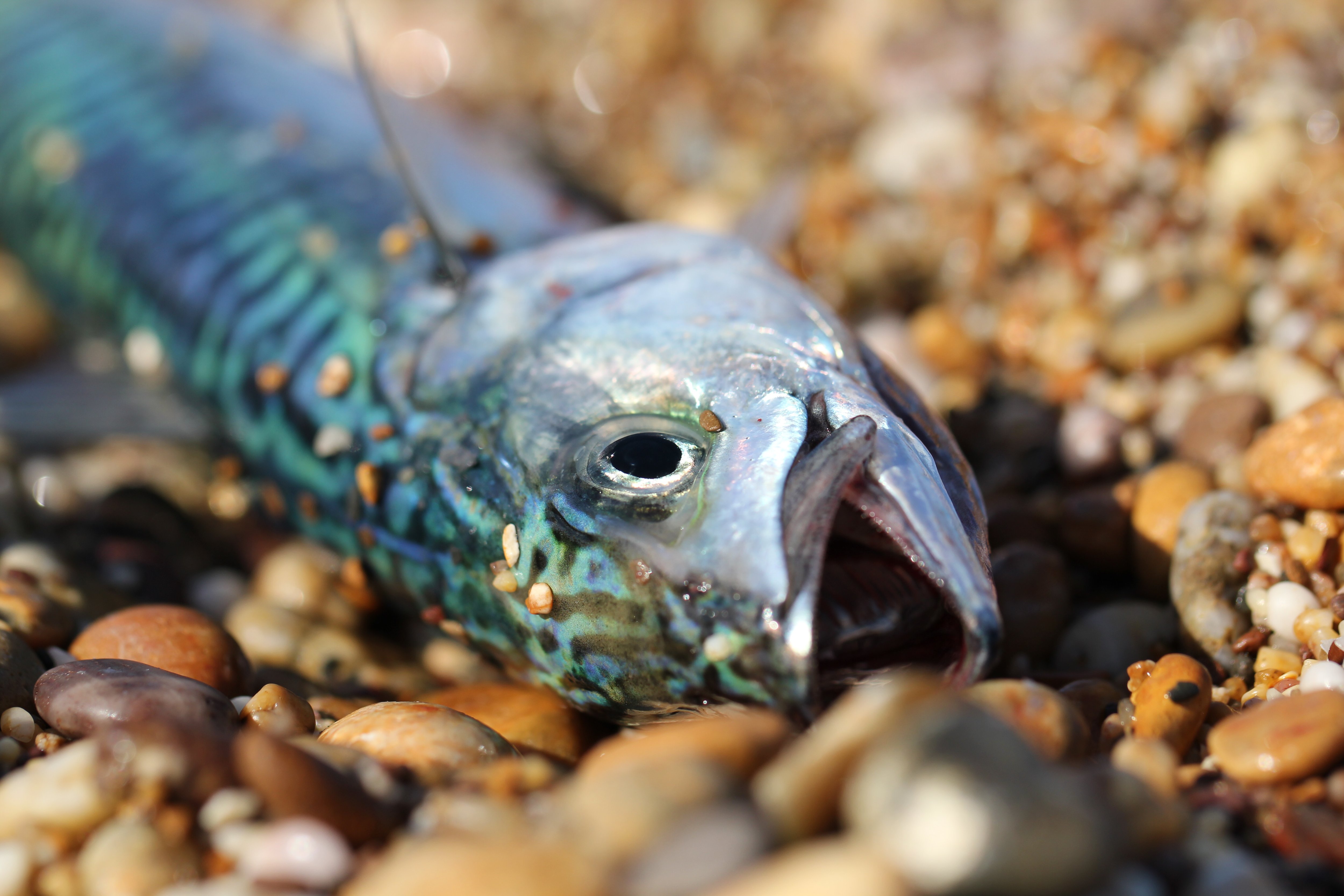
Britain could be on the brink of its most severe marine heatwave on record, with scientists warning the exceptional sea temperatures may trigger widespread fish deaths and devastate marine ecosystems.Coastal waters are running as much as 5.3C above seasonal averages, with experts warning the prolonged heat could place unprecedented stress on fish and other marine life.The Thames Estuary has already entered what researchers classify as extreme marine heatwave conditions, according to Marine Heatwave Tracker data.Monitoring buoys around the UK recorded extraordinary temperatures throughout June, with Hastings registering the highest anomaly at 5.3C above average, followed by Liverpool Bay at 4.6C and South Knock, east of the Thames Estuary, at 4.3C higher than normal. TRENDING Stories Videos Your Say Marine heatwaves are defined as prolonged periods during which sea temperatures remain significantly above historical averages for at least five consecutive days.Scientists measure the events on a four-tier scale, ranging from moderate to extreme.If it's starting to go extreme now and we've got a whole other week of the same weather, it could potentially be the most extreme we've ever had, said Zoe Jacobs at the National Oceanography Centre.The UK's first extreme marine heatwave occurred briefly in June 2023.They are very, very rare, she added.Dr Jacobs said the Channel and southern North Sea are currently sitting between 15C and 19C - temperatures normally associated with August rather than early July.The Bay of Biscay is also running up to 5C warmer than usual, with the unusually warm water spreading into British coastal seas.Unlike previous marine heatwaves that peaked in spring or early summer, the current event is expected to persist well into July, increasing the risk of severe impacts on marine life.ANIMALS - READ THE LATEST:British holidaymakers warned toxic fish that ‘can bite through bone’ lurking in MediterraneanBritish wildlife park welcomes birth of adorable flamingo chick after its brother escaped to FranceBiblical plague of flies making life in leafy British village 'intolerable'Scientists warn Britain could experience mass mortality events similar to those seen during Australian marine heatwaves, where extreme ocean temperatures devastated seagrass meadows and caused widespread fish deaths.Cold-water species such as cod and mackerel are already moving north in search of cooler waters, while jellyfish numbers have increased and octopuses are now breeding in British seas.We are closely tracking potential impacts on marine life and coastal industries, John Pinnegar, lead adviser for climate change at Cefas said. Including harmful algal blooms that can affect mussel and oyster production, increased jellyfish sightings, and stress on fish and other commercially important species, he added. The unusually warm seas are also expected to prolong hot, uncomfortable nights across Britain by preventing cooler sea breezes from bringing overnight relief.Marine heatwaves can have an impact prolonging warmth on land, in certain conditions, said Caroline Rowland, head of ocean and climate at the Met Office.Scientists say the phenomenon reflects the long-term warming of UK waters, which have steadily increased in temperature since the 1980s.We are likely to see marine heatwave conditions becoming average towards the middle-to-end of the century, warned Dr Ségolène Berthou, air-sea interaction specialist at the Met Office.Our Standards: The GB News Editorial Charter
Narrative Intelligence Brief
This article was published by GB News, a source frequently categorized with a lean right bias based in United States of America. Our narrative intelligence engine continuously monitors coverage from this outlet to track framing, bias, and rhetorical patterns. Our initial algorithmic scan of this specific piece did not flag high-confidence rhetorical techniques, suggesting a generally straightforward reporting style or neutral framing. By understanding the editorial perspective of GB News, readers can better contextualize the information presented and compare it across our broader media matrix to find the real narrative.
More from GB News
July 8, 2026
Vast majority of London jobs ‘at risk’ in looming AI bloodbath, new report warns
July 8, 2026
New York skyscraper on brink of collapse after ‘continued shifting’ detected
July 8, 2026
Campaigners push for ‘black English’ to be taught in US schools to tackle 'harmful language hierarchies'
July 8, 2026
Green Party says it has ‘no intention’ of contesting crunch Clacton by-election
July 7, 2026
Pakistan lays out conditions for Britain to deport Rochdale grooming gang leader