Today in News History
On June 30, several notable moments in the history of News stand out. In 888, Æthelred, archbishop of Canterbury passed away. In 1364, Arnošt of Pardubice, Czech archbishop (born 1297) passed away. In 1843, Ernest Mason Satow, English orientalist and diplomat (died 1929) was born. In 1930, Ignatius Peter VIII Abdalahad, Syrian bishop (died 2018) was born. In 1954, Stephen Barlow, English organist, composer, and conductor was born. In 1956, David Lidington, English historian, academic, and politician, Minister of State for Europe was born. In 1973, Vasyl Velychkovsky, Ukrainian-Canadian bishop and martyr (born 1903) passed away. In 2012, Michael J. Ybarra, American journalist and author (born 1966) passed away. In 2012, Michael Abney-Hastings, 14th Earl of Loudoun, English-Australian politician (born 1942) passed away. In 2013, Akpor Pius Ewherido, Nigerian politician (born 1963) passed away. Together, these milestones provide historical context for today's news news and ongoing narratives.
BBC must do more to promote ethnic diversity, says Archbishop of York
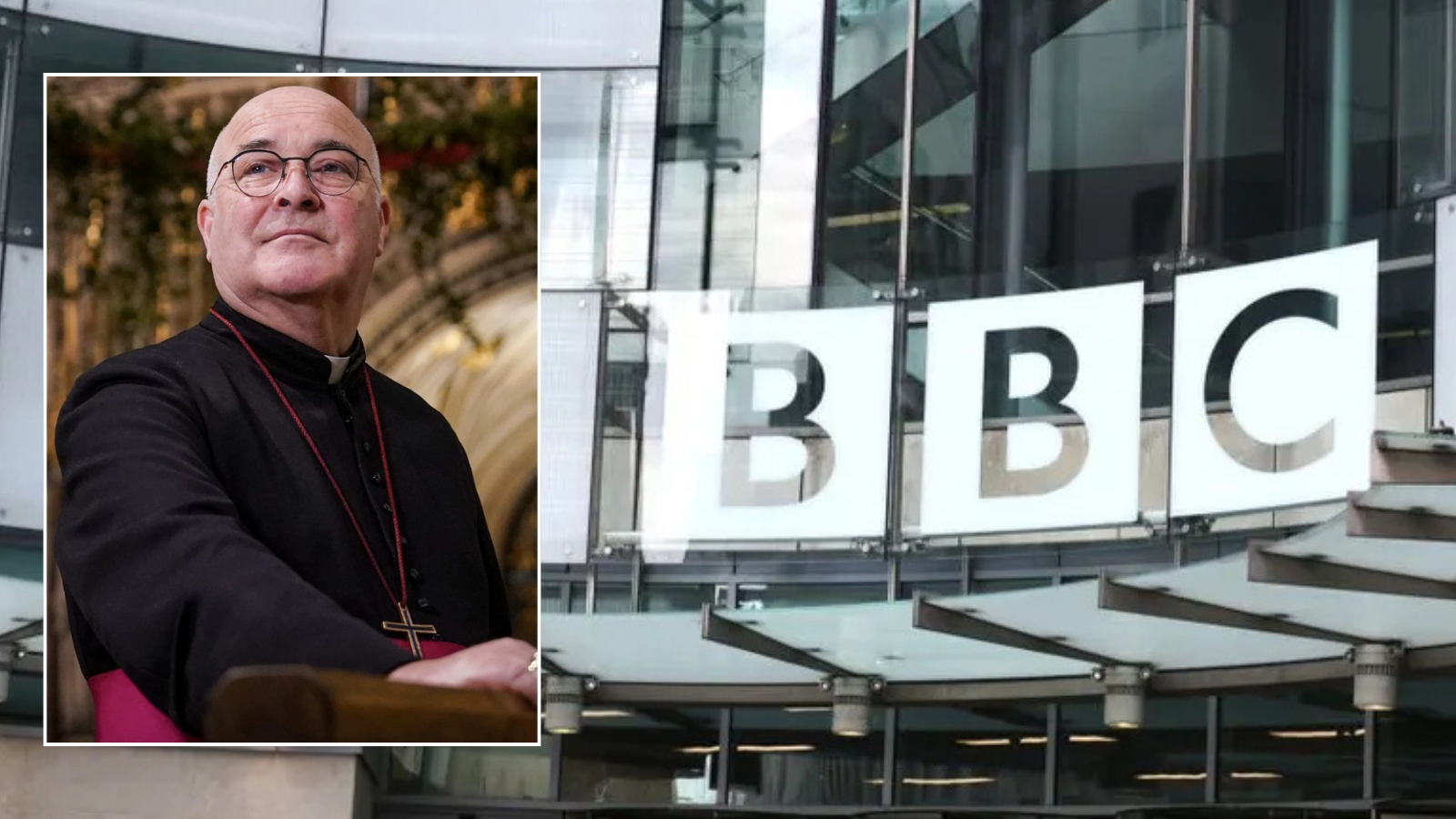
The Archbishop of York has urged the BBC to make ethnic and religious diversity a greater priority when attempting to reflect British communities in its broadcasting.The Most Rev Stephen Cottrell made comments during an address at the Religion Media Festival in Westminster today.The Church of England's second most senior clergyman implored public service broadcasters such as the BBC to recognise how identity in modern Britain has shifted away from regional identity and toward religion and ethnicity.He claimed representing communities through presenters with a regional accent was no longer effective at capturing how Britons truly define themselves today. TRENDING Stories Videos Your Say According to the archbishop, modern Britain functions as a network of communities where many find their identity in ethnic origin and religious faith more than geographic location.He acknowledged that the UK remains a family of nations containing regions with distinct cultures but stressed how people sparingly associate with a town or city by comparison to other demographics.Public service broadcasting must improve at mirroring this change, he argued.He added: Going forward, public service broadcasting needs to get better at reflecting this reality and, in particular, it needs to be given a much higher priority.The archbishop connected his argument to core Christian principles, citing values such as loving one's neighbour, honesty, truth, kindness and penitence.These same values fuel so many of our institutions, even when that is not always immediately apparent, he said.He described these principles as essential for serving diverse communities and maintaining a healthy national broadcasting sector representative of the people.Most Rev Stephen Cottrell claimed representation in television has for too long been merely understood as simply featuring presenters from different parts of the country.LATEST DEVELOPMENTSWhite working-class children are being failed by British state, damning inquiry confirmsKeir Starmer will fly St George's flag from No10 for next England game amid 'plastic patriot' rowPolice vow to come down on antisocial yobs as neighbourhoods disturbed in more than a million casesThe BBC has previously faced criticism for being overly focused on London and the South East, prompting its relocation of major departments to Salford between 2011 and 2012.Beyond his comments on diversity, the Archbishop issued a stark warning about artificial intelligence and the spread of misinformation online.He described the rapid spread of disinformation or misinformation as presenting great risk, with very clever algorithms pushing users towards a narrow reinforcement of existing views rather than challenge or expose us to a wider or different perspectives.The archbishop called for robust regulation across all media platforms to ensure trustworthiness – without censoring free speech.Lies and hatred, abuse and manipulation must be challenged, he argued, with those responsible held accountable.His concerns echo those of Dame Sarah Mullally, the Archbishop of Canterbury, who earlier this month warned of AI undermining human dignity.The threat of misinformation prompted the Government to pass a ban on social media for those under 16 years of age in a bid to protect young people from growing online threats in a world without tough digital regulation.Last week, the Government published the Media Green Paper, giving the BBC, ITV, Channel 4, 5 and others more flexibility to attract audiences online, transitioning to internet-based TV between 2034 and 2044.It aims to make it easier for people to discover trusted news sources on social media, as part of wider reforms to protect the long-term future of the UK’s media ecosystem, including public service broadcasters. Our Standards: The GB News Editorial Charter
Narrative Intelligence Brief
This article was published by GB News, a source frequently categorized with a lean right bias based in United States of America. Our narrative intelligence engine continuously monitors coverage from this outlet to track framing, bias, and rhetorical patterns. Our initial algorithmic scan of this specific piece did not flag high-confidence rhetorical techniques, suggesting a generally straightforward reporting style or neutral framing. By understanding the editorial perspective of GB News, readers can better contextualize the information presented and compare it across our broader media matrix to find the real narrative.
More from GB News
June 29, 2026
Prince William to slam 'systematic failure' causing homelessness as he calls for new approach
June 29, 2026
The surprise group that backs Ed Miliband to become Chancellor if Andy Burnham wins keys to No10
June 29, 2026
EU in furious border row after Spain opens floodgates to 1.3 million illegal migrants in biggest amnesty ever
June 29, 2026
Rochdale rape gang ringleader cannot be deported due to loophole as 'depraved paedophile' set for prison release
June 29, 2026
One of Ukraine's richest men among three seriously hurt in 'terrorist attack' in heart of Monaco
Analysis Methodology
This narrative analysis was generated using the CoDataLab Global Intelligence Engine. Our proprietary AI scans thousands of cross-border sources to identify sentiment patterns, framing techniques, and potential media bias. While AI provides the data-driven foundation, our objective is to empower readers with additional context beyond the standard headline.The content displayed above is a structured summary designed for rapid information processing. For the full original report, please visit the source outlet.More Coverage
Discussion