Today in News History
On June 28, several notable moments in the history of News stand out. In 1651, The Battle of Berestechko between Poland and Ukraine starts. In 1914, Archduke Franz Ferdinand of Austria and his wife Sophie are assassinated in Sarajevo; this is the casus belli of World War I. In 1942, World War II: Nazi Germany starts its strategic summer offensive against the Soviet Union, codenamed Case Blue. In 1950, Korean War: Suspected communist sympathizers (between 60,000 and 200,000) are executed in the Bodo League massacre. In 1950, Korean War: Packed with its own refugees fleeing Seoul and leaving their 5th Division stranded, South Korean forces blow up the Hangang Bridge in an attempt to slow North Korea's offensive. The city falls later that day. In 1950, Korean War: The Korean People's Army kills almost a thousand doctors, nurses, inpatient civilians and wounded soldiers in the Seoul National University Hospital massacre. In 1956, In Poznań, workers from HCP factory go to the streets, sparking one of the first major protests against communist government both in Poland and Europe. In 1981, A powerful bomb explodes in Tehran, killing 73 officials of the Islamic Republican Party. In 1987, For the first time in military history, a civilian population is targeted for chemical attack when Iraqi warplanes bombed the Iranian town of Sardasht. In 2016, A terrorist attack in Turkey's Istanbul Atatürk Airport kills 42 people and injures more than 230 others. Together, these milestones provide historical context for today's news news and ongoing narratives.
Ballistic missile attack rocks Kyiv, Ukraine issues warning

Ukrainian military has requested civilians to stay indoors as air defense forces operate in the region following repeated strikes by Moscow
Narrative Intelligence Brief
This article was published by Hindustan Times, a source frequently categorized with a lean left bias based in India. Our narrative intelligence engine continuously monitors coverage from this outlet to track framing, bias, and rhetorical patterns. Our initial algorithmic scan of this specific piece did not flag high-confidence rhetorical techniques, suggesting a generally straightforward reporting style or neutral framing. By understanding the editorial perspective of Hindustan Times, readers can better contextualize the information presented and compare it across our broader media matrix to find the real narrative.
More from Hindustan Times
June 28, 2026
Trump nominates former US Marine Lance Schroyer as new director of ICE, first pick to hold job permanently
June 28, 2026
Explosions, 90-minute gun battle: How Karachi terror attack that killed 4 Pakistani soldiers unfolded
June 28, 2026
6.1-magnitude earthquake hits Japan's Iwate coast; no tsunami risk, says JMA
June 28, 2026
Donald Trump health: New book claims president changed meeting locations due to hearing concerns
June 28, 2026
US strikes 10 targets in Iran, Tehran launches attacks on Kuwait, Bahrain: Latest escalation in West Asia war
Analysis Methodology
This narrative analysis was generated using the CoDataLab Global Intelligence Engine. Our proprietary AI scans thousands of cross-border sources to identify sentiment patterns, framing techniques, and potential media bias. While AI provides the data-driven foundation, our objective is to empower readers with additional context beyond the standard headline.The content displayed above is a structured summary designed for rapid information processing. For the full original report, please visit the source outlet.More Coverage
Discussion
"trump"
All HELL BREAKS LOOSE as Trump BOMBS IRAN…AGAIN!!!

New York’s socialist insurgency raises alarm among anxious Democrats

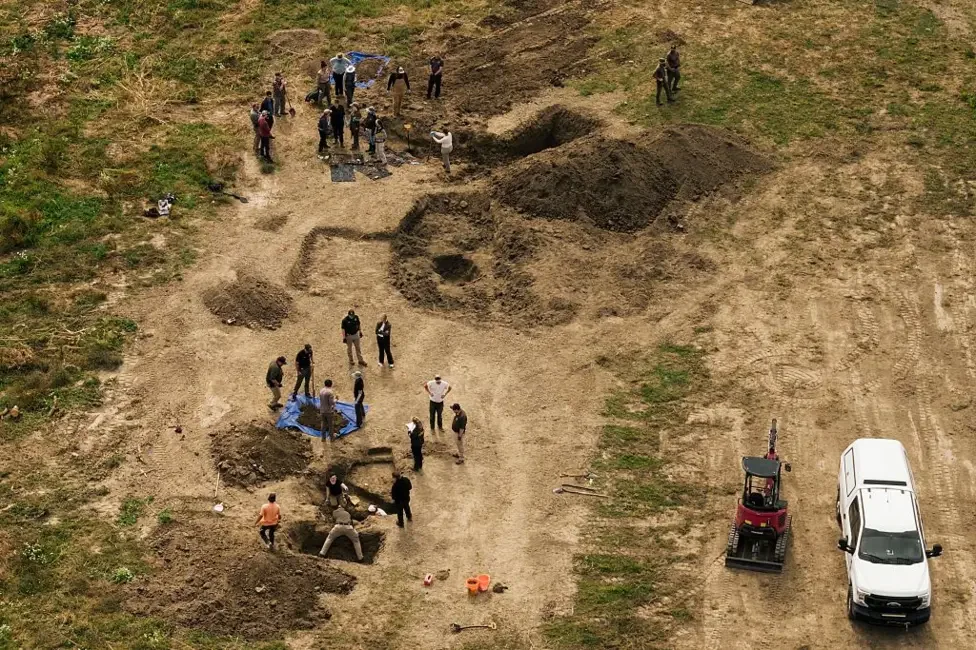
'No-kill' animal sanctuary in California investigated after 117 dogs found in gruesome mass grave