
Today in News History
On July 12, several notable moments in the history of News stand out. In 1801, French astronomer Jean-Louis Pons makes his first comet discovery. In the next 27 years he discovers another 36 comets, more than any other person in history. In 1880, Friedrich Lahrs, German architect and academic (died 1964) was born. In 1909, Simon Newcomb, Canadian-American astronomer and mathematician (born 1835) passed away. In 1924, César Lattes, Brazilian physicist and academic (died 2005) was born. In 1927, Theodore Maiman, American-Canadian physicist and engineer (died 2007) was born. In 1928, Bobo Olson, American boxer (died 2002) was born. In 1930, Ezra Vogel, American sociologist (died 2020) was born. In 1931, Tullio Regge, Italian physicist and academic (died 2014) was born. In 1954, Julia King, English engineer and academic was born. In 1968, Michael Geist, Canadian journalist and academic was born. Together, these milestones provide historical context for today's news news and ongoing narratives.
Anthropic found a hidden space where Claude puzzles over concepts
The AI firm Anthropic has developed a technique that has given it the clearest glimpse yet at what’s really going on inside large language models as they answer questions or carry out tasks. What they found ranges from the mundane to the unnerving. Researchers at the company built a tool called the Jacobian lens (or
Narrative Intelligence Brief
This article was published by MIT Technology Review, a source frequently categorized with a Unknown bias based in United States of America. Our narrative intelligence engine continuously monitors coverage from this outlet to track framing, bias, and rhetorical patterns. Our initial algorithmic scan of this specific piece did not flag high-confidence rhetorical techniques, suggesting a generally straightforward reporting style or neutral framing. By understanding the editorial perspective of MIT Technology Review, readers can better contextualize the information presented and compare it across our broader media matrix to find the real narrative.
More from MIT Technology Review
July 10, 2026
The Download: Claude’s inner workings and OpenAI’s “super app”
July 10, 2026
Sperm donors need limits, says a European fertility group
July 9, 2026
The Download: a nuclear landmark, and China eyes Nvidia chips
July 9, 2026
Four nuclear reactors hit a big milestone in the US
July 8, 2026
EmTech AI 2026: The Rise of the AI Platform
Analysis Methodology
This narrative analysis was generated using the CoDataLab Global Intelligence Engine. Our proprietary AI scans thousands of cross-border sources to identify sentiment patterns, framing techniques, and potential media bias. While AI provides the data-driven foundation, our objective is to empower readers with additional context beyond the standard headline.The content displayed above is a structured summary designed for rapid information processing. For the full original report, please visit the source outlet.More Coverage
Discussion
"argentina"
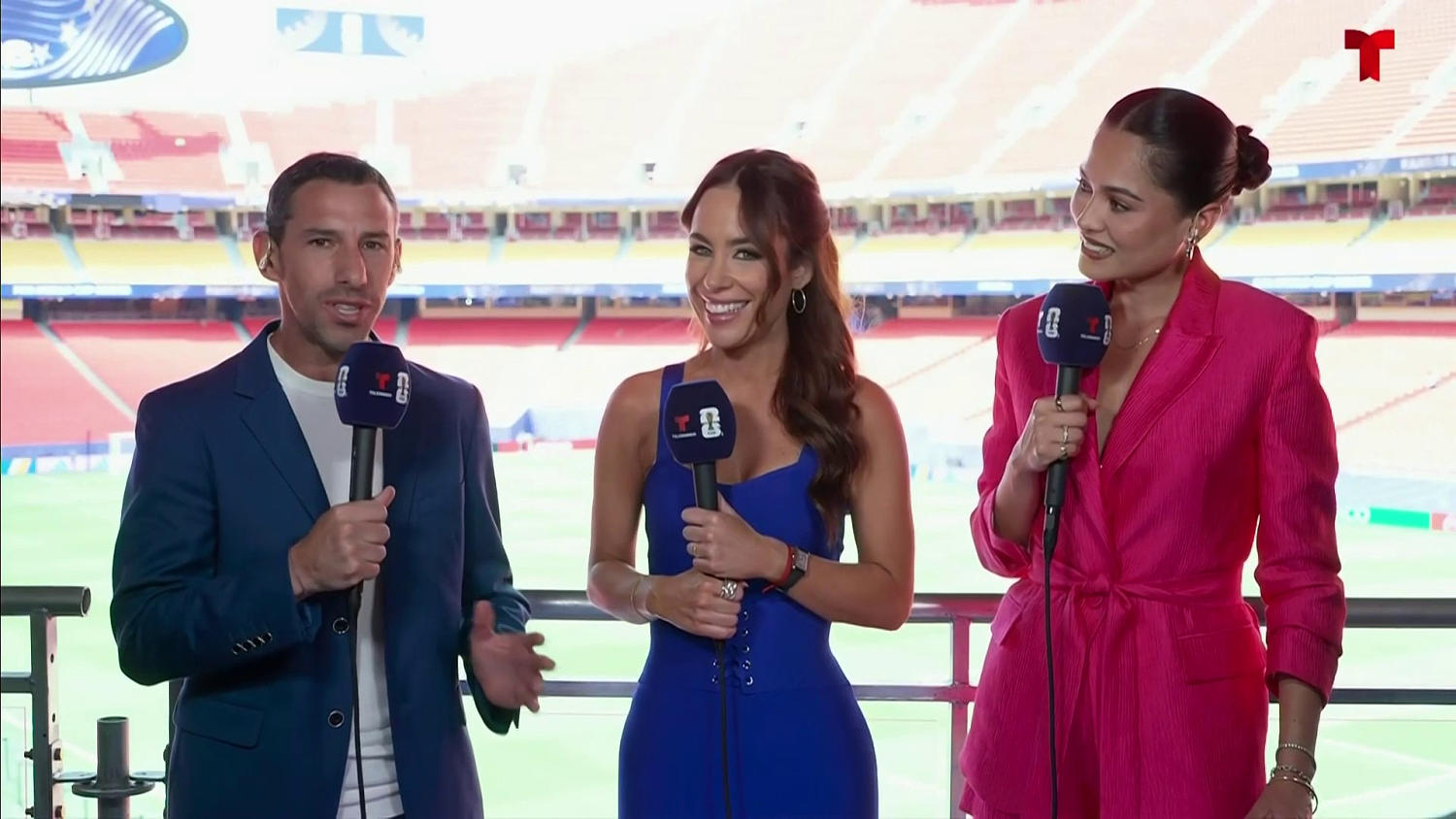
Maxi Rodríguez se rinde ante Mikel Merino por su gran actuación con España | Hoy en el Mundial
Argentina Women’s Youth National Team Coach Accused of Sexual Harassment
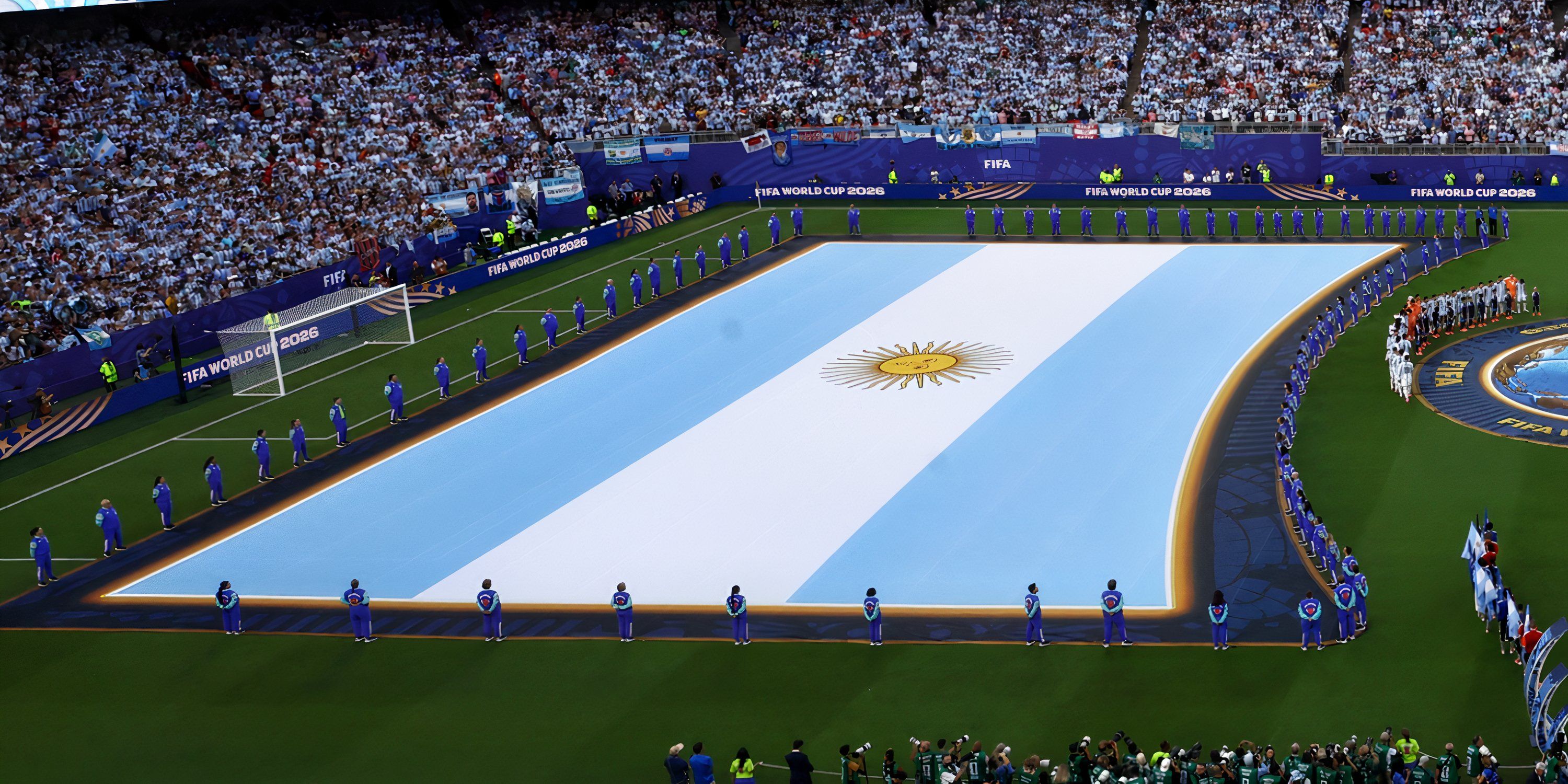
Argentina's Antonio Rattín Dies; 1966 World Cup Dismissal Led To Red & Yellow Cards

How other outlets are covering this story
Compare narratives across 6 related reports from 6 sources. Real Narrative News aggregates the coverage spectrum so you can see who emphasises what — bias tags reflect the outlet, not the story.
Coverage bias distribution
6 sources
Left 33%
Center 33%
Right 33%
Bloomberg
· Jul 7, 2026
Anthropic Says Claude Can Mimic How The Human Brain Processes Information
Yesterday Anthropic launched a video stating that Claude was able to mimic how the human brain processes information. Calling 'the collection of these patterns the J-space—named after the technique we used to find them, involving a mathematical concept called the Jacobian. Miriam Vogel, President and CEO of EqualAI joins to discuss this as well as what this revelation means for future of AI. (Source: Bloomberg)
The Standard
· Jul 5, 2026
Country pub of the week: The Gunton Arms, Norfolk
Embrace the eccentricity of this art-filled wonder, says Fiona Roberts-Moore
Gary Taubes
· Mar 6, 2024
SUBSTACK 6: DO WE CARE WHY MICE GET FAT?
by GT When Nina Teicholz and I were discussing working together on a Substack newsletter, I suggested a name for it that I’d always joked I’d someday use: “Let’s Pretend This Is Science.” Let’s just say, wiser heads prevailed. Still, that’s the phrase that comes to mind when I write about some of the research in...Read More »
The Next Web
· Jun 23, 2026
Anthropic launches Claude Tag, an always-on AI teammate that lives in your Slack channels
Anthropic is launching Claude Tag in research preview, an “always-on Claude” that lives inside Slack and acts as a persistent AI teammate. The feature lets users tag @Claude to get insights in conversations and assign tasks. It is available to Claude Enterprise and Claude Team customers starting today. Claude Tag is an evolution of Anthropic’s [] This story continues at The Next Web
Campus Technology: All Articles
· Jul 1, 2026
Anthropic, NVIDIA Move AI Agents Deeper into Scientific Workflows
Anthropic has introduced Claude Science, a new AI workbench for scientists that integrates research tools, produces auditable artifacts, and connects to specialized life sciences models and workflows from NVIDIA.
Tucker Carlson
· Jun 22, 2026
Tucker: “The Whole Story Is Bizarre”
Watch more here: https://www.youtube.com/@TuckerCarlson/featured
Topics:
Related coverage for "Anthropic found a hidden space where Claude puzzles over concepts": Bloomberg — Anthropic Says Claude Can Mimic How The Human Brain Processes Information. The Standard — Country pub of the week: The Gunton Arms, Norfolk. Gary Taubes — SUBSTACK 6: DO WE CARE WHY MICE GET FAT?. The Next Web — Anthropic launches Claude Tag, an always-on AI teammate that lives in your Slack channels. Campus Technology: All Articles — Anthropic, NVIDIA Move AI Agents Deeper into Scientific Workflows. Tucker Carlson — Tucker: “The Whole Story Is Bizarre”