
0
An AI fix for America’s $27 billion grocery waste problem
April 21, 2026
Posted 3 hours ago by
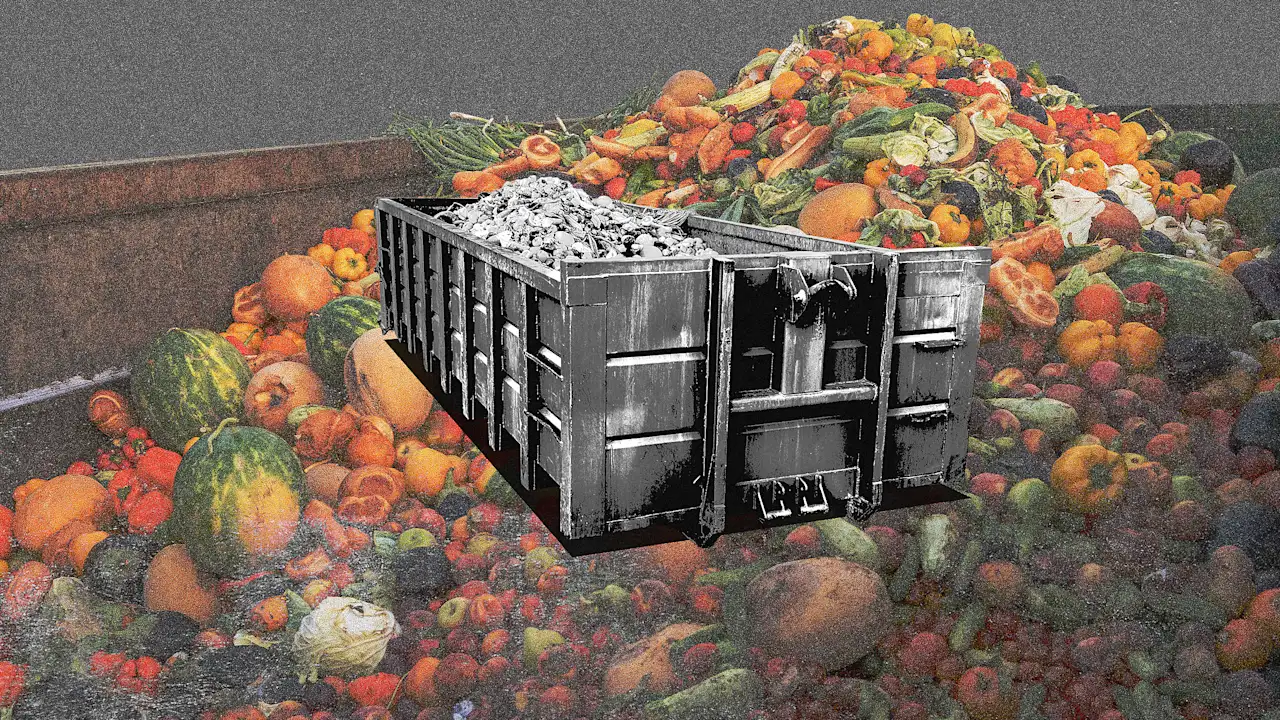
Grocery stores waste around four million tons of food in the U.S. each year—mostly fresh food, since it’s hard for store managers to know exactly how many cartons of strawberries or pounds of beef to keep in stock to meet demand. Until fairly recently, most of that planning happened manually. But AI tools from the startup Afresh are helping stores cut waste by as much as 25.
The company announced 34 million in new funding today to expand, co-led by Just Climate and High Sage Ventures. A decade ago, when Afresh cofounders Matt Schwartz and Nathan Fenner were MBA students at Stanford and looked at the challenge of food waste, they started visiting grocery stores and saw produce managers using printed spreadsheets to estimate inventory and write orders. While some stores used software to track and order packaged food, fresh food still relied on basic methods and educated guesses. “It was ultimately a pen and paper process,” Schwartz says. Schwartz and Fenner started building a tool that could more accurately estimate how much food was in the store—a complicated challenge. Produce that’s sold by weight might literally be evaporating as it loses water. Customers in the self-checkout aisle might be paying for a non-organic apple when they’re actually buying organic. Food that goes bad on the shelf, from raspberries to salmon fillets, often isn’t accurately counted when it’s thrown away. [Images: Afresh] The software uses data from each grocer—in some cases, hundreds of billions of transactions—and looks at pricing, promotions, where the food shipped from, and other factors to understand the perishability of each product. Deep learning models also forecast demand based on another range of factors, from the timing of food stamps to the weather. Then an optimization algorithm suggests how much of each product to order. Over time, the models continue to learn and improve. The company often begins with a test in 10 to 20 stores in a chain, and then compares that performance to a control group of stores during the same time period. “We typically see 20 to 25 reduction in shrink when we go live with our system,” says Schwartz. It’s now in use more than 12,500 grocery store departments nationally, including Safeway and Albertsons. Stores can use the data in other ways—in some stores, for example, Afresh has flagged that produce displays are too large so stores can resize them or use “dummy” displays to make piles look bigger with less actual fruit. Grocers can also use fruit and vegetables that are about to go bad in prepared products, such as repurposing avocados in guacamole. (Afresh also recently rolled out another tool to help grocers accurately forecast demand for prepared food in store delis.) By better predicting how much can sell in the store, it helps reduce waste in other parts of the supply chain. “When you clean up store ordering, it makes it easier for distribution centers to buy the right amount,” Schwartz says. “Then, ideally, if DCs are buying the right amount, that gives a cleaner demand signal to growers, who can better react and fulfill demand to the grocers.” As stores have the right amount of food at the right time, they can also get customers fresher food that lasts longer in the fridge. There’s a clear environmental win to reducing the waste; food waste from retail stores was responsible for around 16 million tons of CO2-equivalent emissions in 2024. But there’s also an obvious financial incentive for stores, who lost 26.9 billion in sales the same year. “If you can avoid a dollar of food waste, you’re creating a dollar profit for a grocer,” Schwartz says. “And for a 1-3 net margin business, that’s a profound impact on their bottom line.”
Fast Company
Coverage and analysis from United States of America. All insights are generated by our AI narrative analysis engine.