
Today in News History
On July 13, several notable moments in the history of News stand out. In 1812, The American Army of the Northwest briefly occupies the Upper Canadian settlement at what is now at Windsor, Ontario. In 1913, Serbian forces begin their siege of the Bulgarian city of Vidin; the siege is later called off when the war ends. In 1920, The Soviet-Lithuanian Peace Treaty is signed, by which Soviet Russia recognizes the independence of Lithuania. In 1943, World War II: Battle of Kursk: German and Soviet forces engage in the Battle of Prokhorovka, one of the largest armored engagements of all time. In 1952, Irina Bokova, Bulgarian politician, Bulgarian Minister of Foreign Affairs was born. In 1961, ČSA Flight 511 crashes at Casablanca-Anfa Airport in Morocco, killing 72. In 1998, Shai Gilgeous-Alexander, Canadian basketball player was born. In 2001, Space Shuttle program: Space Shuttle Atlantis is launched on mission STS-104, carrying the Quest Joint Airlock to the International Space Station. In 2006, The 2006 Lebanon War begins. In 2012, Syrian Civil War: Government forces target the homes of rebels and activists in Tremseh and kill anywhere between 68 and 150 people. Together, these milestones provide historical context for today's news news and ongoing narratives.
After Ankara: is Nato a United Front Again?
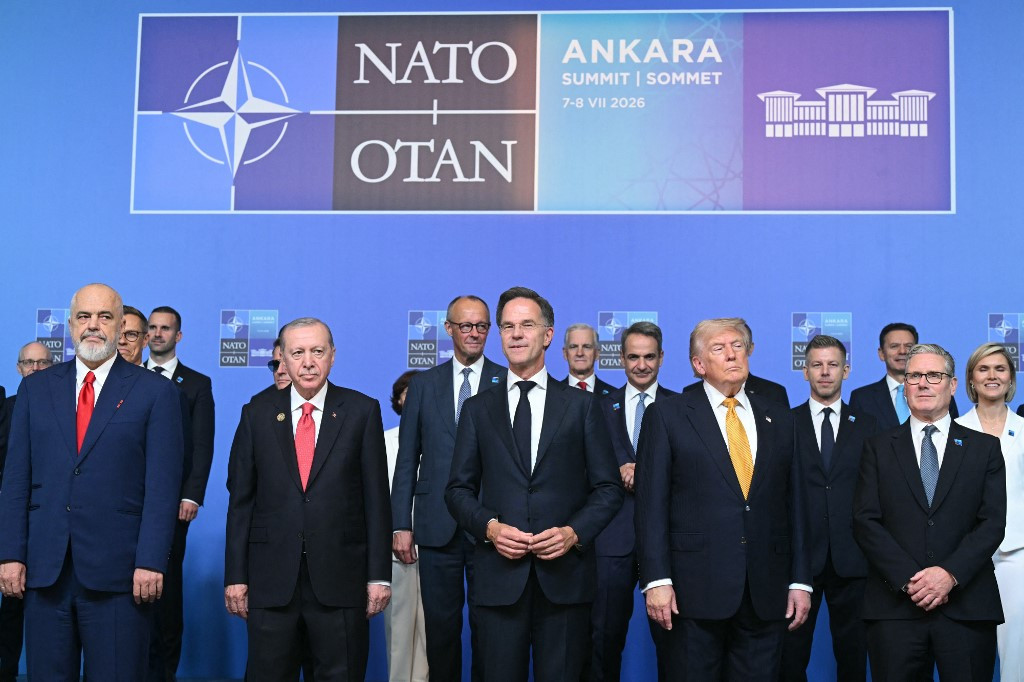
The conclusion of the NATO summit in Ankara has prompted diverse reactions across international media. While the final declaration emphasized unity, increased European defense spending, and a 140 billion military aid package for Ukraine, editorial opinions remain divided. Outlets in Lithuania and Spain view the summit as a successful preservation of the alliance and a necessary catalyst for European military autonomy. Conversely, German and Italian commentators express concerns over the erosion of transatlantic trust and a disturbing new obsession with militarization.
Narrative Intelligence Brief
This article was published by Kyiv Post, a source frequently categorized with a lean left bias based in Ukraine. Our narrative intelligence engine continuously monitors coverage from this outlet to track framing, bias, and rhetorical patterns. Our initial algorithmic scan of this specific piece did not flag high-confidence rhetorical techniques, suggesting a generally straightforward reporting style or neutral framing. By understanding the editorial perspective of Kyiv Post, readers can better contextualize the information presented and compare it across our broader media matrix to find the real narrative.
More from Kyiv Post
July 12, 2026
Did Putin Give Up Part of the Spoils of War in Ukraine Because of the Olympics in America?
July 12, 2026
Russian Authorities Deploy Teachers to Gas Stations to Manage Drivers
July 12, 2026
Russian Drones Strike Fire Station in Kharkiv Region and Public Transport in Kherson
July 12, 2026
Russian Drones Strike Fire Station in Kharkiv Region and Public Transportation in Kherson
July 12, 2026
More Women Doing Dangerous Humanitarian Work
Analysis Methodology
This narrative analysis was generated using the CoDataLab Global Intelligence Engine. Our proprietary AI scans thousands of cross-border sources to identify sentiment patterns, framing techniques, and potential media bias. While AI provides the data-driven foundation, our objective is to empower readers with additional context beyond the standard headline.The content displayed above is a structured summary designed for rapid information processing. For the full original report, please visit the source outlet.More Coverage
Discussion
"strikes iran"
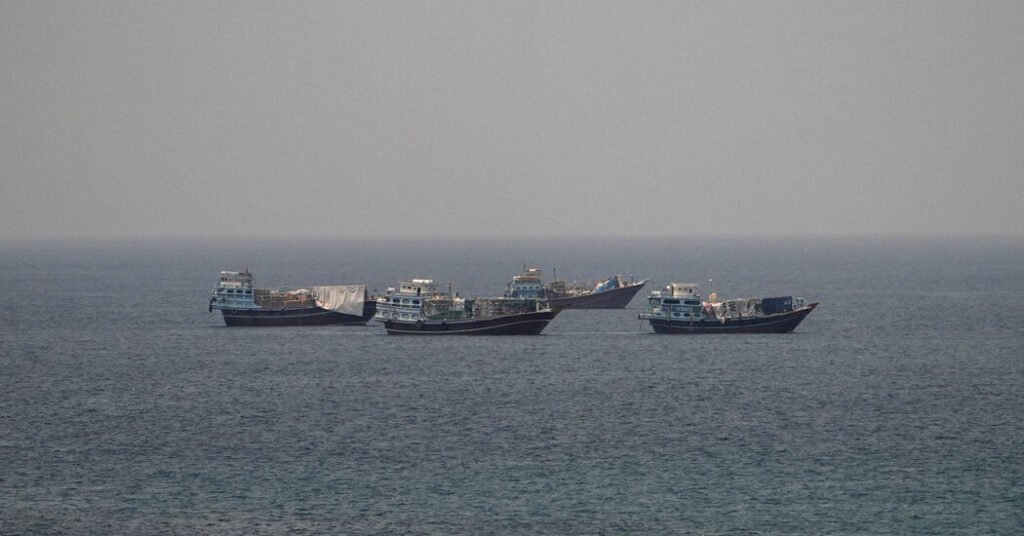
US Strikes Iranian Missile Systems, IRGC Boats Near Hormuz
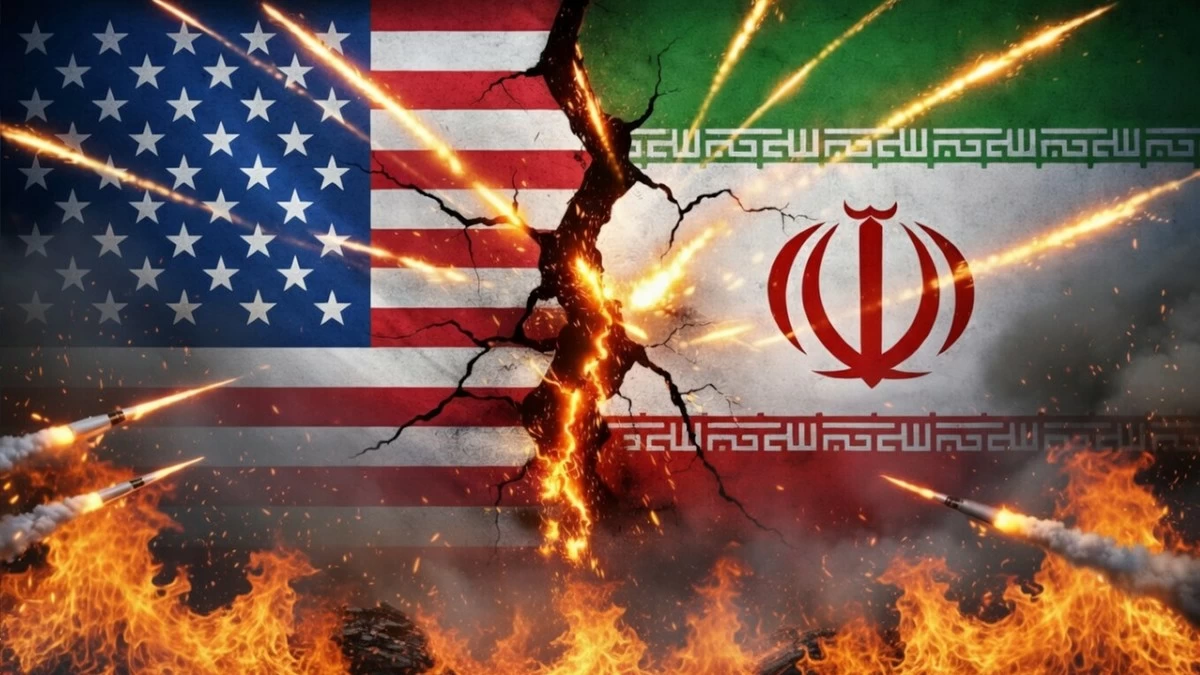
‘Now they pay’: US strikes Iran again after regime declares Strait of Hormuz closed
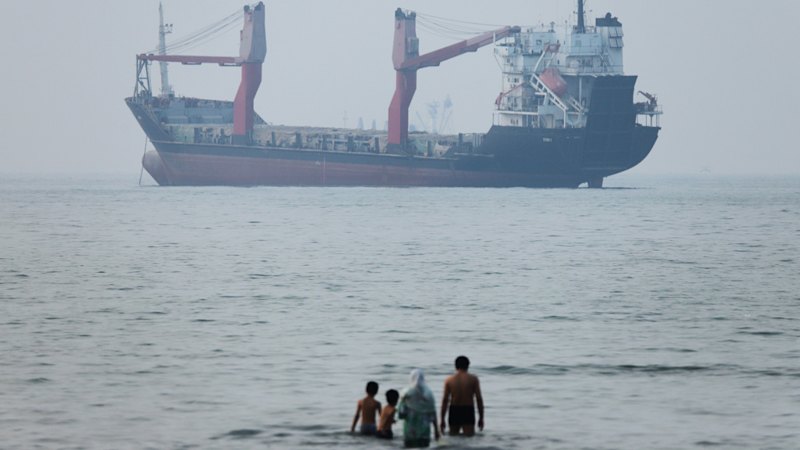
U.S. Strikes Iran After Iran Fires on Ship in Strait of Hormuz
How other outlets are covering this story
Compare narratives across 6 related reports from 6 sources. Real Narrative News aggregates the coverage spectrum so you can see who emphasises what — bias tags reflect the outlet, not the story.
Coverage bias distribution
6 sources
Left 50%
Center 0%
Right 33%
The Kyiv Independent
· Jul 11, 2026
The Ankara NATO Summit — A reality check on words and deeds
The Ankara NATO summit held the facade of transatlantic unity, produced significant practical outcomes in defense-industrial cooperation, and brought greater clarity to sustained support for Ukraine.The central question, however, was left unresolved: the trajectory of continuing American disengagement from European security, and the terms and timetable on which Europe
Kyiv Post
· Jul 2, 2026
NATO Next
NATO’s most consequential summit since 1949 opens July 7 in Ankara, as the alliance grapples with Trump’s threats to disengage, European underinvestment in defense, and Russia’s escalating hybrid warfare campaign. Ukraine, though not a member, has become indispensable to Europe’s security architecture, fielding one of the continent’s most capable militaries. The summit is expected to reaffirm NATO unity, push Europe toward greater self-reliance, and cement Ukraine’s role in the alliance’s long-term strategy.
Washington Examiner
· Jul 9, 2026
Turkey is beating out Israel for Trump’s affection
Despite the happy talk, the Ankara NATO summit failed to restore unity within the alliance and refocus NATO on its core mission of deterrence. Still, there is one country that can confidently declare success: Turkey. Turkish President Recep Tayyip Erdogan’s government had been gearing up for this summit, fully aware of the opportunities it presented. []
Al-Monitor
· Jun 30, 2026
Exclusive-Turkey says NATO adjusting to security landscape, US not withdrawing
By Tuvan GumrukcuANKARA, June 30 (Reuters) - NATO is adjusting to a shifting security landscape and the United States is not seeking to leave the alliance, Turkish Defence Minister Yasar Guler told Reuters ahead of a NATO summit in Ankara next week.Turkey will host 32 NATO leaders, as well as officials from the Gulf and Asia-Pacific region, on July 7-8, amid tensions within the alliance over burden-sharing, defence spending, and U.S. complaints about allies' lack of involvement in re-opening the Strait of Hormuz.
Modern Diplomacy
· Jul 10, 2026
Mistaking an Army for a Creed: NATO, Trump, and the Future of Liberal Internationalism
The NATO Ankara summit is a eulogy for one model of liberal internationalism. It should become the cradle of a better one. Donald Trump went to Ankara this week and asked the allies for loyalty. He said it beside Recep Tayyip Erdogan, whom he had praised for his loyalty in the war on Iran, and [] The post Mistaking an Army for a Creed: NATO, Trump, and the Future of Liberal Internationalism appeared first on Modern Diplomacy.
AzerNews
· Jul 7, 2026
How NATO Summit in Ankara redefines Ukraine's role in European security
The 36th NATO Summit in Ankara marks a fundamental paradigm shift in the geopolitical architecture of the Euro-Atlantic alliance, one that moves past the predictable rhetoric of transatlantic solidarity to address a messy, multi-polar reality. While mainstream commentary remains hyper-focused on the high-stakes bilateral diplomacy playing out in the corridors of the Presidential Complex, the true structural evolution of this summit lies embedded within the text of its declarations.
Topics:
Related coverage for "After Ankara: is Nato a United Front Again?": The Kyiv Independent — The Ankara NATO Summit — A reality check on words and deeds. Kyiv Post — NATO Next. Washington Examiner — Turkey is beating out Israel for Trump’s affection. Al-Monitor — Exclusive-Turkey says NATO adjusting to security landscape, US not withdrawing. Modern Diplomacy — Mistaking an Army for a Creed: NATO, Trump, and the Future of Liberal Internationalism. AzerNews — How NATO Summit in Ankara redefines Ukraine's role in European security