
Today in News History
On July 12, several notable moments in the history of News stand out. In 70, The armies of Titus attack the walls of Jerusalem after a six-month siege. Three days later they breach the walls, which enables the army to destroy the Second Temple. In 1879, Margherita Piazzola Beloch, Italian mathematician (died 1976) was born. In 1913, The Second Revolution breaks out against the Beiyang government, as Li Liejun proclaims Jiangxi independent from the Republic of China. In 1926, Gertrude Bell, English archaeologist and spy (born 1868) passed away. In 1944, Simon Blackburn, English philosopher and academic was born. In 1947, Richard C. McCarty, American psychologist and academic was born. In 1949, Douglas Hyde, Irish scholar and politician, 1st President of Ireland (born 1860) passed away. In 1959, Karl J. Friston, English psychiatrist and neuroscientist was born. In 1975, São Tomé and Príncipe declare independence from Portugal. In 1992, Caroline Pafford Miller, American journalist and author (born 1903) passed away. Together, these milestones provide historical context for today's news news and ongoing narratives.
A second pregnancy changes the brain in a different way from the first, new research suggests
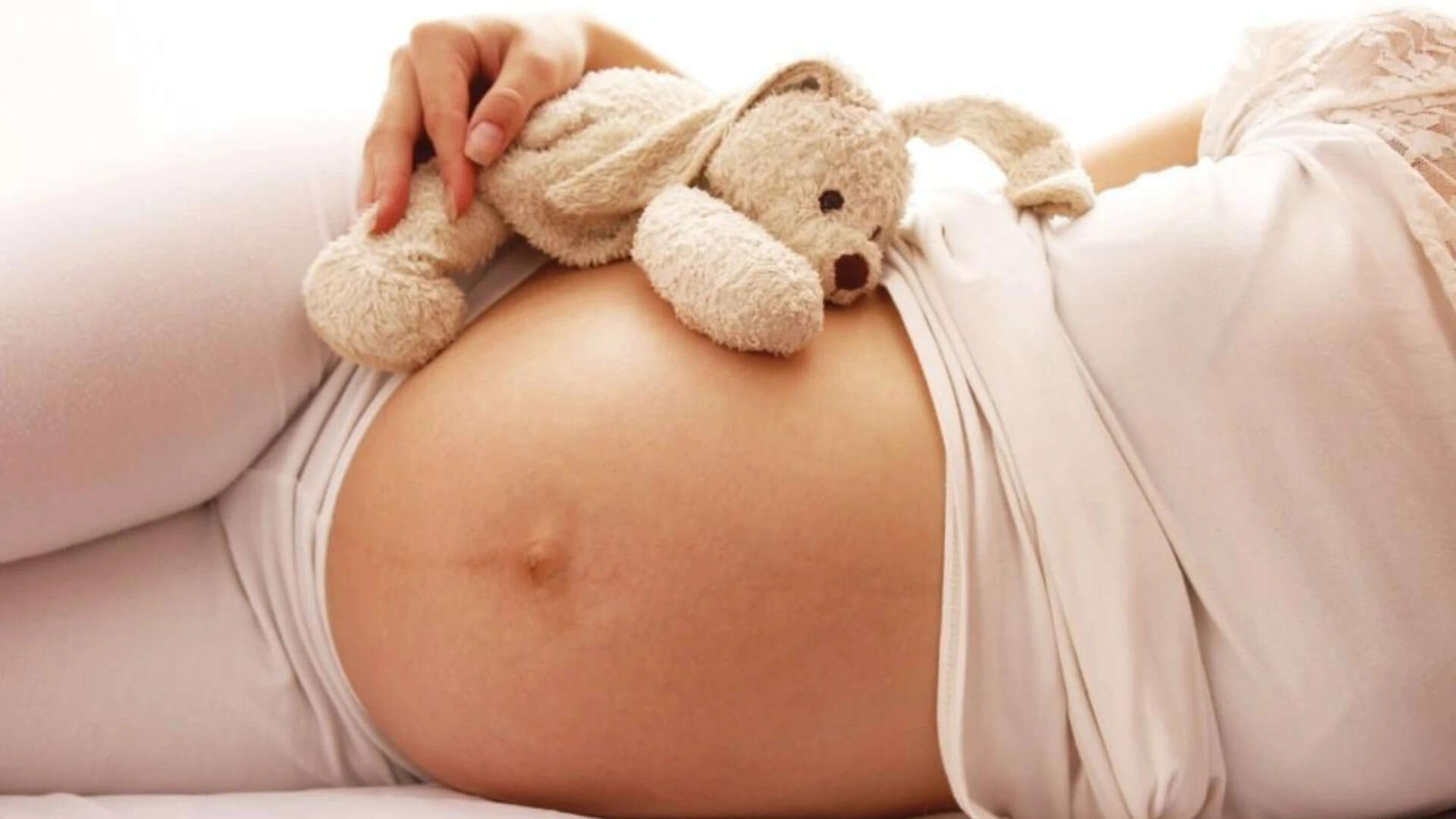
Recent research indicates that a mother's brain undergoes distinct transformations during second pregnancies compared to the first. These adaptations enhance attention and sensory processing, facilitating the care of multiple children. Notably, brain scans clearly differentiated between first and second pregnancies, revealing connections to maternal bonding experiences and potential peripartum depression risks. This study sheds light on how maternal brains adapt and underscores the need for mental health support.
Narrative Intelligence Brief
This article was published by Times of India, a source frequently categorized with a lean right bias based in India. Our narrative intelligence engine continuously monitors coverage from this outlet to track framing, bias, and rhetorical patterns. Our initial algorithmic scan of this specific piece did not flag high-confidence rhetorical techniques, suggesting a generally straightforward reporting style or neutral framing. By understanding the editorial perspective of Times of India, readers can better contextualize the information presented and compare it across our broader media matrix to find the real narrative.
More from Times of India
July 12, 2026
Quote of the day by Ho Chi Minh: 'Write in such a way that you can be readily understood...'
July 12, 2026
Quote of the day by Alexander the Great: 'An army of sheep led by a lion is better than an army...'
July 12, 2026
Scientists just created a Black Hole-like energy system in a lab without moving anything
July 12, 2026
Dubai Emir owns a 63,000-acre Scotland estate but visited it only 5 times in 20 years because...
July 12, 2026
Two Asian praying mantises are spreading across Europe, and scientists warn they threaten wildlife
Analysis Methodology
This narrative analysis was generated using the CoDataLab Global Intelligence Engine. Our proprietary AI scans thousands of cross-border sources to identify sentiment patterns, framing techniques, and potential media bias. While AI provides the data-driven foundation, our objective is to empower readers with additional context beyond the standard headline.The content displayed above is a structured summary designed for rapid information processing. For the full original report, please visit the source outlet.More Coverage
Discussion
"alexander zverev"



How other outlets are covering this story
Compare narratives across 6 related reports from 6 sources. Real Narrative News aggregates the coverage spectrum so you can see who emphasises what — bias tags reflect the outlet, not the story.
Coverage bias distribution
6 sources
Left 17%
Center 33%
Right 17%
ScienceDaily
· Jul 11, 2026
Second pregnancy changes the brain in surprising new ways
Researchers found that every pregnancy rewires the brain in its own way, with a second pregnancy bringing a different pattern of changes than the first. The discoveries could lead to better ways to recognize and treat maternal mental health challenges, including peripartum depression.
mindbodygreen
· Jul 7, 2026
This Lifelong Habit Was Linked To A Brain That's Up To 13 Years Younger
Yes, seriously, 13 years!
Psyche
· Jun 24, 2026
How to deal with relationship OCD
Repetitive thought spirals about a partner could be a sign of ROCD. But there are ways to reclaim your peace and intimacy- by Marisa T MazzaRead on Psyche
Seeking Alpha
· Jun 26, 2026
Cognition Therapeutics: Clearer FDA Path, But Potential Dilution Risks Remain
Cognition Therapeutics: Clearer FDA Path, But Potential Dilution Risks Remain
Scientific American
· Jun 21, 2026
How becoming a dad changes men’s brains
Fathers show changes in some of the same brain areas as mothers, but the effect of parenthood on dads isn’t nearly as well studied
Inc.com
· Jun 29, 2026
Want Better Brain Health as You Age? A Surprising New Japanese Study Says Start This 1 Habit, and Never Stop
Good news: It’s never too late.
Topics:
Related coverage for "A second pregnancy changes the brain in a different way from the first, new research suggests": ScienceDaily — Second pregnancy changes the brain in surprising new ways. mindbodygreen — This Lifelong Habit Was Linked To A Brain That's Up To 13 Years Younger. Psyche — How to deal with relationship OCD. Seeking Alpha — Cognition Therapeutics: Clearer FDA Path, But Potential Dilution Risks Remain. Scientific American — How becoming a dad changes men’s brains. Inc.com — Want Better Brain Health as You Age? A Surprising New Japanese Study Says Start This 1 Habit, and Never Stop