
0
UAE exit from OPEC rekindles debate over global oil market governance
April 28, 2026
Posted 2 hours ago by
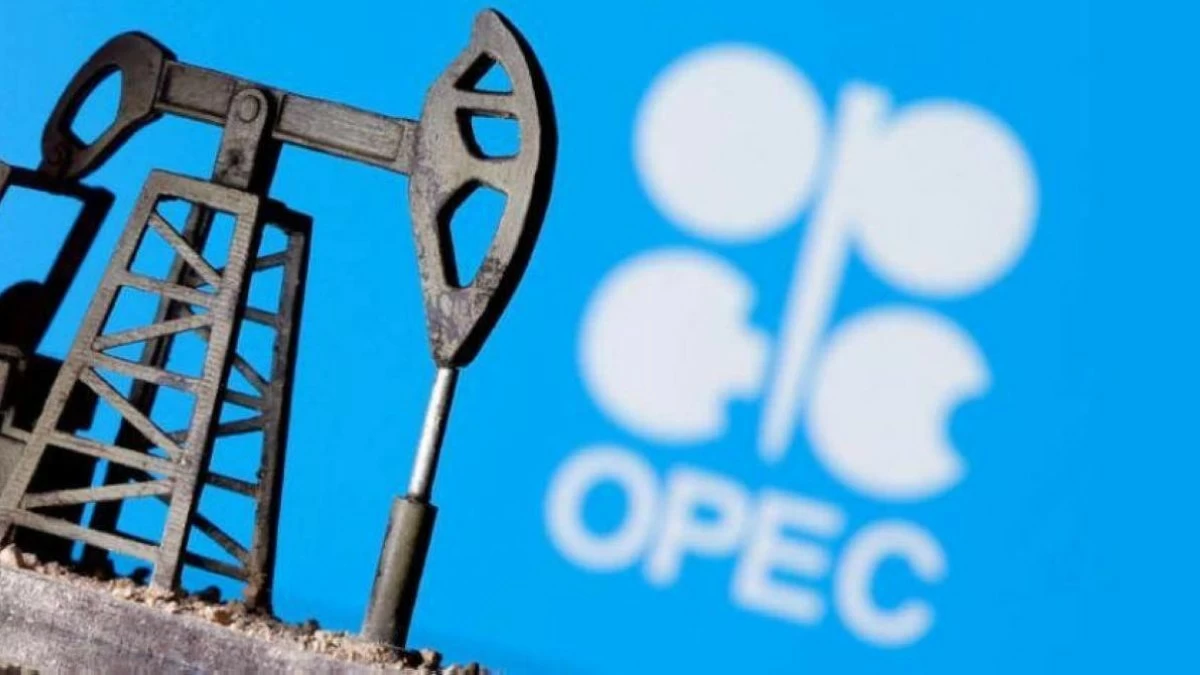
Dubai: The United Arab Emirates’ decision to withdraw from the Organization of the Petroleum Exporting Countries (OPEC) and the OPEC+ alliance has reopened debate over the future of global oil market management, at a time marked by economic shifts alongside rising geopolitical tensions, during which energy markets have become increasingly sensitive to any change in production balances and compliance.The decision aligns with the UAE’s long‑term strategic and economic vision and the development of its energy sector, including accelerating investment in domestic energy production.
It also reinforces the country’s commitment to its role as a responsible and reliable producer that anticipates the future of global energy markets.The move follows an extensive review of the UAE’s production policy and its current and future capacity, and is driven by national interest and the country’s commitment to contributing effectively to meeting urgent market needs. It comes as geopolitical volatility persists in the near term, particularly due to disruptions in the Arabian Gulf and the Strait of Hormuz, which affect supply dynamics. At the same time, underlying trends indicate continued growth in global energy demand over the medium and long term, according to a news agency.A calculated strategyDr Wafaa Ali, Professor of Economics and Energy, said that the UAE’s exit “clearly reflects carefully considered strategic directions adopted by the country since the outbreak of the war in Ukraine and the subsequent energy shocks faced by global markets.”She explained that the UAE is reassessing its commitments within the organization based on economic and strategic considerations, foremost among them increasing its production share and avoiding constraints imposed by production caps, in addition to boosting direct investment flows into the oil sector. This supports plans to raise production to more than five million barrels per day.She added that the decision reflects the UAE’s desire to grant markets greater flexibility, particularly amid rapid changes in the global energy landscape and shifting oil market balances driven by successive geopolitical tensions.She also noted that these tensions have reshaped the global energy agenda, prompting the UAE to take a sovereign decision aimed at maximizing national interests and enhancing production capabilities, especially given its status as one of the major producers within the OPEC+ alliance.She further stressed that the UAE’s pursuit of economic diversification alongside energy sector development reflects a long‑term vision aimed at achieving sustainable growth and strengthening its presence in global markets even beyond periods of geopolitical crises, including tensions in the Strait of Hormuz region.She concluded by emphasizing that, despite this step, the UAE will continue to adopt a balanced policy toward supply and demand, supporting global market stability while enhancing its future gains within its broader vision for developing the oil and energy sector.The UAE’s move comes within a highly complex regional and international context, where energy decisions are no longer separate from considerations of security, trade, and political alliances. This makes the decision more than a simple withdrawal from the organization, but rather a potential signal of a deeper reshaping of influence maps in the global oil market.The decision also follows decades of constructive cooperation. The UAE joined OPEC in 1967 through the Emirate of Abu Dhabi and maintained its membership after the establishment of the United Arab Emirates in 1971. Throughout this period, the country played an active role in supporting global oil market stability and strengthening dialogue among producing nations.Strategic moveFor his part, Reda Mosallam, Managing Director of Truth Economic Consulting in Abu Dhabi, said that the UAE’s exit from OPEC and OPEC+ “represents a carefully calculated strategic move that reflects a fundamental shift in the country’s energy management philosophy.”He explained that OPEC has played a central role for decades in shaping production policies and influencing global oil prices as one of the most important regulatory tools in the energy market. However, a decision of this scale can only be taken following a comprehensive assessment of its economic and political implications, in line with the country’s supreme interests.Mosallam noted that this shift reflects a move toward strengthening independence in oil decision‑making, enabling the state to adjust production levels up or down according to market conditions and national interests, free from the collective commitments imposed by international organizations.He added that the UAE possesses the technical capabilities and oil reserves that allow it to increase production when needed, supported by advanced infrastructure and long‑term contracts with key partners in Asia, most notably Japan and South Korea, granting it greater flexibility in managing exports.Regarding the potential impact on oil markets, he said the decision “could lead to a reshaping of balances within the global energy market, as the UAE shifts from being part of a collective system to an influential independent player with greater freedom in directing its production and pricing policies.”He also pointed out that the move may cause temporary volatility or uncertainty in markets due to the UAE’s weight in global production, but at the same time reflects a growing reality in international relations, where countries increasingly prioritize national interests.He concluded by stressing that the step “is not merely a tactical move, but represents a deep strategic transformation in resource management, and could open the door to a broader redefinition of cooperation frameworks in the global oil market.”
Emirates 24/7
Coverage and analysis from United Arab Emirates. All insights are generated by our AI narrative analysis engine.