
Tiananmen Square Massacre Survivor Reflects on Prison, Silence, and the CCP’s Future
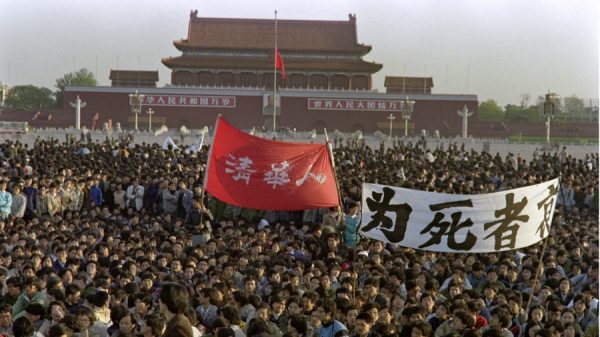
A firsthand witness to the 1989 Tiananmen Square massacre reflects on imprisonment, generational silence, and why he compares Western engagement with Beijing to pre-war appeasement of Nazi Germany. Thirty-seven years after Chinese Communist Party troops opened fire on unarmed students gathered in Beijing’s Tiananmen Square, most young people in China have no access to any []
Narrative Intelligence Brief
This article was published by Vision Times, a source frequently categorized with a right bias based in China. Our narrative intelligence engine continuously monitors coverage from this outlet to track framing, bias, and rhetorical patterns. Our initial algorithmic scan of this specific piece did not flag high-confidence rhetorical techniques, suggesting a generally straightforward reporting style or neutral framing. By understanding the editorial perspective of Vision Times, readers can better contextualize the information presented and compare it across our broader media matrix to find the real narrative.
Explore related topics: Stay informed with Real Narrative News as we track unfolding stories. Dive deeper into our coverage of pivotal topics including iran war, conference transcript, nba finals, real madrid, war powers, sells stock, powers resolution, earnings transcript, house passes, and donald trump. Our intelligence streams continuously monitor these keywords to bring you unbiased analysis and real-time updates on topics like "Tiananmen Square Massacre Survivor Reflects on Prison, Silence, and the CCP’s Future".
More from Vision Times
June 3, 2026
New York Restaurant Show 2026 Brings Together the Heart of the Hospitality Industry
June 3, 2026
Los Angeles June 4 Museum Vandalized Days Ahead of Tiananmen Anniversary
June 3, 2026
Rubio Says US Will Screen Iran World Cup Delegation for IRGC Links
June 3, 2026
Chinese Military-Linked Institutions Seek Access to NVIDIA’s Advanced AI Chips
June 3, 2026
California Tiananmen Museum Vandalized Ahead of Massacre Anniversary
Analysis Methodology
This narrative analysis was generated using the CoDataLab Global Intelligence Engine. Our proprietary AI scans thousands of cross-border sources to identify sentiment patterns, framing techniques, and potential media bias. While AI provides the data-driven foundation, our objective is to empower readers with additional context beyond the standard headline.The content displayed above is a structured summary designed for rapid information processing. For the full original report, please visit the source outlet.More Coverage
Discussion