
Say no to pesticides, mix up your lawn – and six more ways to help bees to thrive
April 8, 2026
Wildlife | The Guardian
Like so many flying insects, these essential pollinators are suffering because of habitat loss and the overuse of chemicals. Here’s how to give them a healthier, happier homeWe know about honeybees and bumblebees, but most of the UK’s bees are neither: they’re solitary bees, loners who come in a dizzying range of sizes, colours and varieties – more than 240 species.
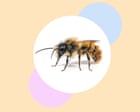
Have you heard, for instance, of the hairy-footed flower bee? “They’re one of the first bees to emerge each year,” says Laura Larkin, the chief conservation officer at Buglife. “The males have got fantastic little fluffy bits on their feet.”How about leaf-cutter bees, which chomp “a perfectly circular hole” out of leaves to build their nests? Or bright-orange tawny mining bees, wool-carder bees, ivy bees? “There are so many of them and I’m still learning,” says Kate Bradbury, a wildlife gardener, writer, bee lover and the author of One Garden Against the World. “They’re just great – there’s a solitary bee for every occasion.” Continue reading...
Wildlife | The Guardian
Coverage and analysis from United Kingdom. All insights are generated by our AI narrative analysis engine.