
0
Little-known leg condition linked to amputation risk doubles in prevalence across Britain as expert warns 'don't ignore' symptoms
May 12, 2026
Posted 2 hours ago by
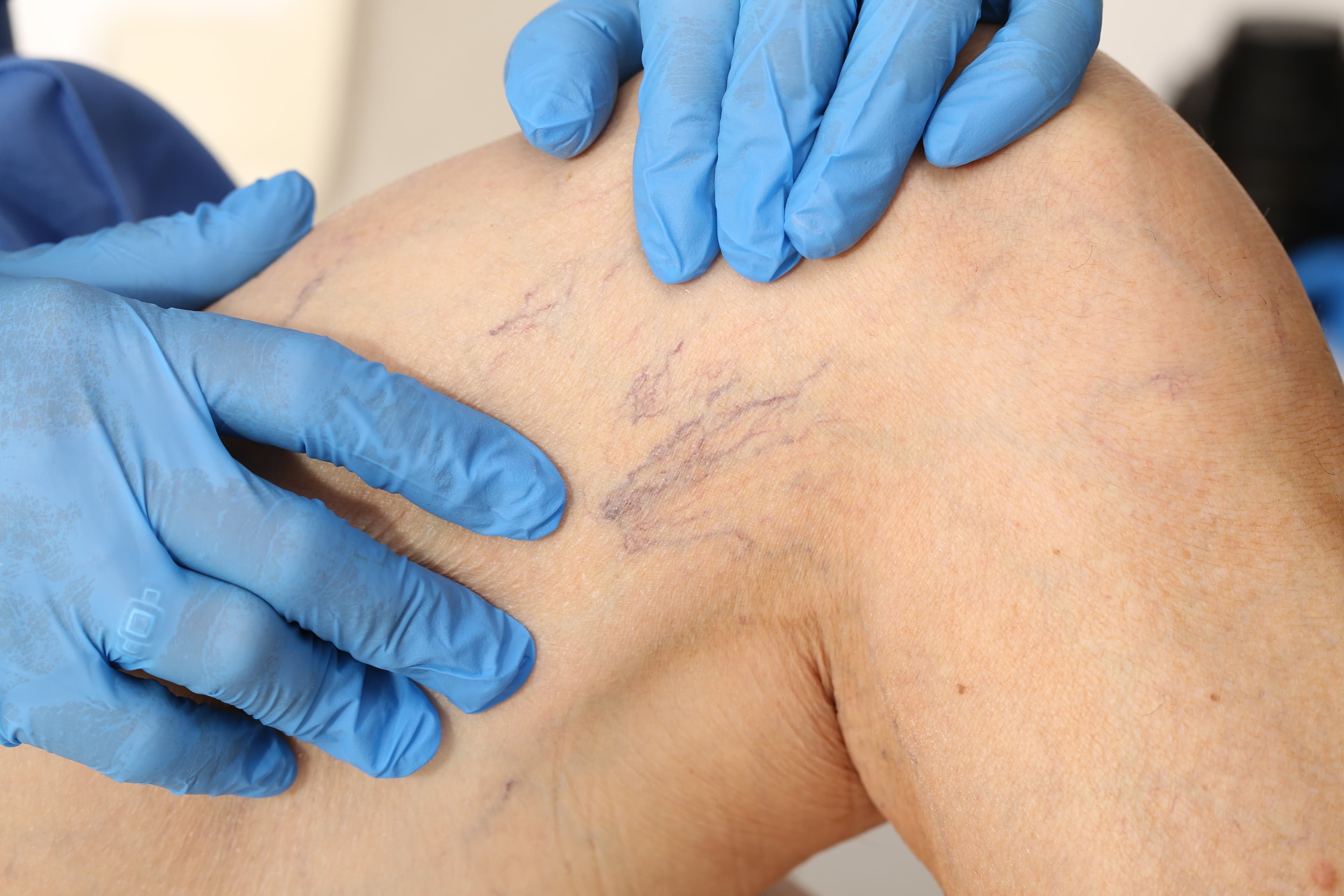
Long associated with ageing and varicose veins, venous leg ulcers have quietly doubled in prevalence across Britain over the past decade, placing a mounting burden on both patients and the NHS.Half a million people across the United Kingdom are believed to be living with the largely unrecognised leg condition - and it carries a grave risk of amputation when left untreated.
Venous leg ulcers are chronic wounds affecting the lower limbs due to inadequate blood circulation in the veins, costing the NHS an estimated £2.7billion annually. Doctor Mark Bratby, a consultant interventional radiologist at VeinCentre, is issuing an urgent appeal for greater public awareness of this frequently overlooked ailment. TRENDING Stories Videos Your Say Venous leg ulcers are a serious but often overlooked condition that can have a profound impact on a patient's quality of life, he said. What's concerning is that many of these cases are preventable with earlier diagnosis and treatment.Approximately four in five venous leg ulcers stem from varicose veins and circulatory insufficiency, where blood fails to flow adequately back towards the heart. This results in excessive pressure on the veins and ultimately damages the surrounding skin tissue.Many people live with symptoms like aching, swelling or varicose veins for years without realising these could be early warning signs of something more serious, Dr Bratby commented.If these symptoms are ignored, the skin can begin to break down, eventually leading to a chronic wound that is much harder to treat.Ulcers can rapidly become conditions requiring months to heal, in some severe cases, potentially resulting in infection, sepsis and limb loss.And while conventional treatments like compression therapy target symptom management, they fail to tackle the fundamental problem, Dr Batby cautions.Treating the underlying venous insufficiency is key to improving outcomes and reducing the risk of ulcers returning, he said.If you notice changes in your legs, don't ignore them. Early treatment can prevent serious complications and make a significant difference to long-term health.LATEST DEVELOPMENTS:'I'm a trainer and here's how to make walking the best exercise for weight loss'Gymgoer shares 'secret formula' for fat loss after swapping cardio for simple habitFatty liver disease: How you cook red meat may matter more than how much you eatThe warning comes as a major new study from Spanish research has found that high-intensity interval exercise (HIIE) beats other workouts for improving endothelial function, which is how well the blood vessels expand and contract.Researchers from Miguel Hernández University of Elche and ISABIAL looked at 37 different studies involving nearly 7,000 patients with coronary artery disease or chronic heart failure to determine what happens inside the blood vessels during intense bursts of exercise.When the body is pushed hard and then recovers quickly, rapid fluctuations in blood flow create something called shear stress, basically, friction against vessel walls.The body enjoys this stimulus and responds by producing more nitric oxide, which is optimal for keeping the arteries relaxed and healthy.HIIE appears as the most robust option based on current evidence, explained UMH professor José Manuel Sarabia, who co-led the research. It consistently outperforms moderate-intensity continuous exercise in improving vascular function.Our Standards: The GB News Editorial Charter
GB News
Coverage and analysis from United States of America. All insights are generated by our AI narrative analysis engine.