
Labour 'stopped train companies from buying cheap fuel in advance of Iran war'
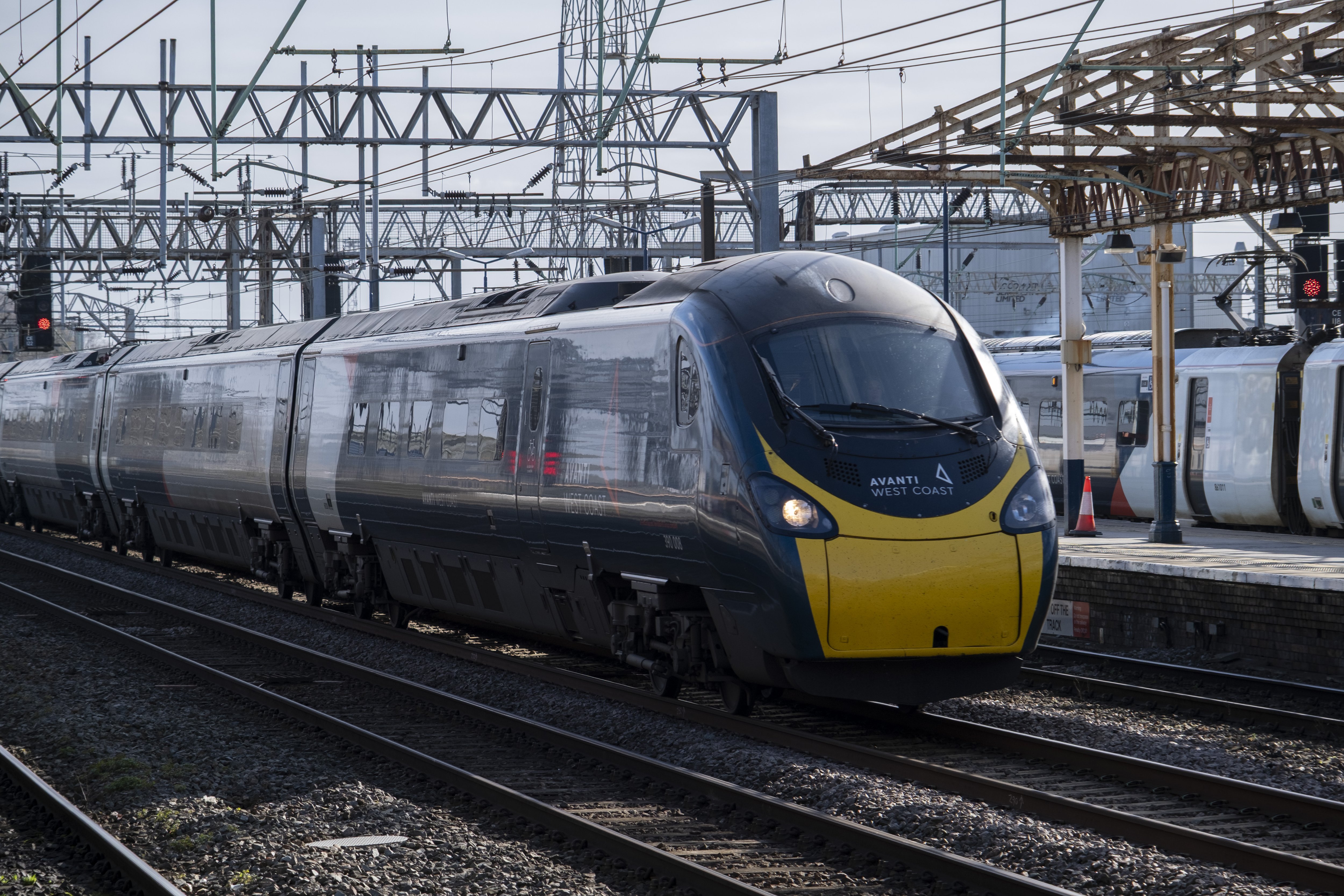
Senior railway insiders have accused Labour ministers of preventing train operators from purchasing diesel at lower prices ahead of the conflict with Iran.According to multiple sources within the industry, the Department for Transport refused to allow rail companies to hedge their fuel costs, reportedly viewing such financial arrangements as gambling with taxpayers' money.A DfT spokesman dismissed these allegations as misleading, adding the department had not received any formal request from operators to hedge fuel over the past two years.Should the claims prove accurate, passengers could face increased fares next year or reduced services as greater portions of the rail network transition to public ownership. TRENDING Stories Videos Your Say The accusations emerge following revelations that state-owned Trans-Pennine Express faces fuel costs rising by as much as 75 per cent compared to last year's £20million bill.The operators allegedly barred from hedging their fuel purchases are believed to include Thameslink, Avanti West Coast, Great Western Railway and Trans-Pennine Express, with the latter three either currently or formerly under First Group ownership.Fuel prices surged dramatically following Donald Trump's military action against Iran at the end of February.Between February and April, the wholesale cost of UK red diesel climbed by nearly two-thirds, reaching 117.56p per litre.This price spike has left TPE particularly exposed, with the state-owned operator now confronting substantially higher operating costs that could strain its finances.The situation highlights the vulnerability of rail companies that were unable to lock in cheaper fuel prices before geopolitical events sent energy markets into turmoil.One senior rail industry figure, whose company transports tens of millions of passengers annually, said: When DfT took on the financial cost risk from the Covid era onwards, they told us not to hedge. We've challenged that subsequently and always been told no as it's government policy not to hedge fuel.LATEST DEVELOPMENTS:RAF could be forced to wait until 2040 for £12bn Typhoon fighter jet replacementKeir Starmer set to 'water down' benefits checks amid a record backlog of mental health casesAndy Burnham to spend more than £700,000 helping migrants claim benefits in ManchesterAnother source speaking anonymously to The Telegraph suggested Apparently it’s a Treasury direction... the risk is that if the oil price falls, the hedge funds make money at the expense of the taxpayer.A third insider, whose employer operates trains under government contract, said: When we applied to hedge the response was 'no', and the rationale was 'HM Government doesn't gamble'.This insider added: We struggled to get very uncommercial civil servants to understand that hedging is commercially rational and is not gambling with taxpayers' money.Previously, parent companies such as First Group and Arriva effectively bulk-purchased diesel for both their train and bus operations.Regarding TPE's escalating fuel costs, one insider remarked: I don't know [managing director] Chris [Jackson] well, but I do know him and he's a clever, commercial guy. I simply don't believe he didn't ask permission to hedge on their large diesel fleet.A DfT source maintained that We have a pretty fearsome set of questions for train companies entering the public sector, he added. ‘What are you doing about fuel hedging?’ isn’t high up on that list of due diligence. I think we’re reasonably sanguine about this.Rail historian Christian Wolmar outlined the limited options available: Either you raise the ticket prices or cut back on the number of services to save the cost of running them. But cutting trains tends to put people off and lead to falling ticket sales over time.Our Standards: The GB News Editorial Charter
Narrative Intelligence Brief
This article was published by GB News, a source frequently categorized with a lean right bias based in United States of America. Our narrative intelligence engine continuously monitors coverage from this outlet to track framing, bias, and rhetorical patterns. Our initial algorithmic scan of this specific piece did not flag high-confidence rhetorical techniques, suggesting a generally straightforward reporting style or neutral framing. By understanding the editorial perspective of GB News, readers can better contextualize the information presented and compare it across our broader media matrix to find the real narrative.
Explore related topics: Stay informed with Real Narrative News as we track unfolding stories. Dive deeper into our coverage of pivotal topics including champions league, قلعة الشقيف, ligue champions, جنوب لبنان, législatives communales, league final, victoire psg, beaufort castle, southern lebanon, and iran war. Our intelligence streams continuously monitor these keywords to bring you unbiased analysis and real-time updates on topics like "Labour 'stopped train companies from buying cheap fuel in advance of Iran war'".
More from GB News
May 31, 2026
Stansted Airport launches investigation after staff shouted 'free Palestine' and racial slurs at Israeli passengers
May 31, 2026
Police launch urgent search for boy, 11, who went missing after entering Yorkshire river
May 31, 2026
Britain fears Ireland becoming 'back door' for Russian spies due to generous visa programme
May 31, 2026
'30?!' Camilla Tominey astounded as Pat McFadden vows to increase face-to-face benefits checks following sheer cliff drop off
May 31, 2026
'30?!' Camilla Tominey astounded as Pat McFadden vows to increase face-to-face benefits checks to '30 per cent'
Analysis Methodology
This narrative analysis was generated using the CoDataLab Global Intelligence Engine. Our proprietary AI scans thousands of cross-border sources to identify sentiment patterns, framing techniques, and potential media bias. While AI provides the data-driven foundation, our objective is to empower readers with additional context beyond the standard headline.The content displayed above is a structured summary designed for rapid information processing. For the full original report, please visit the source outlet.More Coverage
Discussion