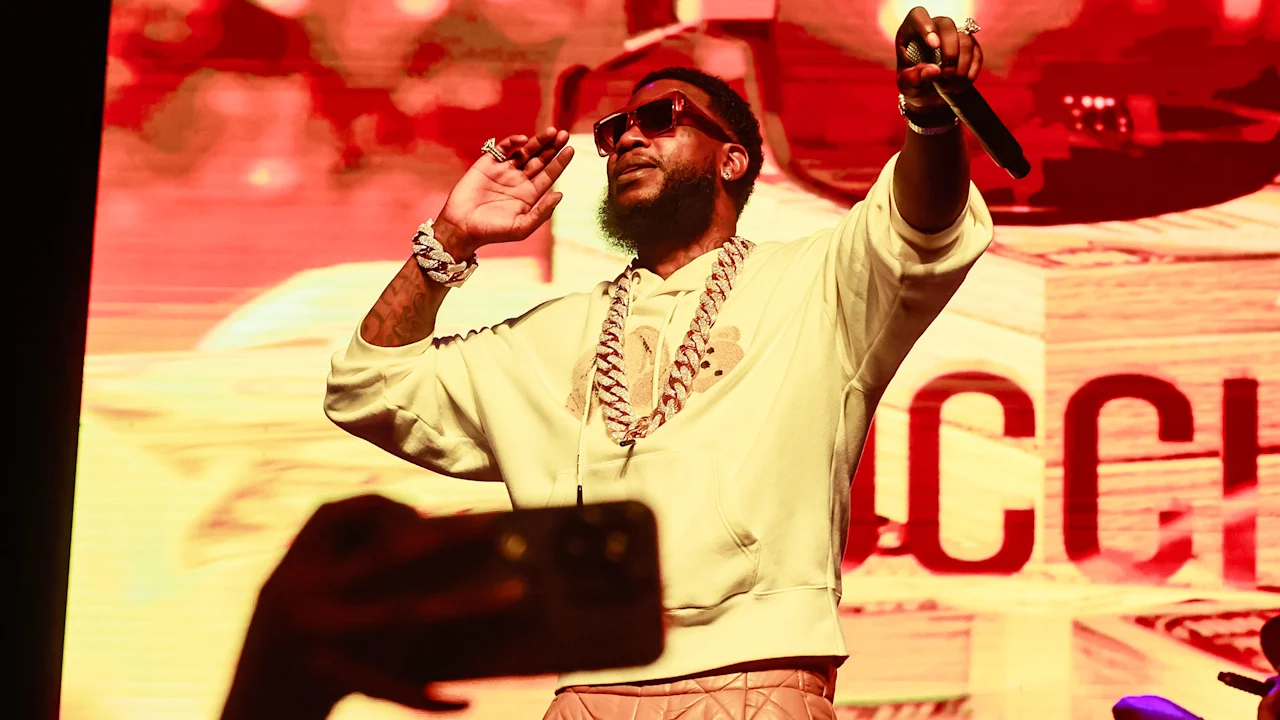
Gucci Mane was allegedly kidnapped by Pooh Shiesty over a music label dispute. What happens to the recording contract now?
April 3, 2026
Fast Company
Earlier this year, rapper and recording executive Gucci Mane was reportedly held at gunpoint and robbed at a music studio in Dallas. Now, a motive for the crime (and the alleged culprits) has been revealed: A rapper signed to Gucci Mane’s label wanted out of his contract. Rapper Pooh Shiesty, whose real name is Lontrell Williams Jr., has been signed to Gucci Mane’s record label 1017 Records since 2020.
According to a criminal affidavit written by FBI agent Brittany Garcia, Williams was unhappy with his record deal and invited Gucci Mane, whose legal name is Radric Davis, to a meeting to discuss the terms of his contract. The not-so-perfect crime According to the affidavit, Williams arrived at the meeting location, a recording studio in Dallas, with eight accomplices, including his father, Lontrell Williams Sr., and fellow rapper Rodney Wright Jr., aka Big30. There, he presented Davis with paperwork that would release him from his contract. When Davis refused to sign it, Williams produced “a black AK-style pistol” from his bag and pointed it at Davis, demanding that he sign the paperwork. Davis did so, while Wright filmed him with a cellphone, per the affidavit. Once the paperwork was signed, Williams took Davis’s wedding ring, watch, earrings, and cash. Two of Davis’s associates were reportedly also held at gunpoint and robbed by Williams’s accomplices, with one individual, identified in the affidavit as “M.M.,” being “choked from behind to the point of nearly losing consciousness.” The affidavit claims Wright then blocked the door to the studio lobby, preventing Davis and the other victims from leaving. They were then forced to leave the building through a side entrance and escorted to their vehicle. Williams and the eight other suspects are now facing federal charges in relation to kidnapping and robbery at gunpoint. They face life in prison if convicted. The future for Pooh Shiesty’s contract with Gucci Mane’s label Williams’s scheme to get out of his recording contract apparently didn’t go according to plan. Along with the victims’ reports, security camera footage and tracking data from an ankle monitor Williams was wearing for a previous conviction during the alleged January 10 incident helped lead to his arrest. But whether or not Williams lands in prison, what will happen to his recording contract? Under contract law, documents signed under duress, including under threat of violence, are generally rendered invalid. That means the paperwork Williams forced Davis to sign likely wouldn’t hold up to legal scrutiny, keeping Williams signed to 1017 Records for the time being. Whether Davis would still want Williams working under his label is another story. Plenty of artists have found success during and after incarceration, with Davis himself having served time in prison from 2014 to 2016 after being charged with possession of a firearm by a convicted felon (for a previous incident in 2005). Other rappers have seen massive commercial success after facing legal trouble, like AAP Rocky: Don’t Be Dumb, his first album since being convicted of assault in Sweden and facing trial on potential assault charges in Los Angeles, topped the Billboard 200 chart and saw the largest streaming debut of 2026 so far, with 35.4 million first-day streams on Spotify. In Williams’s case, whether the increased media attention from his kidnapping and robbery charges could drive listeners to stream his music remains to be seen. Given that Williams is still under Davis’s label, any extra earnings will go, in part, to him. As one social media user put it: Williams may have been better off recruiting an entertainment lawyer to help him get out of his record deal. But instead, he’s learning the hard way that contract law and threats of violence at gunpoint generally don’t mix.
Fast Company
Coverage and analysis from United States of America. All insights are generated by our AI narrative analysis engine.