
0
Exclusive: Kalshi announces steps to keep kids off prediction market
May 4, 2026
Posted 1 hour ago by
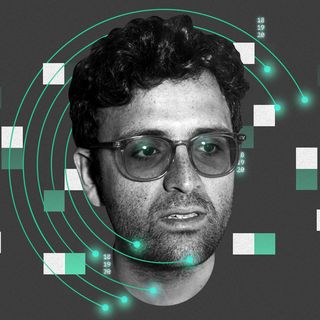
Kalshi is putting in place new tools to prevent minors from trading on the prediction market, but is resisting calls to block ages 18-20.Why it matters: Prediction markets are surging in popularity as a way to risk money on sports, politics and news — but they're also facing mounting political scrutiny over their contribution to America's gambling culture.Driving the news: Kalshi CEO Tarek Mansour tells Axios that while kids are already banned from trading on the platform, the company is taking several additional steps to prevent them from doing so, including:Requiring all users to use facial recognition technology when opening the app, making it more difficult for kids to use family accounts to log in.Requesting selfies of certain users deemed to be at higher risk of problematic trading.Promoting two-factor authentication.Installing a new tool that allows users to see if someone else has logged in using their information.What they're saying: We're essentially proactively doing that before we're required to do them because we think a lot of these measures are the right thing to do, Mansour says.
The goal for Kalshi here is we want to set a new state-of-the-art benchmark when it comes to customer protection.Threat level: The moves come amid growing concerns about young people — especially boys and young men — engaging in harmful behavior on sportsbooks and prediction markets.36 of 11-to-17-year-old boys say they gambled in the last year, including 49 of 17-year-old boys, according to a July study by Common Sense Media.The harms of sports gambling are disproportionately concentrated among younger men, and so the prediction markets are clearly the new frontier in this conversation about sports gambling, Jonathan Cohen, policy lead at the American Institute for Boys and Men, said in a recent interview.Data: Common Sense Media survey of 1,017 boys age 11-17; Chart: Nathan Bomey/AxiosThe other side: Mansour has repeatedly argued that prediction market trading should not be treated as gambling, in part because users are engaging in peer-to-peer trades and not betting against the house.But Kalshi and other prediction markets are coming under pressure from lawmakers to implement consumer protection measures.On Thursday, Sen. Kirsten Gillibrand (D-N.Y.) and Sen. Dave McCormick (R-Pa.) introduced the Prediction Market Act of 2026, which would require self-exclusion programs and mandatory age verification.The intrigue: The NBA and the PGA Tour last week called for prediction markets to raise the trading age to 21 to match American sportsbooks and casinos in most states.Like sports betting, trading in sports prediction contracts carries material risks (e.g., of financial loss) that may be particularly acute for younger individuals, NBA executive VP Dan Spillane said in a letter to the Commodity Futures Trading Commission, which claims regulatory jurisdiction over prediction markets.In a world where sports event contracts likely aren't going anywhere in the short term, leagues are asking for things that dovetail with their concerns. A higher minimum age is certainly an interesting and worthwhile proposal, sports gambling analyst Dustin Gouker wrote on his newsletter, The Closing Line.Mansour believes the minimum age of participation should remain 18, arguing that it's no different than equities trading, including particularly risky areas like certain options markets.They should be treated the same, Mansour says.Zoom in: Kalshi is also announcing Monday that it will suggest deposit limits to individual users based on signs of unhealthy trading, in some cases asking for proof of funds.And the company is introducing a new feature called Inner Circle, where users can share their trading activity with friends and family, including their parents.If we see some signals that someone is doing something excessive, like repeated excessive losses and other things, we essentially start recommending deposit limits, Mansour says, but he contended that most of the activity you see is healthy.
Axios
Coverage and analysis from United States of America. All insights are generated by our AI narrative analysis engine.