
0
Electric vehicles set to dominate UK roads within decade as drivers move away from petrol and diesel
May 10, 2026
Posted 2 hours ago by
Electric vehicles are on course to dominate UK roads within the next decade, with new analysis forecasting they will account for more than half of all vehicles by 2034. Research conducted by price comparison website Quotezone.co.uk, drawing on DVLA statistics and market forecasts, indicated that EVs will represent 50.5 per cent of the total UK vehicle fleet in just under 10 years.This would mark a historic tipping point, with battery and hybrid vehicles surpassing the combined total of petrol and diesel cars for the first time.
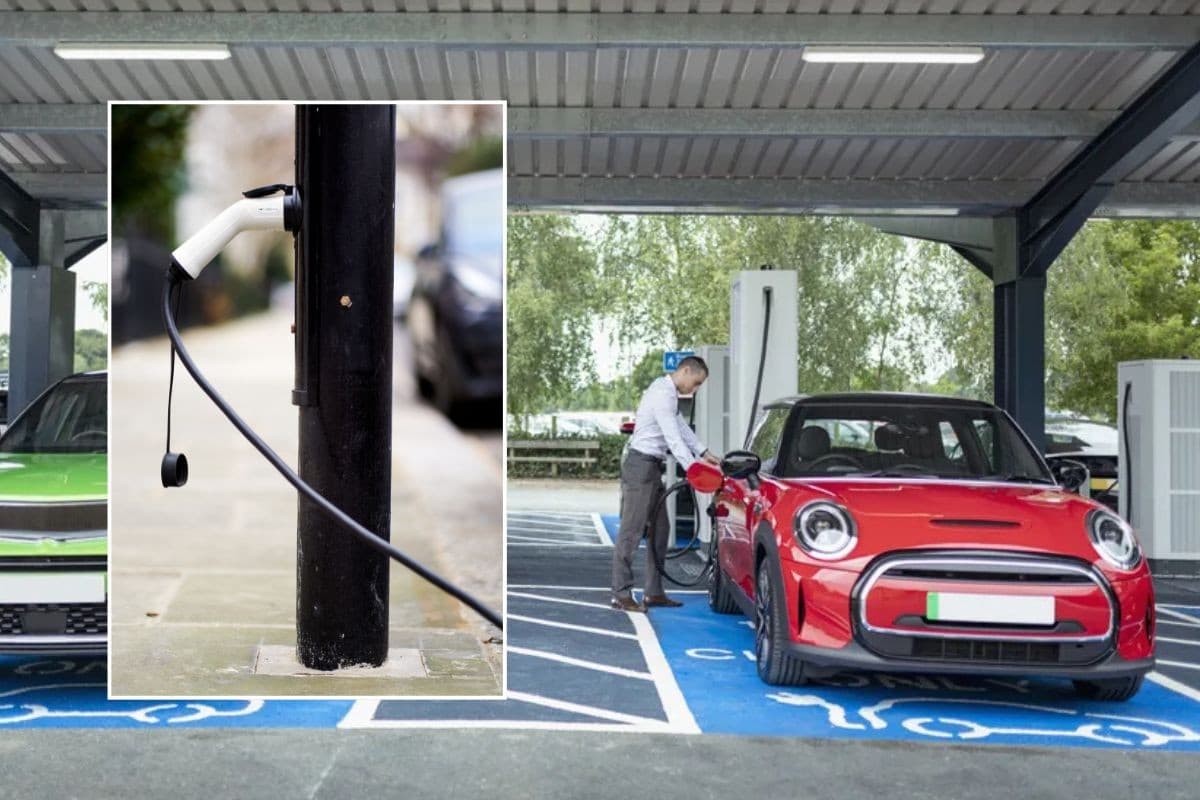
The projections suggested traditional combustion engine vehicles will fall to 49.5 per cent of the fleet by that date, as the transition to electric motoring accelerates across the country. TRENDING Stories Videos Your Say The transformation has been remarkably swift, considering a decade ago, electrified vehicles represented less than one per cent of cars on British roads, a figure that has now climbed to 12.9 per cent in 2025.Current DVLA figures showed petrol remained the dominant fuel type, powering 55 per cent of all cars, while diesel accounted for nearly 30 per cent of the fleet. Fully electric vehicles currently make up just 4.8 per cent of the total. However, the trajectory points firmly upward. By 2031, electrified vehicles are expected to reach 37 per cent of all cars, edging ahead of petrol at 36.9 per cent, with diesel declining to 26.2 per cent. New EV registrations already overtook petrol sales earlier this year, with electric vehicles capturing 48.4 per cent of the market with 978,676 new registrations.The Government is taking steps to address one of the biggest barriers to EV adoption, home charging for those without off-street parking.Proposed regulatory changes would remove the need for planning permission when installing pavement-integrated charging solutions, opening up electric vehicle ownership to millions of homeowners who have previously been unable to charge at home. Current rules prohibiting cables from crossing public pavements have effectively locked out a significant portion of potential EV buyers who lack driveways. Under the new proposals, pavement charging systems could be fitted without navigating the planning process, offering a practical solution for drivers in terraced houses and urban areas where private parking is scarce.LATEST DEVELOPMENTSNew overnight parking ban unveiled at popular coastal site as motorists get blocked for six monthsNew driving rules could see new cameras installed in every car from July targeting key safety concernsRachel Reeves slammed as EV drivers threaten to return to petrol and diesel cars amid new pay-per-mile taxesThe financial support package also extends beyond infrastructure changes. A grant covering EV home charging installation has been increased to £500, with eligibility extended to flat owners, tenants and landlords.This forms part of a broader £2billion Government investment aimed at expanding the charging network and encouraging the uptake of zero emission vehicles. The UK's Zero Emission Vehicle mandate established progressively ambitious targets for new petrol and diesel car sales, requiring 33 per cent of vehicles sold this year to be zero emission, rising to 100 per cent by 2030. Crucially, the mandate specifies that all new vehicles must be fully electric by the deadline, meaning either battery-powered or hydrogen-operated cars, with hybrids not qualifying towards the target.Greg Wilson, car insurance expert and CEO at Quotezone.co.uk, said: It's positive to see the shift towards EV ownership, with figures showing clear adoption from UK drivers as electric car sales start to take the lead. He noted that concerns about charging infrastructure have been a significant deterrent, with a Quotezone survey revealing that 82 per cent of motorists believed limited charging point availability would restrict their lifestyle and discourage them from switching to electric. Allowing pavement charging could be a game-changer for millions of drivers without driveways, and a positive step towards a zero emission fleet, Mr Wilson added. However, he cautioned that further progress remains necessary on vehicle and energy costs, charging capacity and range limitations to ensure Britain meets its 2030 electric sales deadline. Our Standards: The GB News Editorial Charter
GB News
Coverage and analysis from United States of America. All insights are generated by our AI narrative analysis engine.