
0
Blood sugar spikes after meals tied to 69% higher Alzheimer's risk - unexpected foods may cause them
May 3, 2026
Posted 2 hours ago by
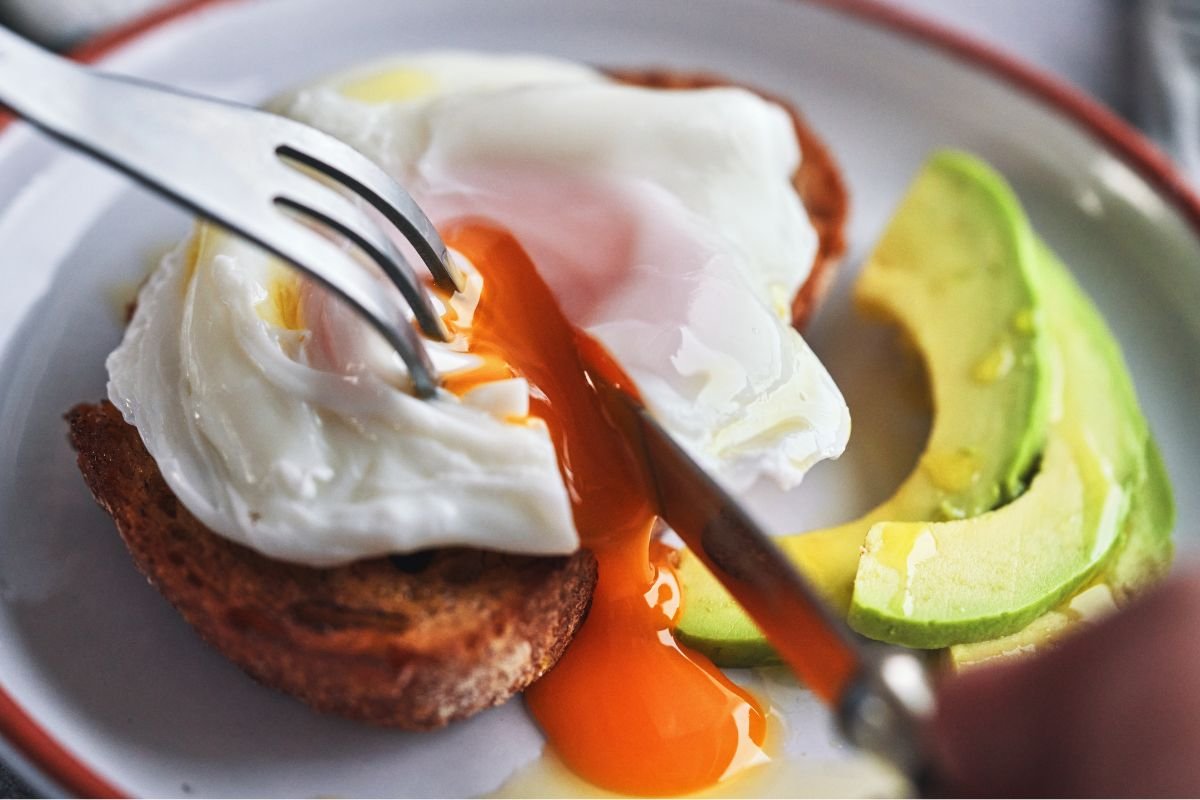
Most people avoiding a blood sugar spike know to steer clear of refined carbohydrates and sugar. But if this is exactly what they're craving, intelligent food pairings can help.According to surgeon Dr James J. Chao, combining lower glycaemic index foods with those that spike blood sugar more rapidly helps moderate the body's response.Pairing eggs with toast, hummus with roasted carrots or adding avocado to a rice dish are all examples of this, Dr Chao told GB News.He also noted that beyond strategic combinations, the pace and timing of consumption also matter considerably.
TRENDING Stories Videos Your Say Eating slowly, chewing your food well and spreading out your meals can also help, he explained, noting that consistent meal planning remains essential for long-term success.Many people fail to recognise that savoury dishes can trigger substantial glucose spikes despite containing no obvious sweetness, Dr Chao warned.White rice, mashed potatoes, instant ramen noodles, breaded and fried chicken tenders, and Saltine crackers are a few examples, he explained. They're not sweet, but they contain refined or simple carbs that can quickly turn into glucose in the body.Ultra-processed snacks and condiments also carry hidden glycaemic loads through combinations of starch, added sugars and modified starches.Condensed soups and certain pizza bases warrant particular attention. For those seeking practical alternatives, Dr Chao offered straightforward substitutions that maintain satisfaction while protecting metabolic health.Switching from white rice to lentils, cauliflower rice, or steel-cut oats can give you similar consistency with a much smaller effect on your blood sugar, he advised.LATEST DEVELOPMENTS:'I'm a trainer and here's how to make walking the best exercise for weight loss'Simple seated exercise helps control blood sugar levels in just three minutesStatin side effects: Cardiologist addresses diabetes fears and dementia questionsCooking methodsDr Chao pointed out that while protein is brilliant for blood sugar control, how you cook it matters enormously.But this doesn't mean flavour needs to be sacrificed in pursuit of better glucose control.Bitter greens, pickled veggies or plain Greek yoghurt-based sauces can add flavour without affecting your blood sugar, Dr Chao noted, adding that many patients ultimately find greater enjoyment in meals that leave them feeling properly satisfied.Breakfast choicesThe morning meal presents particular pitfalls for those monitoring their glucose levels, according to registered dietitian Dawn Menning. She warned that consuming breakfast in liquid form represents a widespread error with significant consequences.A common breakfast mistake is drinking your breakfast. This could be starting your day off with fruit juice, fruit smoothies, or sweet coffee drinks, Ms Menning told GB News.These drinks can deliver a large amount of sugar without fibre, protein, or fat, which can cause a spike in blood sugar levels.The dietitian explained that fibre, protein and fat digest more slowly, helping to moderate glucose responses and prevent the subsequent fatigue and hunger that often follows rapid spikes.The growing concern over glucose fluctuations comes amid compelling new evidence linking blood sugar control to cognitive health.Research published earlier this year by University of Liverpool scientists analysed data from more than 350,000 UK residents aged between 40 and 69.Their findings revealed that individuals experiencing greater blood sugar spikes within two hours of eating faced a 69 per cent higher likelihood of developing Alzheimer's disease compared to those maintaining steadier glucose levels.Public awareness has risen markedly, with online searches for blood sugar information increasing by over 30 per cent since 2020, driven partly by the proliferation of continuous glucose monitoring devices. Our Standards: The GB News Editorial Charter
GB News
Coverage and analysis from United States of America. All insights are generated by our AI narrative analysis engine.