
0
Bank of England holds interest rates as inflation risks skyrocketing amid Iran crisis
April 30, 2026
Posted 1 hour ago by
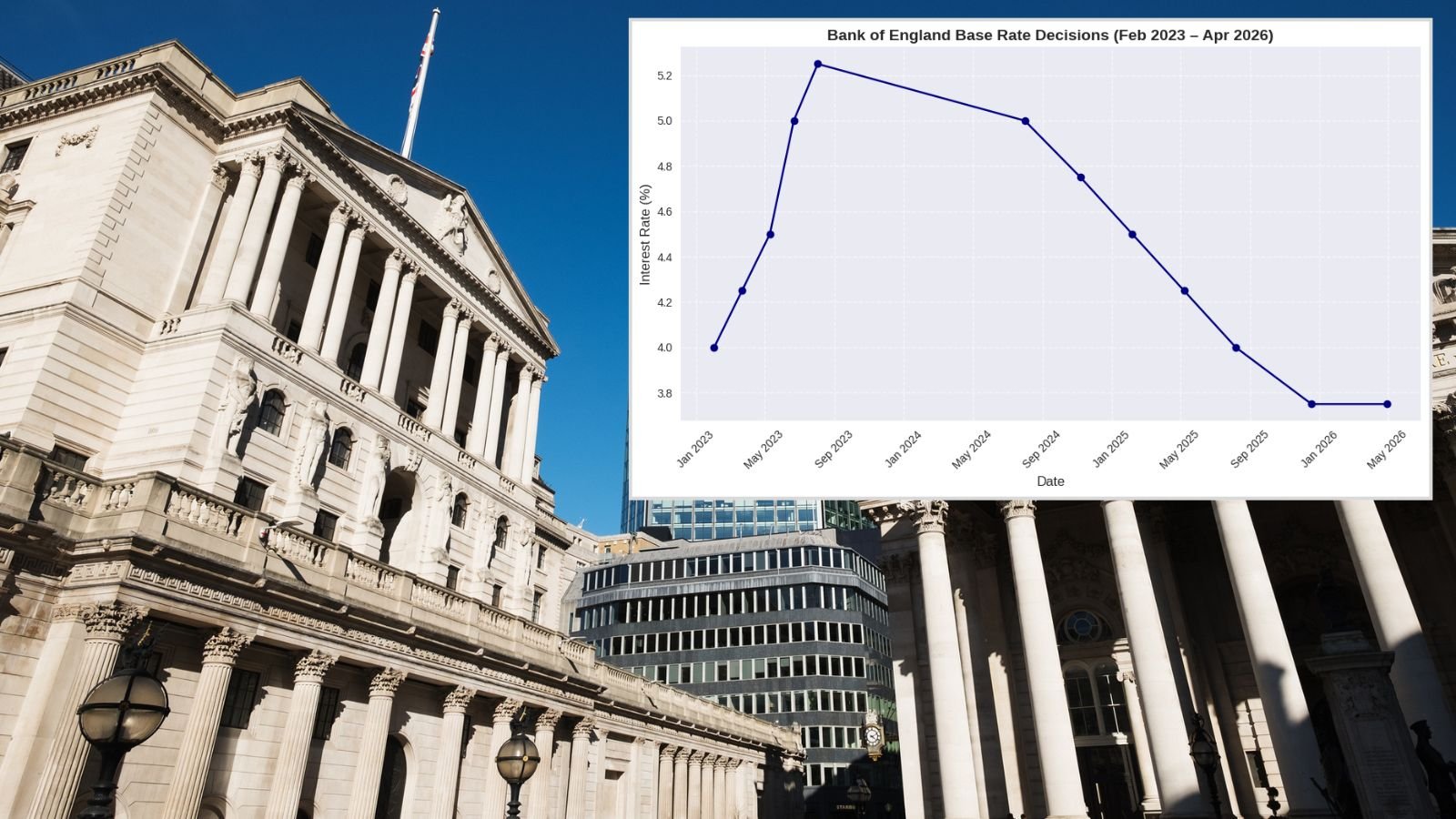
The Bank of England has confirmed its decision to hold interest rates in light of the ongoing economic uncertainty, driven by the war in the Middle East.The bank also warned that UK inflation could hit 6.2 per cent if the Middle East energy shock worsens.The Bank warned that several potential paths for the economy remain open, with a worst‑case scenario involving further rate rises and a heightened risk of recession.Eight members of the nine‑strong Monetary Policy Committee voted to keep rates unchanged, while one pushed for an increase to four per cent.Andrew Bailey, the Bank’s governor, said borrowing costs were at “a reasonable place given the situation of the economy and the unpredictability of events in the Middle East”, but stressed that policymakers were watching the war’s impact on the UK “very closely”.Chancellor Rachel Reeves said the Iran conflict is “one we have to respond to” after the Bank of England left interest rates unchanged, citing rising inflation linked to the war.Responding to the decision, she said: “The war in the Middle East is not our war, but it is one we have to respond to.
Every choice I make will be about keeping costs down for families and businesses, without repeating the mistakes that led to higher inflation and higher interest rates in the past.”She said the UK had entered the crisis “in a stronger position because of the choices this Government took to build economic stability”, adding that ministers were working to “take back our energy security, back British industry and protect households, to build a Britain that is stronger, more resilient, and prepared for the future.”The US‑Israel conflict with Iran and the closure of the Strait of Hormuz have driven oil prices sharply higher, with Brent crude hitting about 126 a barrel on Thursday.The surge has already fed through into UK inflation, which rose to 3.3 per cent in March — a three‑month high — as fuel costs accelerated.The latest vote has implications for Britons with variable mortgage rates, savers, and for the wider outlook of the UK economy.Economists had widely expected the hold, warning it was too soon for policymakers to raise rates again given uncertainty over the economic impact of the Iran conflict.Before the war erupted on February 28, the Bank had been forecast to deliver its first cut of the year today, reducing the rate to 3.5 per cent.The base rate guides what banks and lenders charge or pay, meaning the decision is broadly positive for savers, whose returns are unlikely to fall and may even edge higher.For borrowers, the picture is less favourable, as interest rates on mortgages, loans and credit cards could remain elevated or rise further.Susannah Streeter, chief investment strategist at Wealth Club, said: “Mounting price pressures are the backdrop to today’s Bank of England meeting. Scorching energy prices costs are causing financial for companies and consumers.The ongoing standoff between Iran and the US is also set to keep freight costs highly elevated, looks set to push packaging costs higher, given plastics are made from petrochemicals, and could have a highly damaging effect on global food production. Our Standards: The GB News Editorial Charter
GB News
Coverage and analysis from United States of America. All insights are generated by our AI narrative analysis engine.