
Anatomy Of A Gaucho
April 8, 2026
Defector
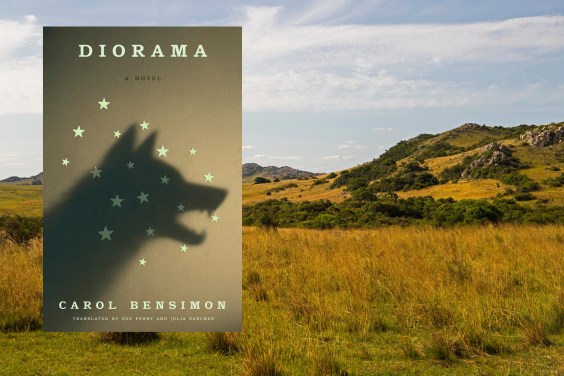
Where its harsh, cold plains stretch toward the Uruguay River, the southernmost Brazilian state of Rio Grande do Sul is blanketed by the pampas, expansive fields at odds with the sandy beaches and verdant mountains typically associated with Brazil. In fact, Rio Grande do Sul is a bit like the American West: built on settler mythology and Indigenous blood, conquered by men with a thirst for profit, and boasting of that vast kind of nature, big skies and endless plains.
Also, there are cowboys. A South American cowboy is called a gaucho. If, in North America, cowboys come clad in tall boots and tall hats, on the pampas their hats and boots are stouter, they wear neck scarves, and drink mate (a beverage enjoyed nationally in Argentina and Uruguay, but regionally in Brazil; we call it chimarrão). The gaucho is, finally, a virile man—a descendant of those combative settlers, a rugged horserider. Sandra Jatahy Pesavento, one of the preeminent historians of the state, describes the gaucho ideal as “the brave horseman of the undulating plains, the valiant centaur of the pampas.” The Brazilian South is a largely conservative region, and strikingly white compared to the rest of the country, due to European and particularly German colonies established in the 19th century. It enjoys a place of prominence in the Brazilian collective imagination, perhaps nowhere more prominent than in the south’s own estimation—it has bred separationist, racist and homophobic ideas, and a psyche addled by European envy. Past presidents from Rio Grande do Sul include João Goulart, the last democratically elected president before the establishment of the military dictatorship in 1964, and dictators—some, like Getúlio Vargas, more popular than others, like Humberto de Alencar Castelo Branco. Gisele Bündchen is from there, too.
Defector
Coverage and analysis from United States of America. All insights are generated by our AI narrative analysis engine.